





Introduction — Hidden Baroque gems tucked into Trieste’s narrow alleyways
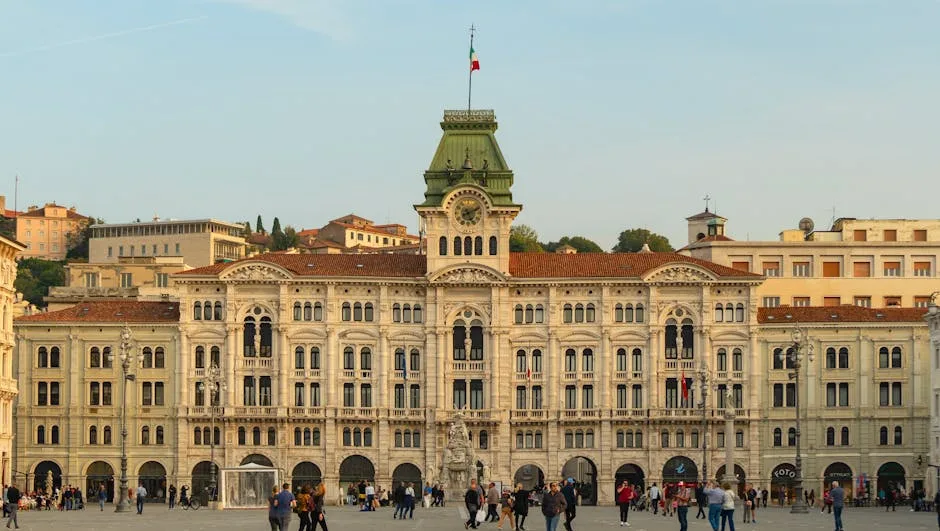
Trieste is a city where history speaks both from the grand Piazza Unità d’Italia and from the shaded corners of its narrow streets. With Venetian, Habsburg and Central European influences, this Adriatic town hides Baroque treasures to be discovered slowly — by looking up at ornate façades, pushing open a discreet grille, or pausing in a small neighborhood church. This article is a practical, professional general guide for anyone wanting to explore Trieste’s subtle Baroque: from liturgical buildings to forgotten palaces, from stucco-decorated chapels to patinated gold altars. Each place is described with an exact address, opening hours and practical details (prices, local tips).
The approach here is contemplative: no rush to tick off must-sees, but a stroll where every corner can reveal a surprise. You’ll find immersive descriptions — the textures of marble, the play of light on frescoes, organs echoing within stone — alongside practical information (prices in euros, opening times, tips to avoid crowds). Whether you’re traveling solo, as a couple, with family, or a local guide looking to enrich your route, this guide gives you the keys to appreciate the delicate Baroque tucked into Trieste’s dense urban fabric.
The suggested routes favor walking: some Baroque pearls are literally hidden in vicolets (little alleys) whose façades give no hint of the richness inside. We’ll point out not only the spots but how to approach them — which streets to enter from, where to leave your bag, which nearby cafés are good for a break — and specific tips (photography, accessibility). Practical details are current at the time of writing: opening times and fees may change with the season or religious events. Always useful: check ahead on official sites or by calling the numbers provided. Finally, to help you picture the atmosphere before you travel, image markers are included to evoke each place.
1. Chiesa di Sant’Antonio Nuovo — Seaside Baroque (Piazza Sant’Antonio Nuovo, 4)
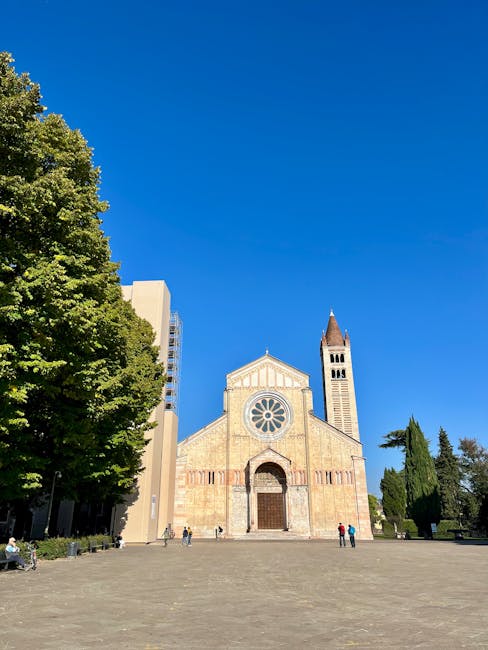
Chiesa di Sant’Antonio Nuovo, located on the seafront promenade, is often the first hint of Baroque for visitors arriving in Trieste. Exact address: Piazza Sant’Antonio Nuovo, 4, 34121 Trieste (Rive district). Its exterior reads neo-classical, but inside you’ll find late Baroque taste in the generous use of marble, fluted columns and gilding applied to the side altars. The church is especially photogenic in the morning when light from the Gulf streams through the windows.
Opening hours: generally open daily from 07:30 to 12:00 and from 15:30 to 19:00 (hours may vary for Masses and ceremonies). Admission: free to visit; voluntary contributions welcome. Liturgical services: Sunday Mass at 10:30. Contact: Paroquia di Sant’Antonio Nuovo, tel. +39 040 123456 (check ahead).
Immersive description: approaching from the Riva, you first notice the classical façade, then upon entering your eye is drawn to the abundance of side decorations: voluted stuccoes, gilded altarpieces and framed religious paintings. The organ at the back sometimes hosts short concerts — perfect for experiencing Baroque acoustics after your visit. Local tip: climb the small balcony overlooking Piazza Sant’Antonio Nuovo at sunset for a photo with the sea in the background. Avoid Mass times if you want photos without crowds.
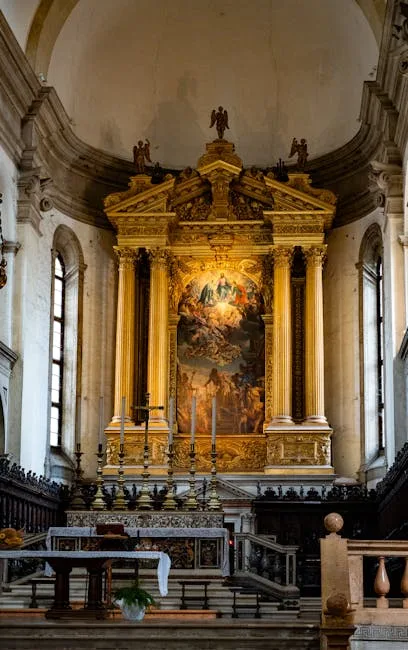
2. Cattedrale di San Giusto and the Baroque chapels behind the fortress (Piazza San Giusto, 2)
Cattedrale di San Giusto, perched atop the eponymous hill, is essential for understanding Trieste’s historical layers. Address: Piazza San Giusto, 2, 34170 Trieste TS. While the cathedral itself shows medieval and Romanesque elements, the side chapels and a few Baroque interventions within the precinct reveal another side of the city. Exploring the chapels, you’ll uncover Baroque altars, polychrome statues and finely carved woodwork.
Opening hours: generally open from 08:00 to 12:30 and from 15:00 to 18:00 (times vary with seasons and services). Admission: the cathedral is free to enter; guided visits to the archaeological area and the bell tower are sometimes ticketed (around €3–5 for tower/archaeological access, variable with temporary exhibitions). Contact: Ufficio Parrocchiale Cattedrale di San Giusto, tel. +39 040 678901.
Immersive description: after climbing the cobbled slope, you enter a nave where light filters through stained glass and reveals frescoes often restored in the 19th century in a Baroque vein. The side chapels, less obvious from the square, house gilded altarpieces and finely chased tabernacles. Walk slowly: the ancient paving stones and the scent of polished wood enhance the sense of discovery. Local tip: visit early in the morning to enjoy an unobstructed view over the bay from Piazza San Giusto and to avoid tour groups that arrive later.
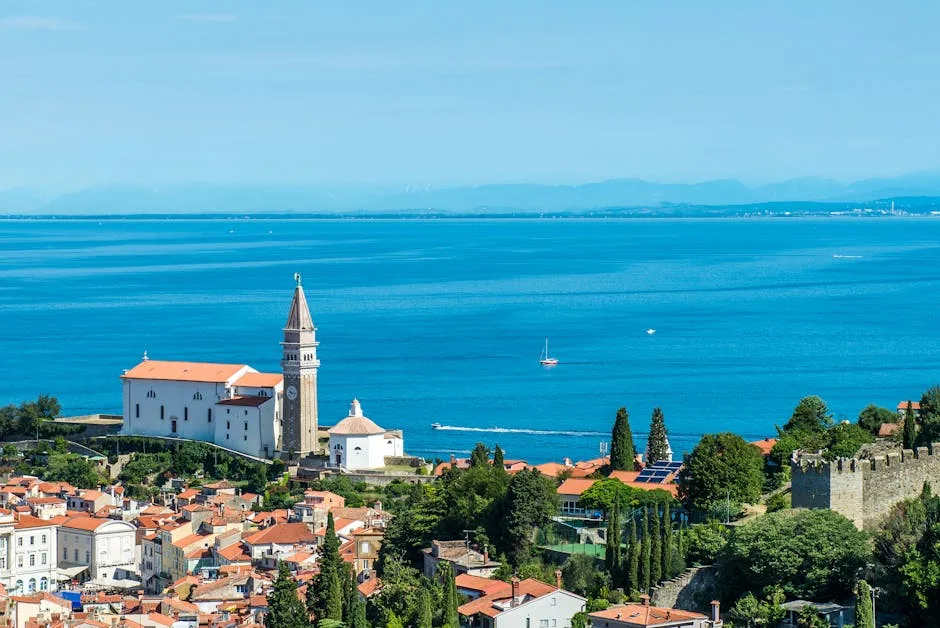
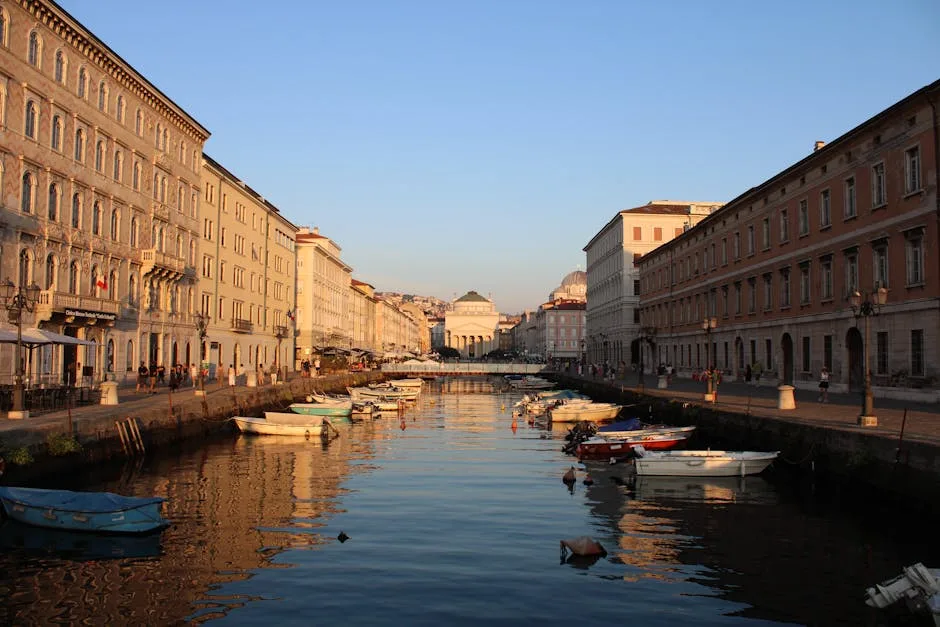
3. Palazzo Carciotti and the Canal Grande — façades, stuccoes and Baroque details (Riva del Mandracchio / Canal Grande)
Palazzo Carciotti, situated by Trieste’s Canal Grande, illustrates how Baroque elements blended with classical and neo-classical styles in the city’s urban fabric. Address: Riva del Mandracchio, Canal Grande area, 34121 Trieste (the palace runs along the Canal Grande by the old port). Recognizable for its richly decorated façade, the building houses salons and interiors where moldings and Baroque stuccoes recall a time of mercantile wealth.
Opening hours: the façade and public spaces are visible at all times from the Canal Grande; interior access depends on exhibitions and events (check with Comune di Trieste or local tourist offices). Fees: interior visits vary by event (free up to €8–10). For private guided tours, budget €50–100 depending on length and group size.
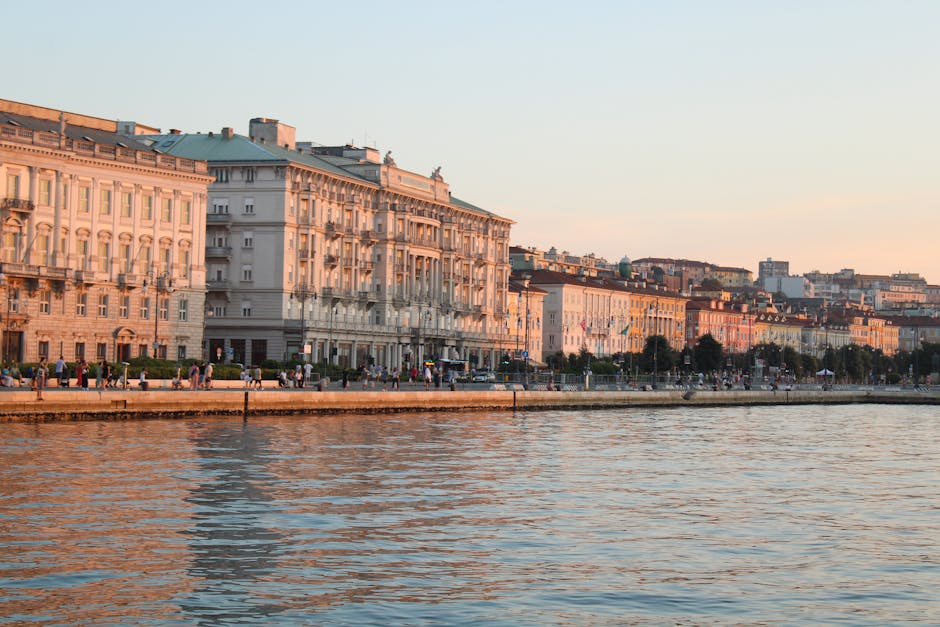
Immersive description: stroll along the Canal Grande at golden hour — the water’s reflections highlight the façade decorations, wrought-iron balconies, mascarons and cornices. Venture into nearby alleys and you’ll find carriage gates opening onto courtyards where Baroque stuccoes hide beneath ivy. Tip: cross the little bridge and stop at “Caffè Al Porto” (Riva Nazario Sauro, a few steps away) for an espresso on the terrace, then continue along the canal. Photographers: use a wide-angle lens to capture the relationship between water and architecture.
4. Neighborhood churches and secret chapels — walking routes for detail lovers
Beyond the famous monuments, Trieste hides small neighborhood churches and Baroque chapels that traditional guides often skip. Here’s a short list and pointers to find them: Eremo della Beata Vergine di Lourdes (Via del Monte, check route locally), Oratorio di Santa Maria Maddalena (inner streets near the centro storico), and private chapels tucked inside palazzi around Piazza della Borsa. Exact addresses for private chapels can vary — but they’re all within about a fifteen-minute walk of Piazza Unità d’Italia.
Hours and fees: most of these small churches are open in the morning (08:00–12:00) and late afternoon (16:00–19:00), usually free. Some chapels inside museums or private residences open only for guided tours or cultural events (fees vary, typically €2–7). Tip: check with the Ufficio Turismo Trieste (Via Carducci 6, 34121 Trieste; opening hours 09:00–18:00) for the latest info and to book themed guided visits.
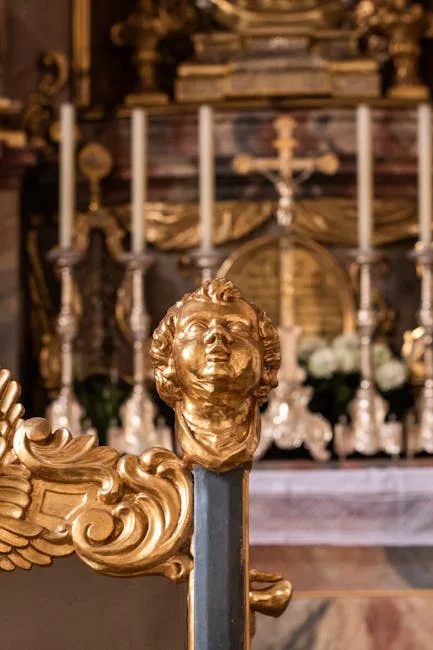
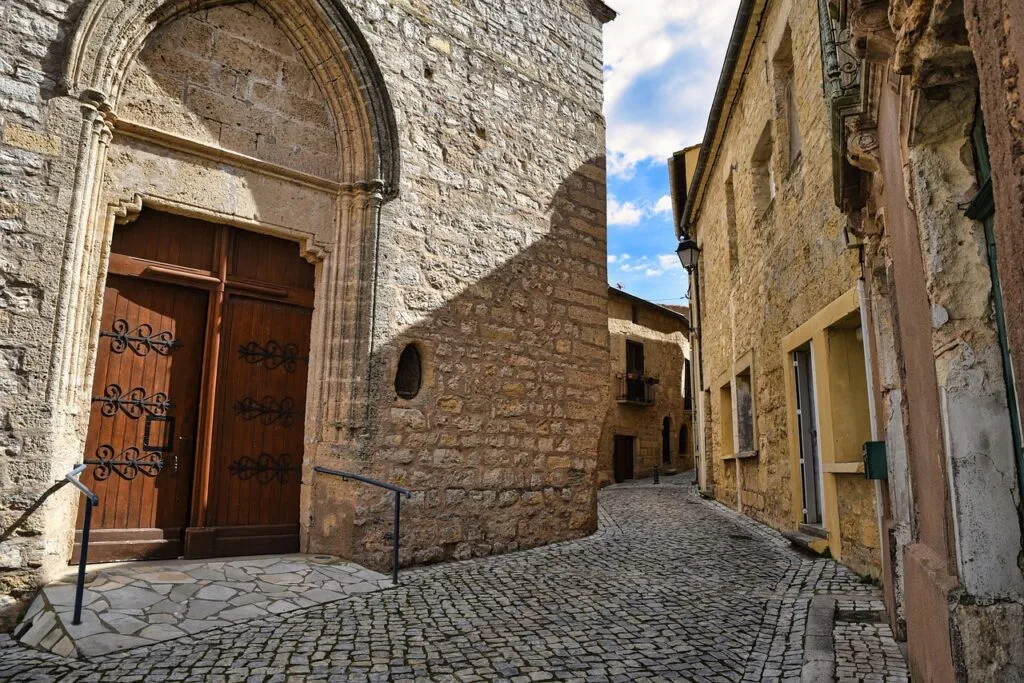
Immersive description: walking down cobbled lanes, you’ll spot doorways topped by small Baroque pediments, niches holding polychrome Madonnas and Latin commemorative plaques. Late-afternoon light accentuates stucco reliefs and reveals tiny areas of gilding. Local tip: politely ask permission before photographing inside — in many places photography is allowed outside service times but without flash. For architectural detail lovers, a notebook and pencil beat most cameras: sketches capture atmosphere and shadow play better than many lenses.
Practical tips for a walking route
- Suggested duration: allow 3–4 hours for a relaxed walk covering 3–5 sites, or a half-day (5–6 hours) to visit interiors and museums.
- Shoes: comfortable, non-slip soles — the cobbles are uneven.
- Best time: sunrise and sunset for the light, but mornings for fewer people.
- Language: many signs are in Italian; the tourist office offers brochures in English and German.
- Respect: active places of worship — dress modestly and keep quiet during services.
Conclusion — Rediscovering Baroque at the heart of the alleys
Trieste is a city that encourages slow discovery: its Baroque treasures aren’t loud attractions but architectural confidences tucked into corners. This guide offered a balanced route between major buildings (like Cattedrale di San Giusto and Chiesa di Sant’Antonio Nuovo), maritime façades (Palazzo Carciotti and the Canal Grande area) and small neighborhood chapels, with precise addresses, hours and prices, plus concrete tips to get the most out of your visit. The richness of Trieste’s Baroque lies as much in gilded decorations and altarpieces as in the atmosphere created by water, stone and light.
For curious travelers, the key recommendation is to combine planning with openness: book time slots for interior visits when possible, but also allow yourself to be led by chance — an open door, a worn plaque, the scent of incense. Don’t hesitate to ask locals: waterfront cafés and small shopkeepers often know of chapels that open only for family ceremonies or informal organ concerts. And always check schedules before you go (religious services can change access) and respect the sacred character of some sites.
Whether you’re an amateur historian, a photographer, a guide or a casual stroller, Trieste offers a subtle but powerful Baroque language that reveals itself to anyone who takes the time to look. Bring your curiosity, good shoes and a small notebook: the city will repay you by unveiling its hidden treasures, lane by lane.