





Introduction — Trieste from above: why see the city from its viewpoints
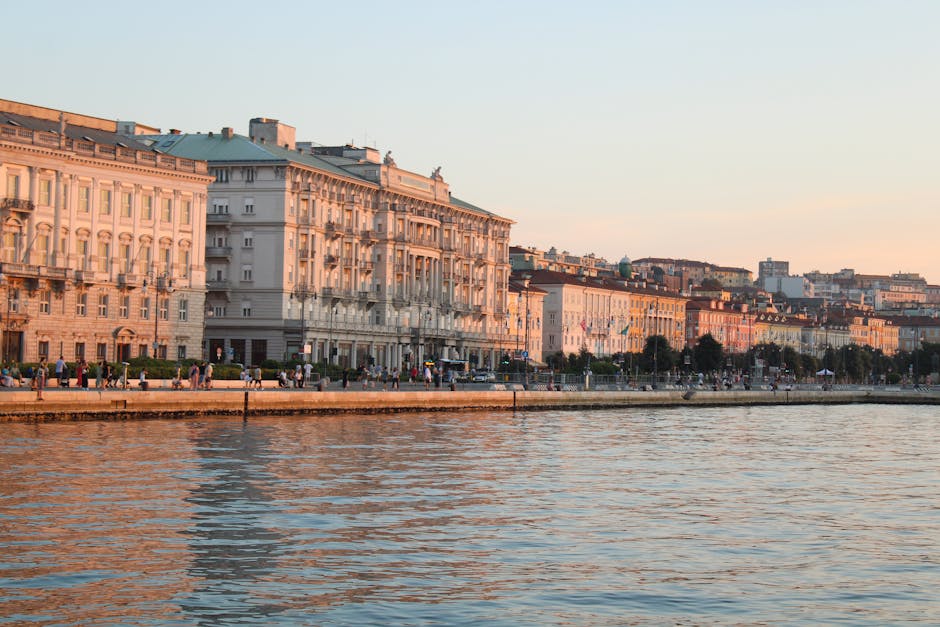
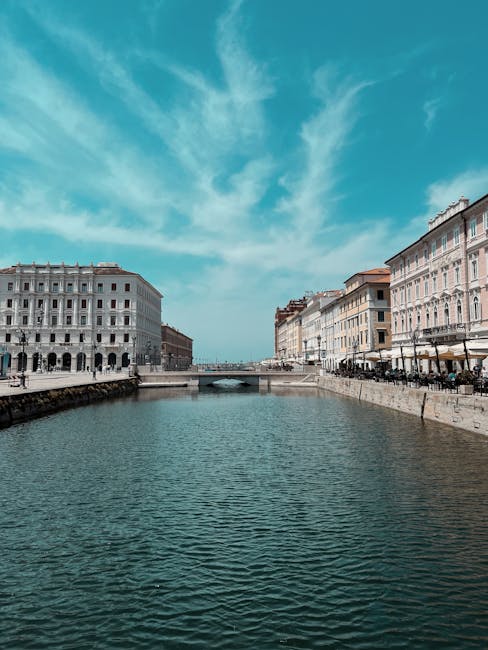
Trieste is a city of contrasts: a cultural crossroads between Mitteleuropa and the Mediterranean, a rugged shoreline that plunges into the Adriatic, and a karst hinterland that opens onto striking panoramas. Seeing Trieste “from above” means visiting a series of urban and natural viewpoints that each offer a different perspective — from the stately terraces of a 19th-century castle to the limestone lookouts of the Carso, plus lighthouses and dominant hills framing the bay. These spots are observation points that help you understand the geography, port history, architecture and Triestini’s intimate relationship with the sea.
This guide is written for the discerning traveler planning viewpoint-focused routes, with practical, precise details: exact addresses, opening hours, prices in euros, arrival tips, and immersive descriptions for photographers or anyone wanting to simply savor the moment. You’ll find suggestions for sunrise walks, lesser-known terraces for sunset views, and options reachable by public transport or on foot.
Trieste is also discovered through layered views: the quays and the grand Piazza Unità d’Italia at sea level, then the cliffs of San Giusto and the wooded hills of the Carso, and the promontory of Castello di Miramare as a natural bridge and key lookout over the bay. Each of these places tells part of Trieste’s identity — imperial, maritime, popular or scientific. The guide focuses on concrete, easy-to-find locations useful for photo itineraries: where to set up a tripod, which hours to favor, which small streets to avoid in high season, and where to find a traditional café to extend the experience.
Finally, every section includes local tips: how to combine several viewpoints in half a day, what gear to bring depending on the season (windproof clothing, hiking shoes for the Carso), and light food recommendations nearby to round out the experience (gelaterias, historic coffee bars, small seafood restaurants). You’ll also find accessibility info and current prices to help plan your budget. Grab your sunglasses, your camera and your curiosity: Trieste from above delivers panoramas that stick with you.
Castello di Miramare and terraces over the Adriatic
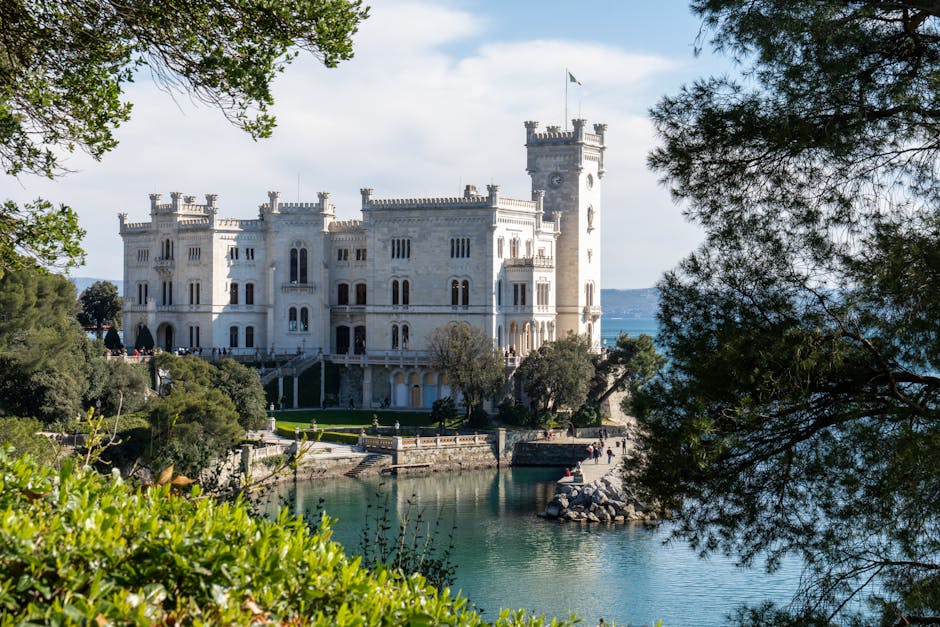
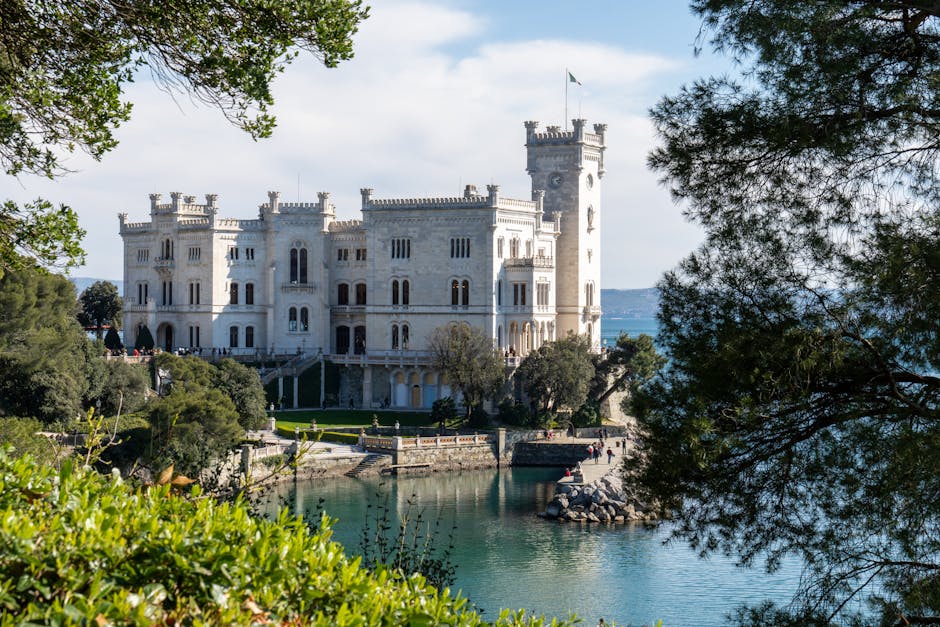
Castello di Miramare is arguably one of Trieste’s most iconic viewpoints. Perched on a rocky promontory facing the sea, it offers direct views over the bay and, on clear days, the Slovenian coast beyond. Exact address: Castello di Miramare, Viale Miramare 34151 Trieste TS, Italy. The park and castle form a full museum complex including gardens, terraces and richly decorated interiors dating to the mid-19th century, built for Archduke Ferdinand Maximilian of Austria.
Hours and prices (indicative — check locally as seasonal changes may apply): castle and museum typically open daily from 9:00 to 19:00 (last admission 18:00). Tickets: full price around €10–€12 for the castle (museum included), reduced €8–€10 (youths, seniors), possible free entry for children under 6. The large park is freely accessible and free of charge, and is an excellent spot to position yourself facing the sea at sunrise.
Immersive description: from the southwest terraces of the park the cliff drops almost vertically to the Adriatic. Waves crash against the rocks and, in clear weather, sails and yachts dot the horizon. Paths lined with citrus trees and camellias invite a stroll; benches offer partial shelter from the often brisk sea wind. From the north terrace your eye follows the curve of the coast toward Trieste’s bay and the city centre. It’s an ideal place for a romantic picnic, a sunset photo session, or to study the soft light on the castle’s pale stone.
Local practical tips:
- Arrival: the site is reachable by car and by city bus (line 6 and seasonal lines from Piazza Unità d’Italia). Paid parking is available around the park but limited in high season.
- Best times: morning until about 10:30 for gentle light and calm, or late afternoon for golden hues; be aware of strong winds in the afternoon.
- Photography: use a wide-angle lens to capture the castle and sea; a telephoto is handy to isolate maritime details and vessels offshore.
- Accessibility: the park is relatively accessible, but some terraces and castle steps may be less suitable for visitors with reduced mobility.
- Nearby: Ristorante Al Bagatto (Via San Nazario 15, 34151 Trieste) for fresh seafood after your visit.
Colle di San Giusto and views over the historic heart
Colle di San Giusto overlooks Trieste’s historic centre and offers a different viewpoint: you can spot Piazza Unità d’Italia, the port and the city skyline framed by surrounding hills. Address: Duomo di San Giusto Martire, Piazza della Cattedrale, 2, 34132 Trieste TS, Italy. On the hill several points of interest follow one another: the Cathedral of San Giusto, the Castello di San Giusto, the Civic Museum of the Castle (Museo Civico del Castello di San Giusto), and ramparts that make natural balconies over the city.
Hours and prices: the Cathedral of San Giusto (free entry to the nave, some chapels may charge) is usually open from 8:30 to 12:30 and from 15:00 to 18:30; Castello di San Giusto / Museo Civico (Castello di San Giusto, Via del Castello 13, 34132 Trieste) often opens from 10:00 to 17:30. Museum admission around €6–€8 for full entry, with discounts available. Check opening times during religious holidays or special events.
Immersive description: the climb up to San Giusto can be done on foot from the old town — a genuine visual route where every turn reveals a carved façade, a church or a picturesque lane. Once at the top, the cathedral’s wide esplanade offers sweeping views over the port and the Gulf of Trieste. The castle ramparts allow a stroll along an ancient parapet; from above you perceive the city’s texture: slate roofs, steeples, the wide maritime opening of Piazza Unità and the silhouettes of harbour cranes, a reminder of the city’s commercial role.
Practical tips:
- Getting there: walking up is recommended to enjoy the transition from the centre to the viewpoint. City buses: lines 2 and 12 serve the hill’s perimeter, but expect a short climb.
- Photography: in the morning, northern light brightens the cathedral’s eastern façade; at sunset the city glows in warm tones, perfect for urban panoramas.
- Comfort: wear good shoes; cobbled alleys and many steps are common. In summer bring water, as the climb can be warm.
- Culture: don’t miss the cathedral mosaics and the castle’s armory room. The castle museum provides explanatory panels in English and Italian.
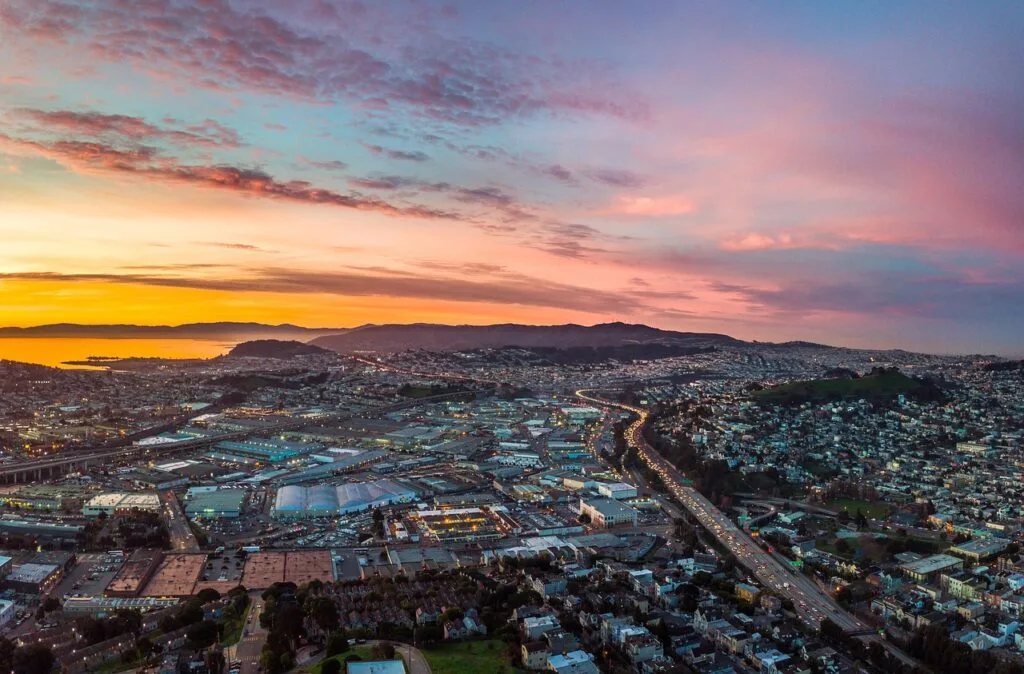
Monte Grisa, Faro della Vittoria and the Barcola panoramic circuit
For a panoramic loop that combines sea, cliffs and contemporary architecture, the Monte Grisa — Faro della Vittoria — Barcola trio is a must. Monte Grisa is a modern sanctuary perched on a ridge with an esplanade overlooking Trieste. Address: Santuario di Monte Grisa, Via Monte Grisa 27, 34151 Trieste TS, Italy. The Faro della Vittoria (literally “Lighthouse of Victory”) stands on the lungomare and marks an elevated observation point above the sea. Address: Faro della Vittoria, Viale Guglielmo Oberdan, 34121 Trieste TS, Italy. Finally, the Barcola is the long, popular seaside promenade where Triestini come to sunbathe and enjoy the sea.
Hours and access: Monte Grisa is generally freely accessible, especially for religious services and moments of reflection. The lighthouse is often not open for climbing, but its base and the surrounding terraces are permanently accessible (free entry). The Barcola promenade is public and open at any hour, very busy in summer. For Monte Grisa there are occasional guided visits; check the parish calendar for special openings.
Immersive description: Monte Grisa offers an almost 360° view of the Gulf of Trieste and the city. The sanctuary’s modern architecture stands out on the ridge; its flat terrace serves as a viewpoint that catches low morning light and dramatic sunsets. Faro della Vittoria, with its height and slim silhouette, punctuates the skyline; from its base you have a direct view of the bay and the long strip of the Barcola, with its summer sun loungers and brave winter swimmers.
Local tips and suggested route:
- Half-day route: start from Piazza Unità d’Italia on foot or by bike, reach the Barcola (10–20 minutes depending on your starting point), follow the promenade toward Faro della Vittoria for shore-level shots, then continue northwest toward Monte Grisa (bus or car recommended for the climb). Recommended time: 3–4 hours to enjoy the stops.
- Transport: city bus line 6 serves the Barcola, with frequent stops along the lungomare. For Monte Grisa, regional buses or taxis are convenient — the road climbs quickly and offers several viewpoints on the way.
- Best times: for soft colors, favor golden hour in the morning or at sunset; the Barcola is lively in late afternoon, ideal for people-watching.
- Gear: windproof jacket and wind-resistant sunglasses — the bora can be very strong even in summer; waterproof boots handy if you want to clamber down onto the rocks at low tide.
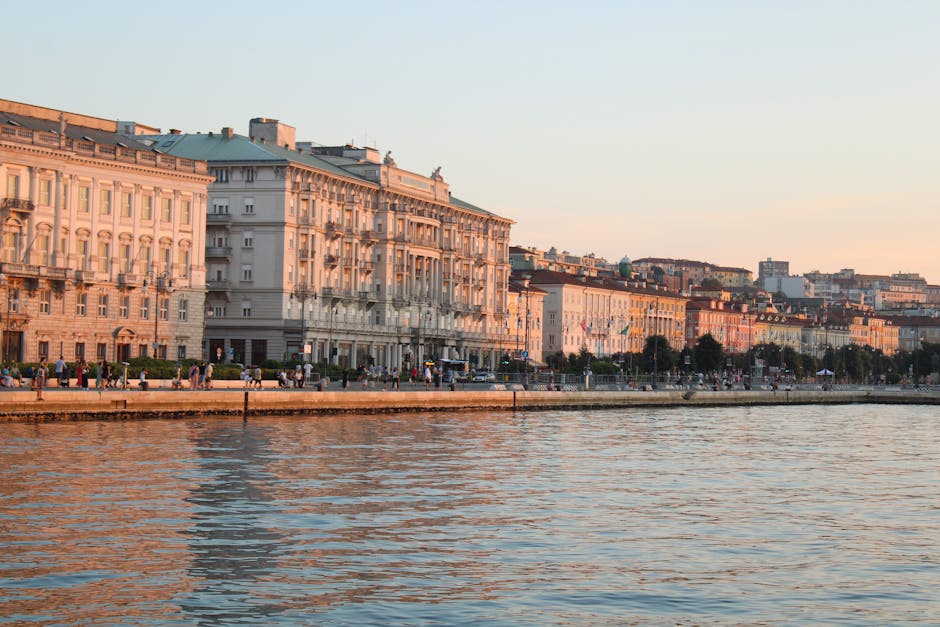
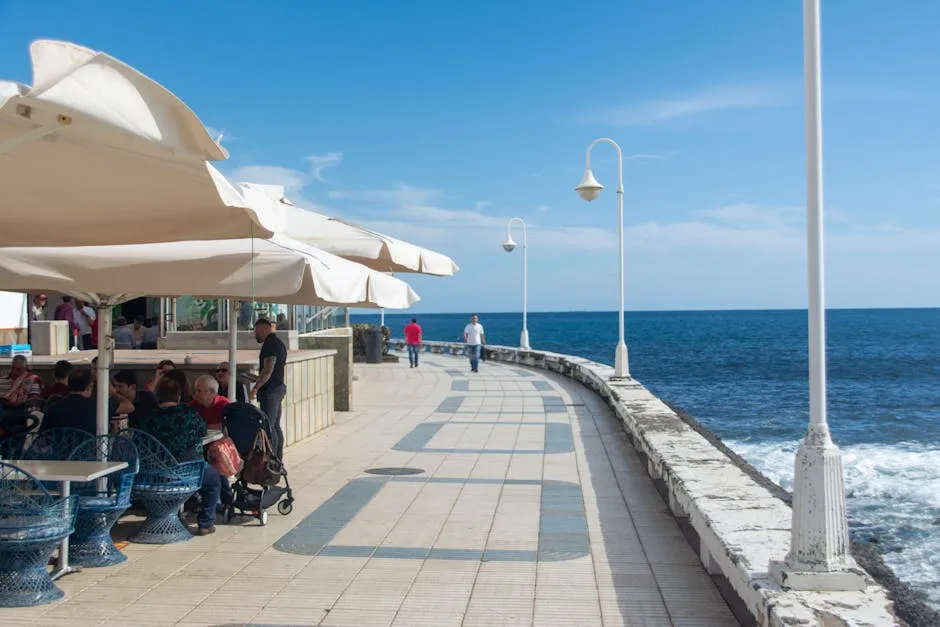
Grotta Gigante and the Carso viewpoints — intimate panoramas and geology
Grotta Gigante, located a little outside Trieste, is famous for its spectacular dimensions and for viewpoints over the karst plateau. Address: Grotta Gigante, Via ai Monti, 1, 34010 Sgonico (Sgonico, provincia di Trieste), Italy. Beyond the underground visit, the surrounding area offers lookouts over the Carso and the sea, with a striking contrast between the low vegetation of the plateau and the vastness of the Adriatic on the horizon.
Hours and prices (indicative): Grotta Gigante runs guided tours of the cave at fixed times — generally from 9:00 to 17:00 depending on the season, with a midday break; adult ticket around €10–€12, reduced €6–€8 for children and students. The cave is reachable on foot from the parking area and marked trails lead to natural viewpoints. It’s advisable to check the official site and book guided tours in advance, since group sizes may be limited.
Immersive description: after the underground tour — where you feel the scale and mineral beauty of stalactites and calcite draperies — head back outside to enjoy the Carso’s outcrops. Natural lookouts offer views over grassy hollows, dry-stone walls and, on the horizon, the blue ribbon of the sea. Low morning light grazes the lapiaz and short grasses, creating sculptural shadows that landscape photographers will love.
Practical tips and complementary routes:
- Access: by car from Trieste about 20–30 minutes; shuttles and local excursions may be available in high season. Parking on site (paid or free depending on the period).
- Combine with: pair a cave visit with a Carso hike toward the viewpoints of Opicina and Monte Valerio (Poggioreale) for views of the city from the hinterland.
- Safety: bring a jacket: cave temperature is cool and stable year-round (often around 11–12 °C). Good shoes recommended for outdoor trails, which can be stony and uneven.
- Photography: for the Carso, a 35–70 mm lens is versatile; inside the cave most tours prohibit flash — check the site’s photography policy.
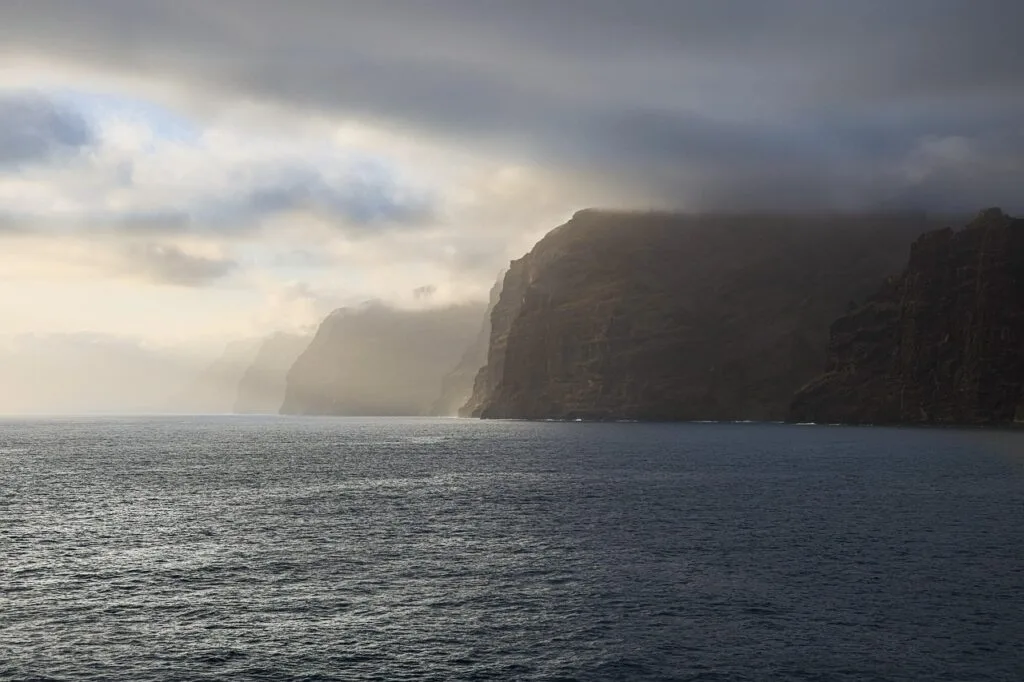
Conclusion — planning your viewpoints: routes, timing and final tips
Trieste offers a range of viewpoints suitable for different travelers: families, photographers, hikers and architecture lovers. To organize your stay, alternate visits to paid sites (Castello di Miramare, Museo Civico del Castello di San Giusto, Grotta Gigante) with free walks (Piazza Unità d’Italia, Molo Audace, Barcola). That way you mix culture, nature and downtime without blowing your budget.
Practical itineraries by trip length:
- 1 day: morning at Castello di Miramare (arrive at opening to avoid crowds), lunch at a seafront restaurant, afternoon at Colle di San Giusto and Molo Audace for an urban immersion, sunset at the Barcola.
- 2 days: add Monte Grisa and Faro della Vittoria on day two; plan Grotta Gigante if you want a karst and nature mix.
- Extended stay: explore the Carso in more depth, visit nearby coastal towns (Opicina, Duino) and sample local dishes (brodetto, scampi, jota triestina) in recommended trattorie.
Final tips and local recommendations:
- Check opening times and book ahead: especially for museums and Grotta Gigante in high season; schedules can change and groups may be limited.
- Dress for the wind: the bora can turn a calm sea day into a windy experience; always bring a light windproof layer.
- Getting around: Trieste is compact but hilly — favor comfortable shoes and use the local bus network for steeper climbs. Taxis and rideshares are readily available from the centre.
- Respect the sites: many viewpoints sit inside protected areas (parks, historic sites): follow the rules, don’t leave litter and respect opening hours.
With a map, water, a windproof jacket and a camera, you’ll be able to explore Trieste from its heights with ease. Whether you seek the deep blue from Miramare, the urban panorama from San Giusto, Monte Grisa’s modern character or the Carso’s geology at Grotta Gigante, each viewpoint offers a different reading of the city. These views invite you to slow down, look and feel the meeting of land and sea that is Trieste’s essence.