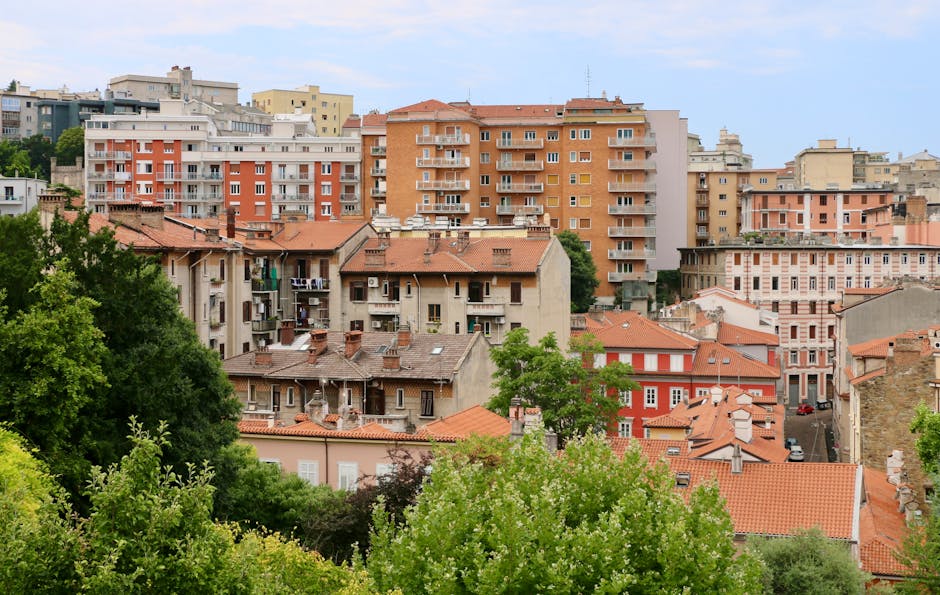






Introduction: Trieste’s Secret Lanes Between the Adriatic and the Hills
Trieste has long been a border city: a cosmopolitan port of the Austro-Hungarian Empire, a crossroads for Italians, Slovenes, Germans and Greeks. Today it still radiates a unique vibe where Viennese architecture, literary cafés and family-run shops mingle. While Piazza Unità d’Italia and the magnificent Castello di Miramare draw the crowds, the true magic of Trieste often hides in narrow alleys, tucked stairways, covered passages and forgotten courtyards. These tight corners tell the city’s everyday story: dockworkers, sailors, shopkeepers, artisan families and writers like James Joyce who threaded their days away from the main tourist routes.
This guide invites you to step off the usual paths and explore Trieste’s hidden treasures. You’ll find intimate courtyards lined with antique shops, secret viewpoints offering horizontal views of the Adriatic, walls covered in mosaics and inscriptions, and quiet spots to have coffee in the Triestine tradition—away from the queues. Each alley has its own personality: some smell of fresh bread, others echo the speakers of old neighborhood theatres, and some shelter community vegetable gardens tended by neighbors.
Along this off-the-beaten-track route I give precise addresses, opening hours and entrance fees where relevant, immersive descriptions to help you picture each moment, and practical local tips (best times to visit, what to wear, where to park, and rain-day alternatives). I’ll also slip in a few foodie pointers—where to try Triestine prosciutto, which little trattoria serves the best jota (the local soup), or where to buy homemade taralli. These secret lanes are living places: respect the locals, keep noise down at night, and walk rather than drive whenever possible to preserve the authenticity of these neighborhoods.
Remember Trieste changes with the seasons: winter brings marine mist that turns viewpoints into melancholy scenes, spring colors the hidden gardens, and summer bathes neoclassical facades in golden light. This guide is meant to help you feel Trieste from the inside, not just see it. Strap on walking shoes, bring curiosity and a notebook: Trieste’s lanes have more than one story to whisper.
1) Around the Cattedrale di San Giusto: Wandering Between Old and Hidden
Atop the San Giusto hill, the Cattedrale di San Giusto watches over the city and the sea. Address: Piazza della Cattedrale, 1, 34121 Trieste TS. The cathedral is usually open from 8:30 to 18:30 (times may vary with masses and ceremonies); entry to the cathedral itself is free, but visiting the Capitular Museum and the cloister may cost around €3 – €5. If you wander the lanes surrounding the cathedral—Via di San Giusto, Vicolo dei Portici and Vicolo della Pelliccia—you’ll find cobbled passages where city noise fades and old wooden doors open onto intimate courtyards. These alleys keep medieval traces: bas-reliefs, sunken little squares and facades covered in lichen that tell a layered story.
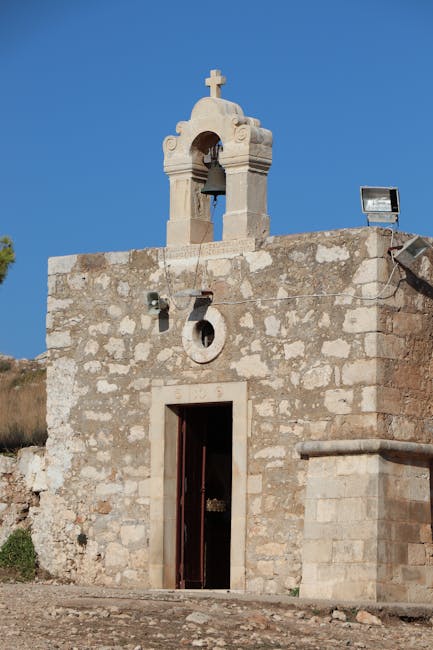
As you head toward the Castello di San Giusto, watch for details: patinated wrought iron, ceramic house numbers, tiny votive chapels and frescoes hidden in shadow. The Castello di San Giusto (Piazza della Cattedrale, 3, 34121 Trieste TS) is open from 9:00 to 19:00 in high season, with a combined ticket for the castle and museum costing roughly €6 – €9. From the ramparts you get sweeping views of the bay and the tightly-packed rooftops—a perfect moment to photograph the city backlit at dusk.
Practical tips: arrive early to avoid tour groups and enjoy the alleys bathed in soft morning light. Wear slip-resistant shoes: the stone slabs can be slippery after rain. If you need a break, the bar-caffè Caffè Tommaseo (Piazza Tommaseo, 2, 34121 Trieste TS) is nearby; expect about €1.30 – €2.50 for an espresso depending on whether you stand at the counter or sit at a table.
 Click here to discover Trieste’s hidden gems with a guide
2) The Old Porto Vecchio District and Its Forgotten Passages
Porto Vecchio and the area from Riva Tre Novembre to the Canal Grande hide narrow industrial streets that have been reborn as places of daily life. Start at the obvious point, Piazza Unità d’Italia (Piazza Unità d’Italia, 34121 Trieste TS), then turn off toward Borgo Teresiano: Via San Nicolo, Via del Teatro Romano and the tiny Via della Madonna. Here you’ll find artisan workshops, minimalist galleries and antique paper shops. As you head down toward the quay, look for the discreet entrance to the Chiesa di Santa Maria Maggiore (Salita dei Capitelli, 7, 34121 Trieste TS) and covered passages lined with wine merchants and delicatessens.
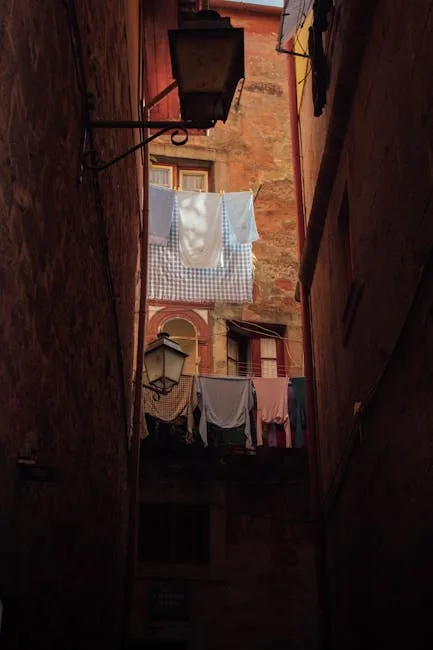
Discoveries you might make include a small covered market where local producers sell cheeses, olives and prosciutto, plus specialist sailing bookshops focused on fishing and navigation. The quaysides themselves, often quieter at dawn, offer strong photographic perspectives on boats and industrial silhouettes. Molo IV is another spot for port atmosphere; stroll there at golden hour to see sunlight glint off rigging and mooring lines.
Practical tips: parking in this area can be paid (disc and meter zones); favor the P Leoni parking (Viale Miramare) or P Porto Vecchio if you have a car. For a quick local bite, grab a basket of taralli at Panificio Pasticceria Padoan (Via della Mercanzia): expect €1.50 – €3.00 depending on the variety. In the evening, the alleys take on an intimate quality—perfect for an aperitivo in a neighborhood enoteca where a glass of local Malvasia costs around €4 – €7.
Click here to taste local flavors on a culinary tour
3) The Barcola Quarter and Its Hidden Viewpoints
The Barcola coastline is known for its seaside promenade, but few visitors climb the lanes and trails that wind up the heights. Begin at Viale Miramare (Viale Miramare, 34151 Trieste TS), then take the small ascending streets like Via di Barcola and Via dei Cacciatori. As you climb you’ll find stone stairways leading to private terraces and viewpoints that make the sea feel like it drops off at the foot of the houses. These tiny lookouts are perfect to sit and watch the gulf and sailboats sliding across the horizon.
Along the way, keep an eye out for curiosities: memorial plaques to sailors, decorative anchors, and terraced gardens tended by residents. Villa Revoltella (Piazza G. Giovanni Palatucci, 5 ? — note that Museo Revoltella is often listed in the city center, check the address on site) and its surroundings are cultural points of interest; the museum is generally open from 10:00 to 18:00, with a fee around €7 – €10. But what makes Barcola special are the micro-places: a tiny chapel perched on a slope, a bench draped in bougainvillea, a yellow-stoned path leading down to a secluded cove.
Practical tips: bring water and a hat in summer—some climbs can be demanding. Best times to visit are dawn and late afternoon: low light sculpts the landscape and the lanes are deserted. If you want to swim after your walk, look for small coves below rather than the maintained beaches; wear water shoes for rocky descents. Watch bus schedules: line S12 and other services reach Barcola but frequencies can drop in the evening.
Click here to book your ticket for the Miramare Castle visit
4) Secret Patios and Gardens: Tiny Spaces of Calm
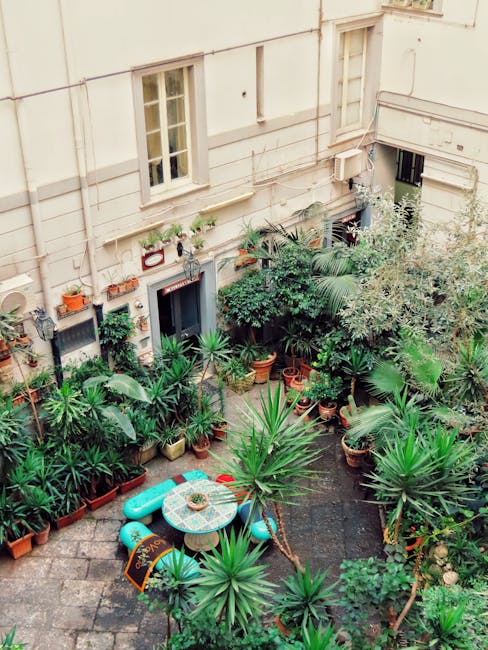
Trieste hides inner courtyards and private gardens often missed by hurried visitors. These patios are mostly tucked away in the old neighborhoods around Via Roma, Via Carducci and the Rione della Bora. Pushing through small gate doors (often unlocked during daytime) reveals oases with fig trees, vines and roses. These enclosures are usually surrounded by 19th-century houses with wrought-iron balconies and ivy-covered walls.
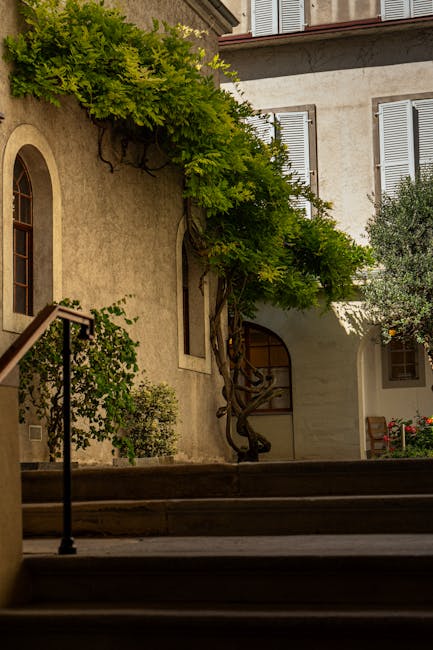
A typical example is the Giardino Pubblico del Castello di San Giusto (near Piazza della Cattedrale), a small tree-filled spot with benches and views over the lower city. This public garden is free and makes an excellent resting point after the climb. Another discrete place is the cloister of the Ex Convento dei Cappuccini (access address may vary); when open, it offers a tranquil atmosphere with arcades and a central fountain.
Practical tips: respect the calm and the access rules—some gardens are private and open only for events. In summer look for small fountains to refill your water bottle; in winter bring warm layers as microclimates can be windy. For photographers: these courtyards offer soft filtered light, ideal for portraits and architectural details. And if you’re hunting for a local memento, spot artisans working in these lanes: glassblowers, bookbinders and seamstresses sometimes welcome visitors by appointment.
Click here to join a ceramics workshop with a local artist
5) Shops, Cafés and Foodie Spots Off the Tourist Track
Nothing reveals a city like the places where locals eat and drink. In Trieste, literary cafés, family bakeries and small osterie are essential markers. Here are a few addresses to note:
- Caffè San Marco – Via Cesare Battisti, 18, 34123 Trieste TS. Open daily 7:30–22:00. Prices: espresso about €1.20 – €1.80, pastries €2 – €5. A historic spot frequented by writers, with wooden interiors and an attached bookshop.
- Antico Caffè Torinese – Piazza Oberdan, 2, 34121 Trieste TS. Hours: 8:00–20:00. Known for snacks and the atmosphere of a classic neighborhood café.
- Panificio Pasticceria Padoan – Via della Mercanzia (near Porto Vecchio). Artisan bakery: bread, taralli and focacce. Price for a basket of taralli: €1.50 – €3.00.
- Osteria da Marino – Via del Teatro Romano, address near the Teatro Romano (check locally). A small neighborhood restaurant serving jota, brodetto alla triestina and seafood dishes. Full meal about €15 – €30.
Tip: order your coffee at the counter to pay less; in Triestine tradition the price goes up if you’re served at a table. Also look for small shops selling slivovitz and local wines like Istrian Malvasia. Weekly markets (Piazza Ponterosso market or the small market on Via Carducci) are ideal for buying fresh produce and local cheeses—budget around €5 – €15 for an assortment for two.
Practical tips: many of these shops close Sunday afternoons—plan purchases accordingly. For vegetarian options, look for non-meat dishes (Triestine cuisine features plenty of seasonal vegetables). And be ready to haggle a little in tiny antique shops if you’re buying objects: a smile and some basic Italian often open more doors than anything else.
Click here to discover Trieste’s historic cafés
Click here to sample local specialties on a food tour
Conclusion: How to Keep Exploring and Respect the Soul of the Lanes
Exploring Trieste’s secret lanes means letting yourself be led by the unexpected. Every half-open door, every stairway and every small garden you discover is a fragment of the city’s memory. To extend the experience, plan several half-day outings: start at dawn in the port neighborhoods, return for late-afternoon light on Barcola’s viewpoints, and finish with a coffee break in an old institution like Caffè San Marco. Always carry a paper map or an offline app: mobile signal can be weak in some alleys and it’s easy to get happily lost—sometimes that’s where the best finds are.
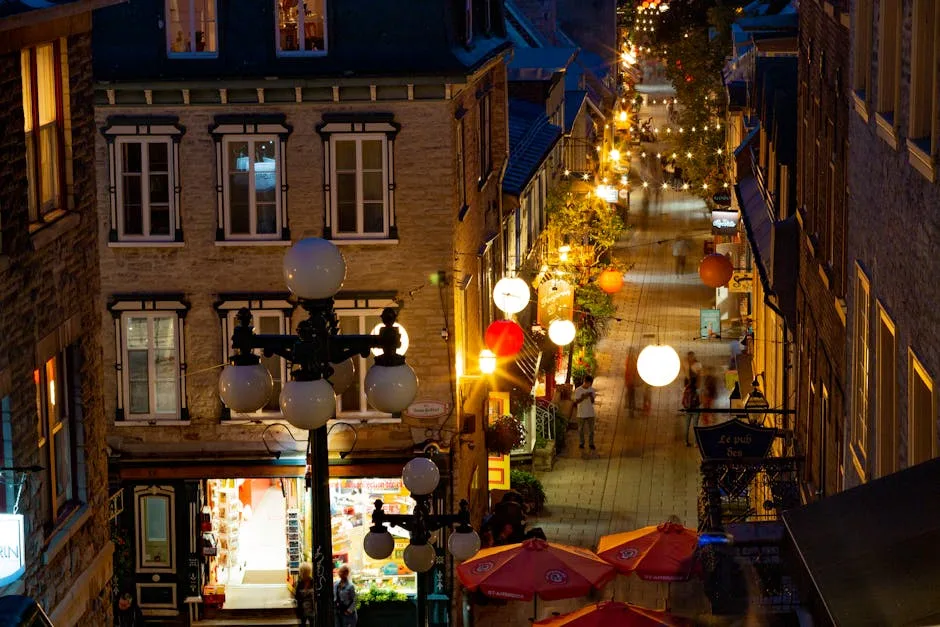
Respect residents and the quiet of these spaces. The lanes are living places, often occupied by locals, children playing and hardworking shopkeepers. Avoid noisy gatherings, don’t leave litter, and ask permission before photographing private properties or courtyards. If you want to visit artisan workshops or be admitted into private gardens, a polite word in Italian (a simple “buongiorno” and a smile) usually opens doors better than any photo. Triestines are proud of their café and port culture: participate by buying local, shopping at markets and favoring small osterie over big chains.
Finally, always double-check opening hours and prices before visiting a monument or museum: these details can change with the season and local events. For major sights like Castello di San Giusto or Castello di Miramare, consult official sites or Trieste’s tourist offices for up-to-date hours and skip-the-line tickets. But remember: Trieste’s greatest treasures are often free and come from walking slowly, looking down to find a historic plaque, and looking up to admire a balcony carved by time.
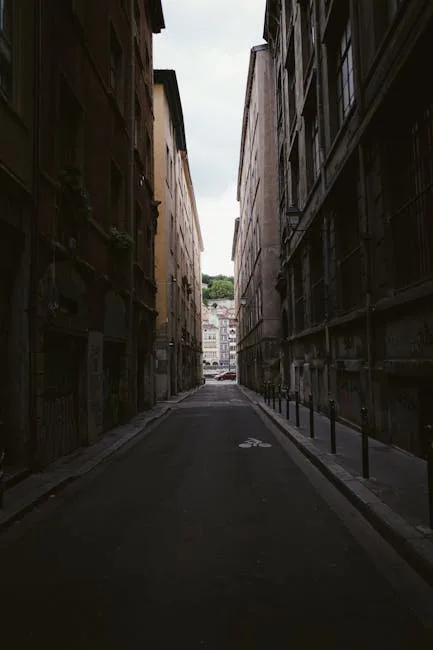
Have a great trip to Trieste: let your steps lead you off the usual routes, respect the city, and come home with images that won’t be on the standard postcard but will stay with you for a long time.