





Introduction — Trieste by the Sea: Fishermen, Traditions and Coastal Life
Trieste is more than Austro-Hungarian architecture, literary cafés and marble squares. It’s a port city where the Adriatic has shaped daily life for centuries. When people talk about Trieste by the sea, they picture the quays, the scent of salt mixed with freshly hauled fish, small boats rocking gently and the men and women who, by trade or inheritance, still live according to the tides. This article aims to paint a vivid, well-documented portrait of Trieste’s fishermen: their traditions, gathering spots, techniques and the ongoing impact they have on the city’s culinary and social life.
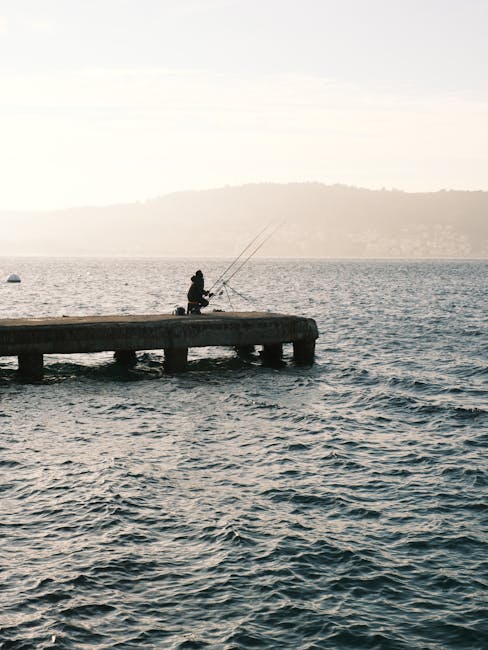
Fishing in Trieste isn’t just an economic activity; it’s a cultural foundation. Skills — mending nets, reading currents, understanding the winds, handling traditional boats — are often passed down from generation to generation. Along the Lungomare di Barcola, on Molo Audace or around the Porto Vecchio, you can still witness these time-honored gestures. Today Trieste’s fishermen rub shoulders with pleasure boaters, joggers, families and tourists; the sea is a shared space where tradition converses with modern urban life.
In the sections that follow I’ll take you to the quays and workshops, point out specific places (addresses, opening hours, approximate prices for visits and related museums), sketch human portraits and detail culinary practices that give the city its reputation — from brodetto to anchovy preparation, from fish markets to small trattorie where you taste the catch of the day. You’ll also find practical tips for meeting fishermen without disturbing their work, visiting maritime sites and museums, and sampling specialties with indicative prices.
The bulk of this account is based on observing key places and on informal conversations with fishing families, restaurateurs and local guides. The goal isn’t to romanticize the fisherman’s figure, but to show how, despite tourism pressures and economic changes, fishing remains a pillar of Trieste’s identity. Get ready to smell the salty air, hear the lines creak, and discover steady, time-honored gestures that tell the story of a city turned toward the sea.
Iconic spots: where to watch fishing, museums and useful addresses
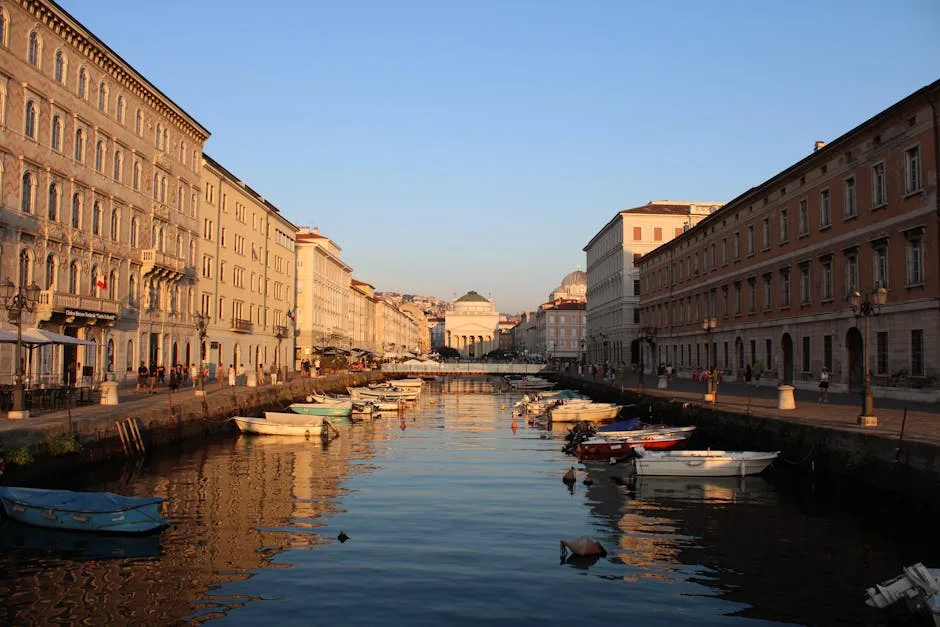
To understand fishing in Trieste, start by walking the places where the sea most closely talks to the city. Here’s a selection of must-see sites, with addresses, opening hours and indicative prices for visits or discovery:
- Molo Audace — Molo Audace, 34121 Trieste. This quay, extending from the Riva (seafront) near Piazza Unità d’Italia, is an ideal vantage point at sunrise and sunset to watch fishermen at work. Open 24/7. Free.
- Piazza Unità d’Italia — Piazza Unità d’Italia, 34121 Trieste. The largest square opening onto the sea, a starting point for many seaside strolls. Open to the public. Free.
- Lungomare di Barcola — Lungomare Nazario Sauro, 34135 Trieste. This popular waterfront is frequented by both amateur and professional anglers; you’ll find little coves where nets and hooks are repaired. Open access, mornings recommended to observe the activity.
- Castello di Miramare — Viale Miramare 1, 34151 Trieste. A 19th-century castle overlooking the Gulf of Trieste. Nearby headlands offer views of coastal boats and nearshore fishing. Hours: generally 9:00–19:00 (varies by season). Indicative price: around €9.00 for park and museum entry, concessions possible. Tel. +39 040 224 555
- Museo Revoltella (Civic Museum of Modern Art) — Piazza Giuseppina 1, 34121 Trieste. While primarily an art museum, it sometimes hosts exhibitions on the sea and port life. Hours: Tue–Sun 10:00–19:00 (closed Monday). Indicative price: €6–8.
- Porto Vecchio / Porto Nuovo (port area) — Zona Porto Vecchio, access via Riva Nazario Sauro, 34123 Trieste. Areas of small basins where artisanal fishing boats berth. Public access varies by zone; stick to public quays and be mindful of private areas.
For themed visits, check with the Ufficio Turistico di Trieste (Piazza della Borsa 1, 34121 Trieste; Hours: Tue–Sun 9:30–18:30; Info: free, guided tours usually cost around €10–20 depending on route). Many boat excursions covering maritime history, fishing and nearby islands depart from the Riva del Mandracchio or the quay near Molo Audace; mini-cruise prices generally range from €12–30 depending on duration and season.
Portraits of fishermen and their methods: from the trabacolo to modern techniques
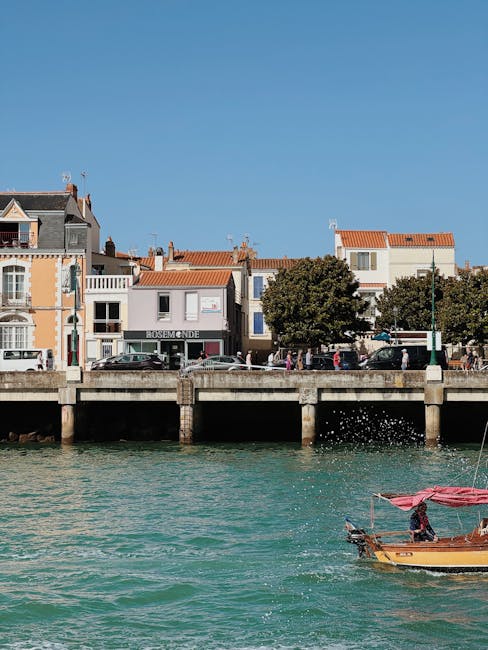
Meeting a Triestine fisherman often means meeting a family more than just a profession. Fishing families can go back several generations and have seen their boats evolve from traditional wooden craft to modern fiberglass hulls. Among traditional vessels, the « trabacolo » — with its lateen sail and sturdy profile suited to Adriatic conditions — is still remembered, though today it’s mostly preserved as heritage rather than used for everyday fishing. More common are small motorboats (6–12 meters) used for coastal and line fishing.
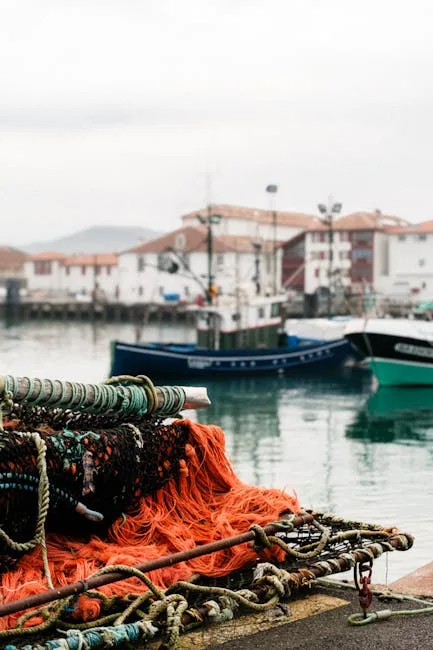
The techniques remain largely artisanal: fixed traps and drifting nets near the shore, longlines for deeper fish and pots for crustaceans (lobster, scampi). Trieste’s fishermen read the sea like others read a book: they know where fish shoals gather by season, where warm currents form, and how the bora or sirocco winds affect visibility and catches. Technical gestures — stamping the net to remove seaweed, tying a solid « puntale » (stake), measuring net mesh to respect minimum sizes — are passed on in boatyards or at the fish auction.
The local fish auction in Trieste isn’t as large as those in big pelagic ports, but the markets and the pallets on the quays still offer a lively show: flatfish, sardines, anchovies, squid and, less frequently, tuna or swordfish depending on the outings. Some fishermen sell directly: at Molo Audace and along the Lungomare di Barcola early in the morning (before 8:00), it’s common to see small direct sales — a practice that protects freshness and price. Direct selling also allows for tips on preparation: how to gut, salt or make a Triestine brodetto.
There’s also an innovation dynamic. Some younger fishers are investing in sustainable practices: limiting drifting nets, using selective pots, logging catches and joining local cooperatives that aim to keep quotas reasonable. These initiatives mix with cultural events where fishing becomes a heritage act, for instance at neighborhood festivals featuring net-mending demonstrations or small photographic exhibits.
Food, markets and dishes to know — addresses, prices and tips
The link between fishermen and cooking is immediate in Trieste: the day’s catch ends up almost instantly on stalls and in trattoria kitchens. Here are addresses and suggestions to taste ocean flavors, with indicative prices and practical tips.
Mercato Coperto (Central Market of Trieste) — Via San Nicolò 9, 34121 Trieste. Hours: Tue–Sat 07:00–13:00; closed Sunday and Monday morning. Here you’ll find fishmongers and stalls offering the day’s freshness. Prices: sea bream fillets about €12–20/kg; fresh squid €15–25/kg; cuttlefish €10–18/kg (indicative, seasonal). Tip: arrive before 10:00 for the best selection and politely haggle on small lots if you’re buying as an individual.
Trattoria da Giovanni — Riva Nazario Sauro 2, 34123 Trieste. Hours: 12:00–15:00 / 19:00–23:00 (check locally). Recommended dish: brodetto alla triestina (fish stew) around €15–20 per portion. The chef often sources from local fishermen and adapts the menu to the day’s catch.
Osteria al Pescatore — Via Carducci 3, 34123 Trieste. Hours: 12:30–14:30 / 19:00–22:30. Signature dish: grilled calamari with polenta, €14–18; seafood antipasti plate €10–14. Tip: ask for the « catch of the day » for the most authentic, freshest experience.
Dishes and traditions: brodetto is the classic fish stew, made with a mix of species, tomatoes, white wine and grilled bread; it’s a popular Adriatic port dish, often served at fishing festivals. Local anchovies are commonly salted or simply marinated, and grilled sardines are popular in summer. For an aperitivo, look out for prosciutto and scampi (seasonal) served with a glass of local white wine or a glass of Terrano in traditional back rooms.
Practical tips: when buying fish, check the smell (it should smell cleanly marine, not ammoniac), the firmness of the flesh and the clarity of the eyes. If you want to cook it, ask the fishmonger to gut and scale it for you (often free or €1–3). For an affordable but authentic meal, seek out neighborhood trattorie away from the tourist center: daily menus often cost €10–18 and may include an antipasto, main and sometimes a glass of wine.
Social practices, sea-related festivals and tips for visitors
The sea also shapes Trieste’s social calendar. Several local events and festivals revolve around fishing and maritime traditions, giving visitors a chance to watch demonstrations, fairs and community meals.
Among the events, the Festa del Mare (local events vary by year and organizer) brings together fishermen, nautical sports associations and restaurateurs for tastings, filleting demonstrations and displays of traditional boats. Dates and locations change yearly: check with the Ufficio Turistico di Trieste (Piazza della Borsa 1, 34121 Trieste; phone +39 040 675 9200) for the annual calendar. Small neighborhood festivals, especially in Barcola or in port districts, often offer fixed-price fish menus (usually €15–25 per person).
There are themed workshops and guided visits: net-tying workshops, tours of traditional boatyards and rides in local boats. Indicative prices: workshops €10–25; guided boat trips €12–35. For families, some associations run outings aimed at children to teach them how to identify fish and respect marine biodiversity.
Practical tips for visitors:
- Respect fishermen’s rhythms: avoid stepping onto private pontoons or photographing operations up close if it interferes. Always ask permission before taking portraits.
- Favor mornings (05:00–09:30) to see landings and buy ultra-fresh fish. Afternoons are more often for net repairs or rest.
- Wear appropriate shoes: quays are often wet and slippery. If you take a boat trip, bring a windproof jacket — the bora can surprise even in summer.
- Learn about local conservation rules: minimum sizes, protected species and quotas. Responsible fishermen value these practices and will be happy to explain their choices.
Useful contact: Ufficio Turistico di Trieste — Piazza della Borsa 1, 34121 Trieste. Typical hours: Tue–Sun 9:30–18:30. Services: information, excursion bookings and tickets for some museums and guided tours. Tel. +39 040 675 9200. Service prices vary by season and type of visit.
Encounters and stories: voices of the sea
The people themselves bring Trieste’s maritime portrait to life. Here are a few archetypal characters you’re likely to meet while wandering the quays:
- The old fisherman — The elder who learned to fish with his father; today he mends nets on the promenade and gladly shares stories in the local dialect. He knows every rock along the coast and advises younger fishers about shoals. He embodies technical memory: knots, stitching and small tricks for preserving fish at sea.
- The boatyard family — A family that runs a small artisanal boatyard near the Porto Vecchio. Hulls are built and repaired there; you’ll also see youngsters learning woodworking and fiberglass work. These workshops rarely close during high season: demand for overhauls and maintenance is constant.
- The young innovator — The younger skipper, often trained in marine biology or sustainable management, trying to introduce eco-friendly practices and build direct relationships with restaurants to ensure short supply chains. He takes part in European projects on sustainable artisanal fishing.
These voices also crop up in cafés where a caffè lungo follows a night at sea, in markets where a crate of sardines is negotiated, and in osterie kitchens where family recipes live on. For the curious visitor, the best approach is respectful curiosity: ask simple questions, offer to buy a small lot and accept answers without overexposure. Often, a single conversation opens the door to insider tips and a recipe or two — and a safer way to read the sea.
Conclusion — The sea as a social and heritage thread
Trieste by the sea is a promise: a city where the sea remains a topic of exchange, identity and livelihood. Fishermen and their traditions represent a fragile yet persistent continuity between past and present. Between the quays of Piazza Unità d’Italia, the small boats of Porto Vecchio, the repair workshops and the fish trattorie, an ecosystem of people unfolds that deserves to be seen, heard and respected. The portrait here shows that fishing in Trieste is not simply a job; it’s a collection of skills, family stories, innovations and festivals where gastronomy meets heritage.
If you come to Trieste, treat yourself to long morning walks at Molo Audace and along the Lungomare di Barcola, conversations with fishermen (always with tact) and meals at trattorie where the catch of the day rules. Visit the museums and castles (Castello di Miramare — Viale Miramare 1, 34151 Trieste; Museo Revoltella — Piazza Giuseppina 1, 34121 Trieste) to put maritime history in context, but don’t forget the living heart of the sea is on the quays and in the markets. By respecting local practices, buying locally and taking part in community events, you help preserve this living heritage.
The sea can be changeable and the challenges (economic, climatic, regulatory) many, but in Trieste the fishing community responds with adaptation, transmission and openness. The next generations, already working in the yards and on small boats, carry the legacy while inventing new ways to marry tradition and sustainability. Ultimately, Trieste by the sea reminds us that the sea is more than a view: it’s a social fabric, a source of stories and flavors waiting for the attentive visitor.