





Introduction: Trieste Fish Market — a stage of salt, mist and encounters
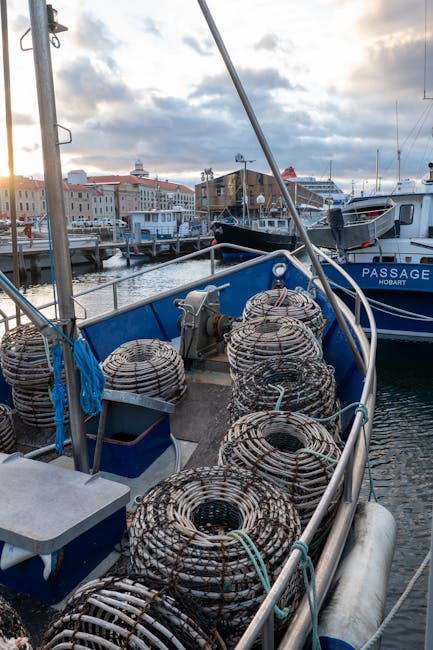
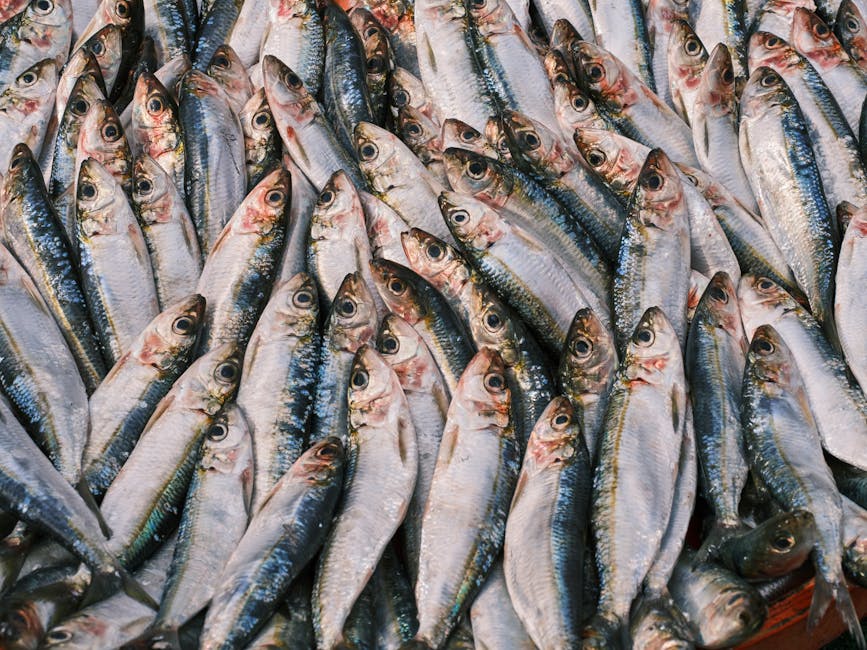
Arriving in Trieste, the port city tucked into Italy’s northeastern tip, you’re immediately struck by the salty air, the clink of mooring lines and the ballet of seagulls. At the heart of this maritime scene is Trieste’s fish market, where the sea and the city meet every morning. More than a simple trading post, it’s a living archive of craft, culinary traditions and personal stories. The stalls, rich in textures and colors, tell the tale of Adriatic fishing: silver sardines, pearly cuttlefish, pink sea bream and squid glossy with sea spray.
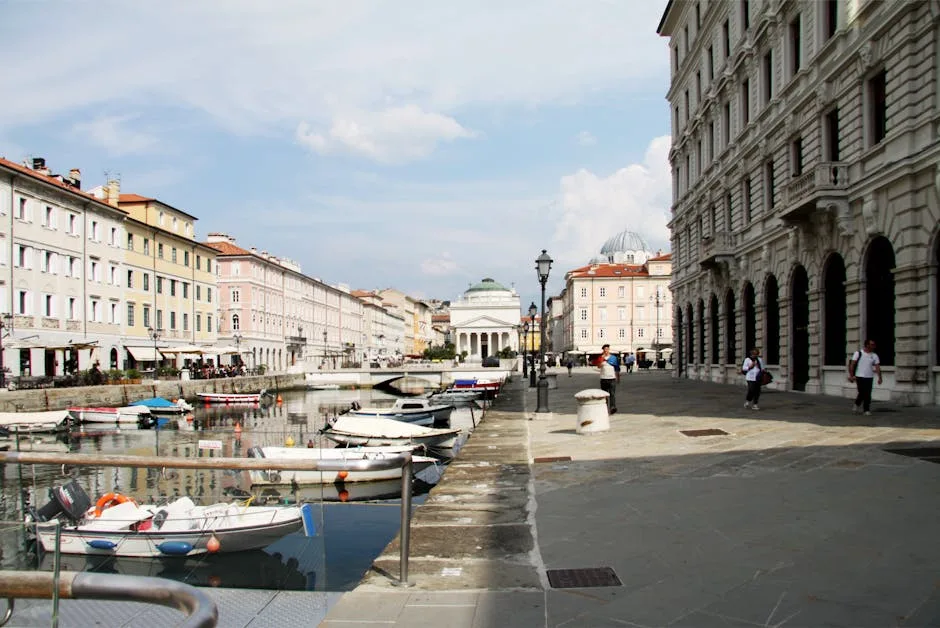
The fish market stretches along the historic quays, near the Porto Vecchio and the famous Riva Nazario Sauro, where old fishermen still swap storm tales and stories of miraculous catches between nets. It’s a daily meeting place for pros and enthusiasts alike — restaurateurs, fishmongers, local shoppers and curious visitors — who come not only to buy but to trade tips and recipes. Stalls typically operate at dawn: expect opening hours around 05:00 to 11:00, with some tourist-focused stands staying open until 13:00 on certain days. But the market’s true life unfolds before the sun is fully up.
This guide is meant to immerse you in that atmosphere: how to get there, the best times to visit, which fish to look for by season, what prices to expect and, above all, how to talk with the sellers so you leave with a fresh catch and the story behind it. You’ll also find exact addresses for related spots — fish shops, restaurants and local contacts — plus practical tips to enjoy the experience without being tripped up by port logistics.
Whether you’re a foodie hunting rare ingredients, a photographer obsessed with marine textures, or a traveler wanting to feel Trieste’s authentic pulse, the fish market offers a range of experiences: buying fish straight off the boat, watching an impromptu auction at the quay, tasting a frittura mista at a tiny harbor bistro, or simply listening to the Triestine dialect peppered with laughter and salty exclamations. This guide walks you through turning a simple visit into a full sensory immersion.
Where the market is and how to get there — addresses, landmarks and opening hours
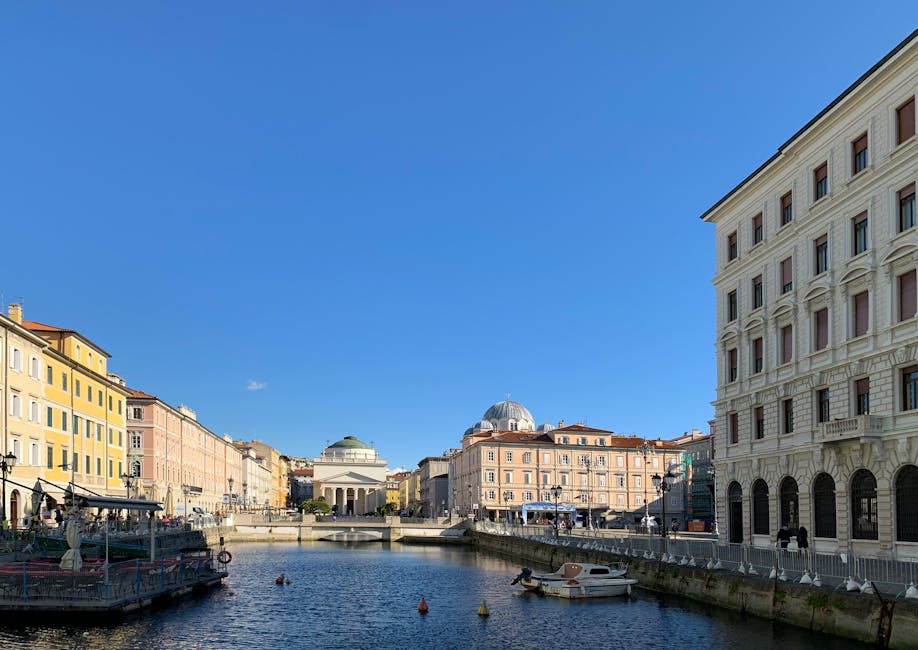
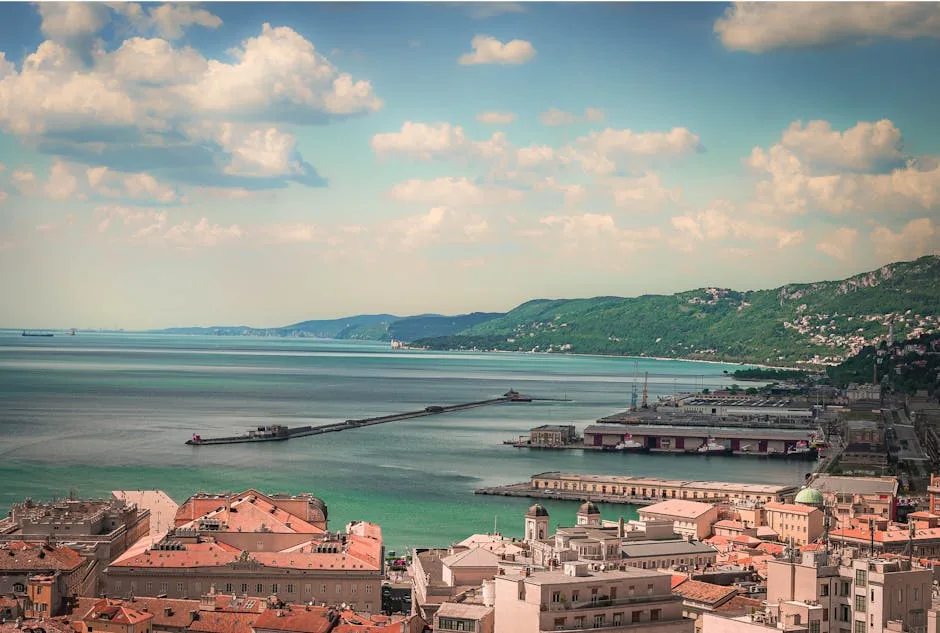
Trieste’s fish market is spread across several points along the waterfront, but the beating heart lies along Riva Nazario Sauro and the Porto Vecchio, close to Molo Bersaglieri. Practical reference points:
- Pescheria all’aperto – Riva Nazario Sauro 1, 34123 Trieste (TS), Italy: the open-air fish market made up of about ten traditional stalls, usually open from 05:00 to 11:00 on weekdays and until 13:00 on Saturdays. Peak activity is between 06:00 and 09:00.
- Mercato Ittico all’ingrosso di Trieste – Via dei Legnami 7, 34123 Trieste (TS): the wholesale market where professional transactions happen early in the morning, often between 04:30 and 07:30. Public access is restricted without permission, though guided visits can sometimes be arranged.
- Pescheria Coperta (Fish Hall) – Riva Tre Novembre 8, 34131 Trieste (TS): an indoor hall next to the waterfront, open from 06:00 to 14:00 — handy if the weather turns sour.
How to reach these spots from the city center:
- On foot: Riva Nazario Sauro and Porto Vecchio are 10–20 minutes’ walk from Piazza Unità d’Italia (Address: Piazza Unità d’Italia, 34121 Trieste). Follow the seaside promenade for panoramic views of the gulf.
- By bus: local ACTV/TPA lines serve the waterfront; get off at « Molo Audace » or « Riva Nazario Sauro. » A city ticket costs about €1.50 (valid for 75 minutes).
- By car: there are some paid parking spots near Porto Vecchio, roughly €1–2/hour depending on the zone. The addresses above have nearby parking, but opt for walking or cycling to avoid hunting for a space.
Timing tips:
- The real buzz happens before 09:00; if you want to buy retail fish or watch the sales, arrive between 06:00 and 08:00.
- Stalls start packing up between 11:00 and 13:00; after that you’ll mainly find fixed fishmongers and waterfront restaurants serving what was bought earlier.
- The market may close on certain national public holidays; in high season (May–Sept) some stalls extend hours to 14:00 to catch tourist trade.
What you’ll find — products, price ranges and seasons
The Trieste fish market primarily showcases the Adriatic’s rich biodiversity. Below is a detailed rundown of what you’re likely to find, with typical retail price ranges (indicative and subject to change depending on catch and season):
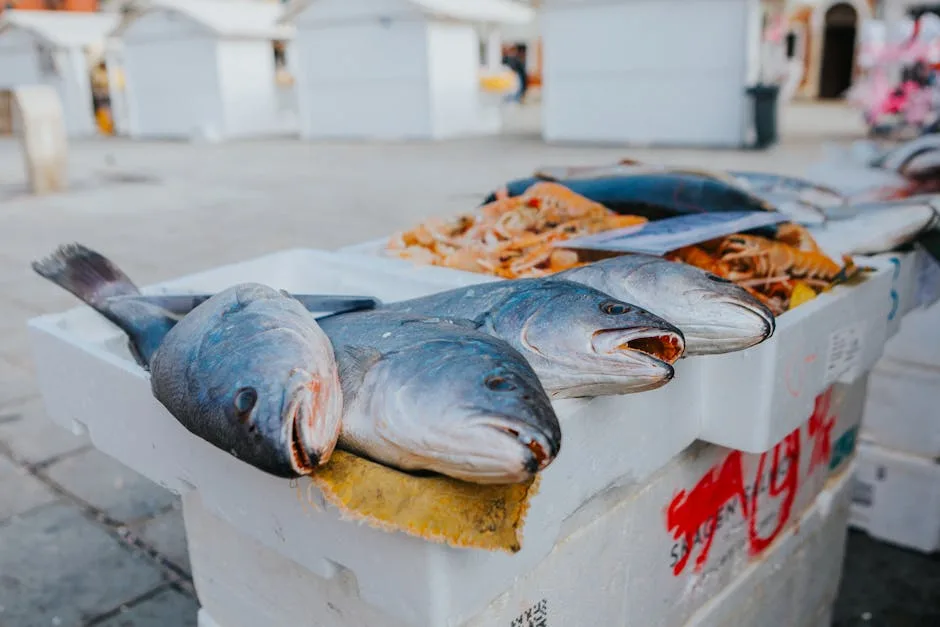
- Sardines (Sarde/Arselle): often sold in batches for €3.00–6.00 per kilo. Very common in spring and summer — perfect for grilling or small fried dishes.
- Anchovies (Acciughe): €8.00–15.00 per kilo depending on size and freshness. Try them marinated (‘acciughe marinate’) or preserved in oil.
- Cuttlefish (Seppie): €6.00–14.00 per kilo. Great in risotto or grilled on a plancha.
- Squid (Calamari): €8.00–18.00 per kilo for fresh specimens. Small squid are ideal for frying.
- Sea bream (Orate): €12.00–25.00 per kilo. Common in summer; excellent oven-roasted with herbs.
- Lobster and shellfish (Aragoste, Gamberi): prices vary, roughly €20.00–50.00 per kilo depending on species and origin.
- Flatfish (Sogliola, Rombo): €15.00–30.00 per kilo for premium pieces.
Prices are often negotiable if you buy in volume or strike up a friendly chat with the vendor. Local restaurants sometimes buy directly at the market — if you spot a chef selecting fish, ask for their advice; it’s often the best way to pick the right product for your recipe.
Seasonality and freshness:
- Spring: lots of sardines and anchovies; cuttlefish start to appear.
- Summer: greater variety (sea bream, small tuna, squid); tourist season makes the stalls livelier.
- Autumn: good for shellfish and certain deep-water catches; fishing activity can be quite dynamic.
- Winter: despite the cold, some boats still bring in high-quality catches; favor the covered fish halls.
Buying tips:
- Check the fish’s eyes: they should be bright and clear.
- The flesh should be firm; press lightly with a finger to test elasticity.
- To keep fish for a few hours, bring a cooler or ask the fishmonger to pack it with ice. Waterfront shops often offer ice packing for an extra €1–3.
- If you’re buying for a restaurant or a place without a kitchen, ask the seller to gut or fillet the fish — this service usually costs €2–10 depending on size.
People you’ll meet at the market — portraits, customs and how to strike up a conversation
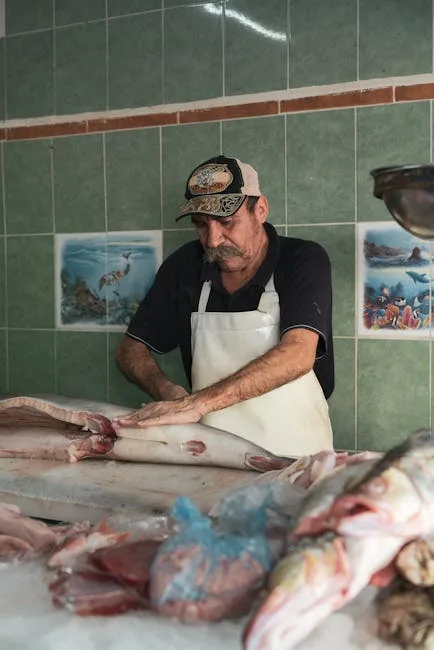
The fish market is a social microcosm where each character plays a defined role: the old fisherman who claims a patch of quay, the energetic fishmonger who knows every local recipe, the hurried chef buying kilos for service, and the curious foreign photographer attracted by textures and light. Here are common portraits and tips for connecting with them:
The « vecchio pescatore » — the old sailor
Portrait: often quiet, wearing a worn cap and a oilskin jacket, he speaks little but knows everything about the gulf. He’ll tell you the best hour to catch a particular species or the legend of an exceptional haul. To get a good price or the best fish, respect his morning routine and arrive early.
Tip: greet him in Italian or the local dialect (« Buongiorno » / « Buon dì ») and ask a technical question (e.g. « When are cuttlefish at their best? ») to start a conversation.
The energetic fishmonger
Portrait: tireless and expressive, she arranges fish with flair and often offers small ready-to-cook portions. Her kindness can quickly turn firm when it comes to defending her product’s quality.
Tip: be specific in your request (quantity, desired preparation). Most offer cleaning services and can recommend a local recipe (for example, « seppie in umido » — cuttlefish in a sauce). Clarify whether filleting is included in the price before buying.
The restaurant chef
Portrait: usually in a hurry and very methodical, negotiating by the kilo. Watching a chef at work is a lesson in how much Triestine and Adriatic cooking depend on fresh ingredients.
Tip: if you’re curious, ask for a cooking tip; chefs will often share a quick trick or recommend a local white wine pairing (e.g. Vitovska, a regional white, €12–25 a bottle in restaurants).
Other social uses:
- Recipe swapping: many vendors share simple recipes (grills, fries, risottos) — jot them down or record them.
- Mini-lessons: some fishmongers will demonstrate filleting or skinning techniques for €5–15 depending on length.
- Direct sales to restaurants: note how prices drop when buying by the kilo; group purchases can be cost-effective.
Around the market — where to eat, drink and extend the experience
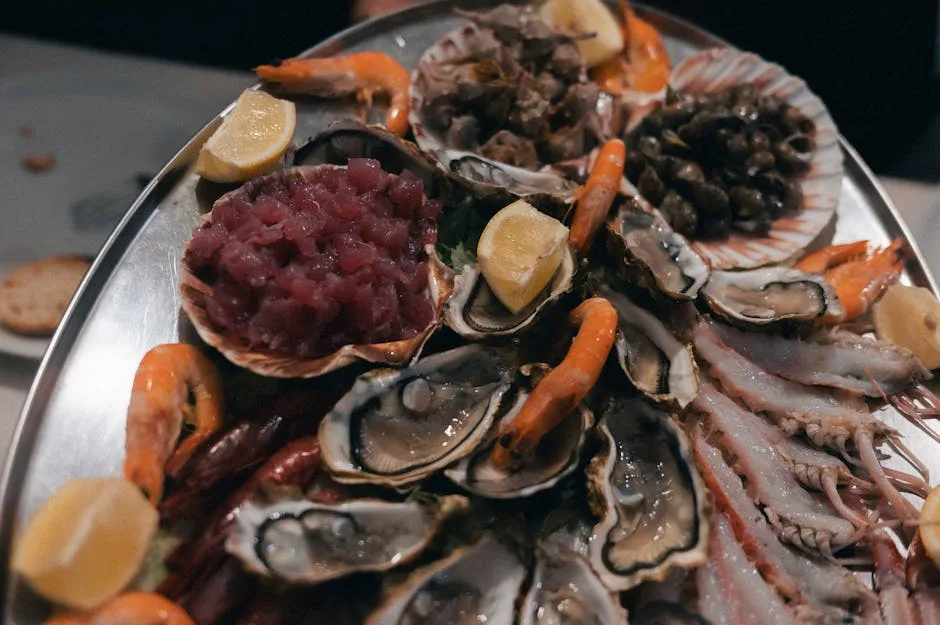
After the market, continue your culinary route at spots that highlight the freshness of the catch. Here’s a selection of restaurants and fish shops with addresses, opening hours and price ranges to guide your visit:
- Trattoria al Porto – Via Armando Diaz 4, 34123 Trieste: a small family-run place 150m from the market, open 12:00–15:00 and 19:00–22:30. Mixed fried seafood plate: around €14–18. Specialties: frittura mista and sea antipasti.
- Osteria Da Giovanni – Riva Tre Novembre 12, 34131 Trieste: friendly atmosphere, open 11:30–14:30 and 18:30–23:00. Main dishes featuring cuttlefish or sea bream: €16–28.
- Pescheria del Porto – Riva Nazario Sauro 3, 34123 Trieste: a fish shop-restaurant offering prepared dishes all day, open 08:00–20:00. Tasting plates of fresh fish: €10–20.
- Caffè San Giacomo – Piazza San Giacomo 2, 34121 Trieste: perfect for a coffee after your visit, open from 07:00. Cappuccino: €1.20–1.80.
Tasting tips:
- Request simple cooking methods to appreciate freshness: grilled, steamed or lightly fried fish.
- Pair your dish with local wines: Vitovska (white), Malvasia Istriana (aromatic white) or a regional rosé. Bottles: €12–30 in restaurants, €7–15 in shops.
- Carry small change for purchases; some fish stalls accept cards but morning transactions are often cash-based.
Practical tips, safety and buying ethically
Visiting a fish market requires responsibility and preparation. Here are clear recommendations to respect the local community, ensure responsible consumption and secure your purchases:
- Respect seasonality: Check which species are protected or in breeding season. Buy seasonal fish to support sustainable fishing practices.
- Hygiene: Prefer stalls where fish sits on fresh ice. If buying in bulk, ask for insulated packing (€1–3) or a temporary cooler some vendors provide.
- Packing and transport: If you’re traveling onward, request vacuum sealing (service €5–15) to extend freshness and make transport easier in refrigerated luggage.
- Bargaining: Haggling is acceptable but always in good spirit. A smile and a compliment about the quality often score you a small discount.
- Personal safety: Quays can be slippery in the morning; wear closed, non-slip shoes. Be mindful of busy times with carts and trucks moving about.
- Ethics: Avoid buying juvenile specimens or prohibited species. Don’t hesitate to ask about origin — proud vendors will gladly tell you where their catch came from.
For a deeper immersion, check with the Trieste tourist office (Ufficio Turistico — Piazza Unità d’Italia, 34121 Trieste; phone +39 040 675 4344; typical hours 09:00–18:00) about themed port tours that sometimes include stops at fishmongers and tastings. Some excursions offer a filleting demonstration and a small cooking workshop (average price €25–45 per person depending on the package).
Conclusion: Take the market’s spirit home with you
Trieste’s fish market is more than a place to buy seafood; it’s a school of learning, sharing and cultural rootedness. Arrive at dawn and you’ll witness the daily ritual where freshness rules and every seller has a story. The places listed (Pescheria all’aperto – Riva Nazario Sauro 1, Mercato Ittico all’ingrosso – Via dei Legnami 7, Pescheria Coperta – Riva Tre Novembre 8) are useful starting points for planning your visit, but it’s the people — fishermen, fishmongers, chefs — who truly give the experience its soul.
To extend your visit, linger over a simple plate at a nearby trattoria (Trattoria al Porto, Via Armando Diaz 4; Osteria Da Giovanni, Riva Tre Novembre 12) and try to learn a few hands-on skills: how to fillet a fish, how to recognize a fresh sea bream, or how to prepare an anchovy marinade. These know-how tips, passed along at the market counter, are local treasures you can take home with your freshly purchased fish.
Remember: the best time to experience the market is at dawn — between 05:00 and 09:00 the place hums, transactions happen live and the atmosphere feels most authentic. Respect hygiene and ethical rules, bargain courteously, and don’t be shy about asking questions — Triestines are often happy to share their knowledge. Follow these tips and your visit to Trieste’s fish market will become not just a feast for the senses but a lasting lesson in maritime culture that will enrich your time on the Adriatic.