





Introduction — Walking Between Sea and History: Why You Should Explore Trieste on Foot
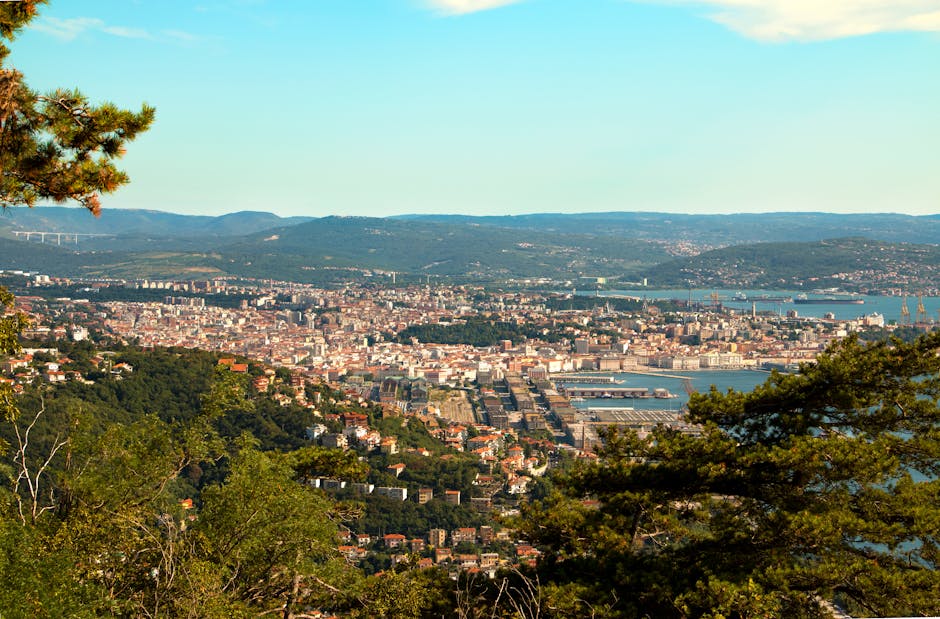
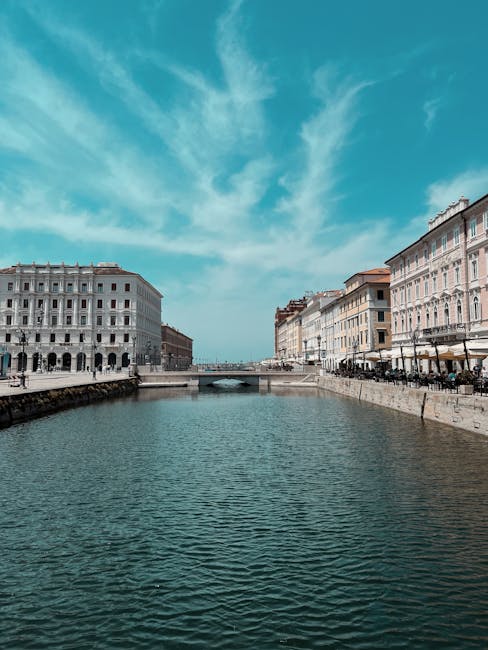
Trieste sits at a maritime crossroads of Latin, Germanic and Slavic cultures, hugged by an Adriatic coast that alternates between rocky coves, broad promenades and working harbors turned strolling spots. For the curious traveler, the best way to feel Trieste’s spirit is on foot: every alley, quay and headland tells a story of trade, emigration, steaming espresso cups and salty breezes. This guide focuses on lesser-known maritime neighborhoods — the ones that escape the big tourist routes and offer lively walks, intimate viewpoints and cafés rooted in local memory.
Walking lets you sense the gradual shift from the urban core, with its Austro-Hungarian palaces, to the shoreline, where the sea shapes both the views and daily life. Trieste has busy hubs (Piazza Unità d’Italia, Molo Audace) but also charming edges: fishing villages, former dock basins converted into promenades, rocks used by families in summer and cafés where an espresso at the bar costs under two euros. Often, the most authentic experiences on foot are found in these quieter, less showy places.
This practical, sensory guide presents several maritime neighborhoods in Trieste to explore exclusively on foot. For each one you’ll find exact addresses, useful hours, entrance fees when museums or sites are involved, immersive descriptions and local tips: where to stop for a drink, which alley to favor at sunset, which stairway leads down to a sheltered cove. I’ve picked routes and micro-areas that link easily by walking or short transport hops, so you can compose your own day on foot at your own pace.
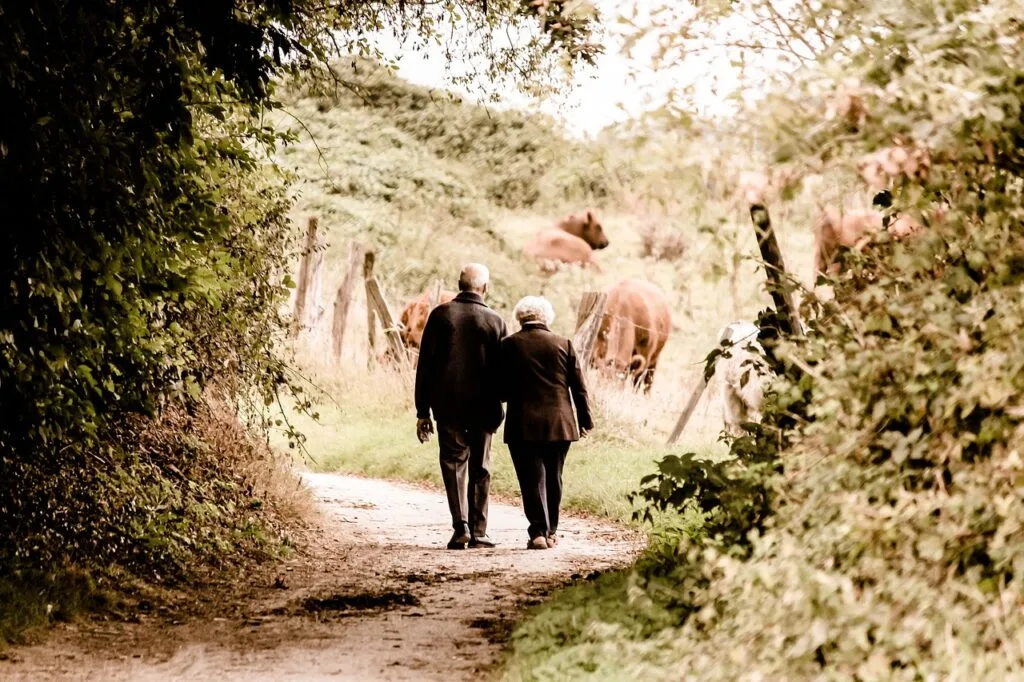
Walking in Trieste is also an invitation to slow down: climb stairs, rest on benches, watch the boats and listen to port voices. Seasons change the experience — summer fills the rocks with people, winter reveals lonelier vistas — but walking remains the perfect way to discover the city’s maritime contrasts. This guide emphasizes pedestrian exploration, with concrete recommendations (addresses, prices, hours) to help you plan and make the most of your discoveries.
1. Borgo Teresiano and the Historic Seafront (Borgo Teresiano & Molo Audace)
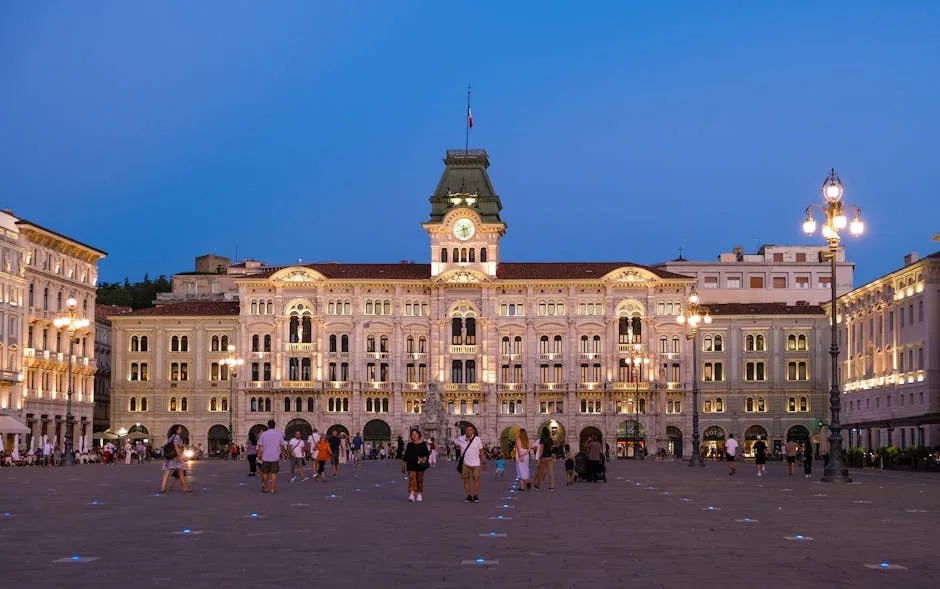
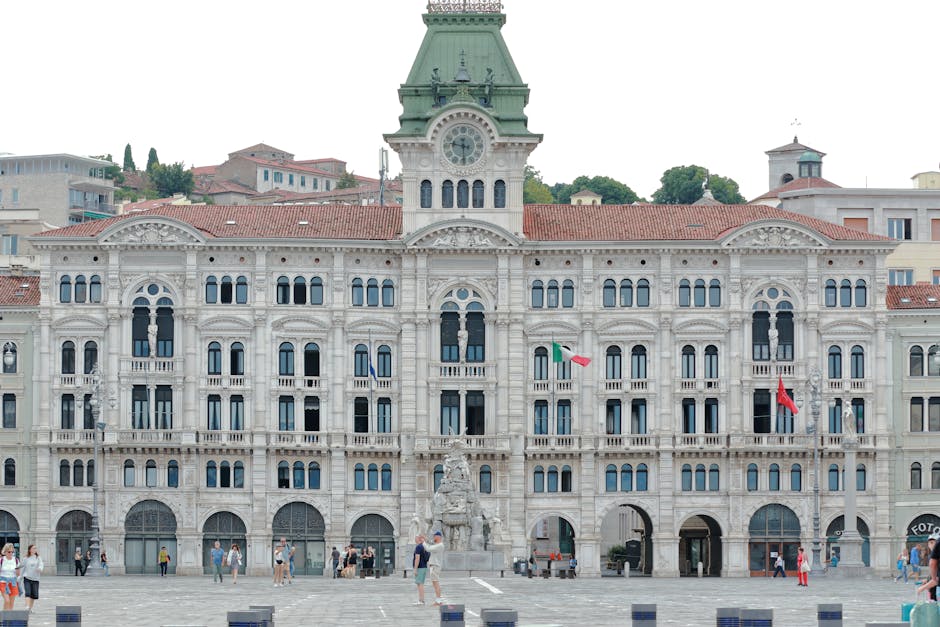
Borgo Teresiano is the neighborhood built under Emperor Joseph II and reshaped during Maria Theresa’s reign: its wide orthogonal streets, neoclassical façades and quays form the backbone of Trieste’s seafront. Start your walk at Piazza Unità d’Italia (34121 Trieste), the large square opening onto the sea; it’s the city’s visual anchor. From there, head down to the Molo Audace (Molo Audace, 34121 Trieste), the iconic pier jutting into the bay: it’s free to stroll, open at all hours and magical at sunrise and sunset.
Useful address: Ufficio Informazioni Turistiche – IAT Trieste, Piazza Unità d’Italia 4, 34121 Trieste — for maps and brochures. Opening hours: usually 09:00–18:00, season-dependent. Free to consult.
Nearby are the Porto Vecchio and the Riva del Mandracchio (Riva del Mandracchio, 34123 Trieste), areas where traditional port activity gives way to repurposed warehouses and modern cafés. Take time to wander the little streets that run perpendicular, like Via San Nicolò and Via della Borsa, home to historic cafés (a typical espresso at the bar costs between €1.10 and €1.80) and pastry shops.
For maritime museum fans, the Museo del Mare di Trieste / Museo Nazionale della Prima Guerra Mondiale is nearby (check the local sign for temporary exhibitions). Address: Riva Tre Novembre, 34123 Trieste. Entrance fee: varies with exhibitions, roughly €5.00–€12.00; opening hours often 10:00–17:00 or 10:00–18:00, closed Mondays off-season — check the official site before you go.
Local tips:
- Avoid the Riva at peak times if you want quiet: early morning (07:00–09:00) is perfect for a peaceful stroll.
- Stop at Caffè degli Specchi, Piazza Unità d’Italia 4, for a coffee in a historical setting: espresso ~€1.80 seated, €0.90–€1.20 at the bar. Hours: 07:30–20:00.
- For seafront photos, climb onto the low wall near Molo Audace to capture the row of façades and the reflections on the water.
Suggested walk
Walking route (1.5–2 hours, easy): Piazza Unità → Molo Audace → Riva del Mandracchio → Via San Nicolò → the minor streets of Borgo Teresiano → coffee at the bar. This loop blends architecture, port life and tasty stops, and is accessible year-round.
2. La Cavana: The Fishermen’s Quarter and Intimate Alleyways
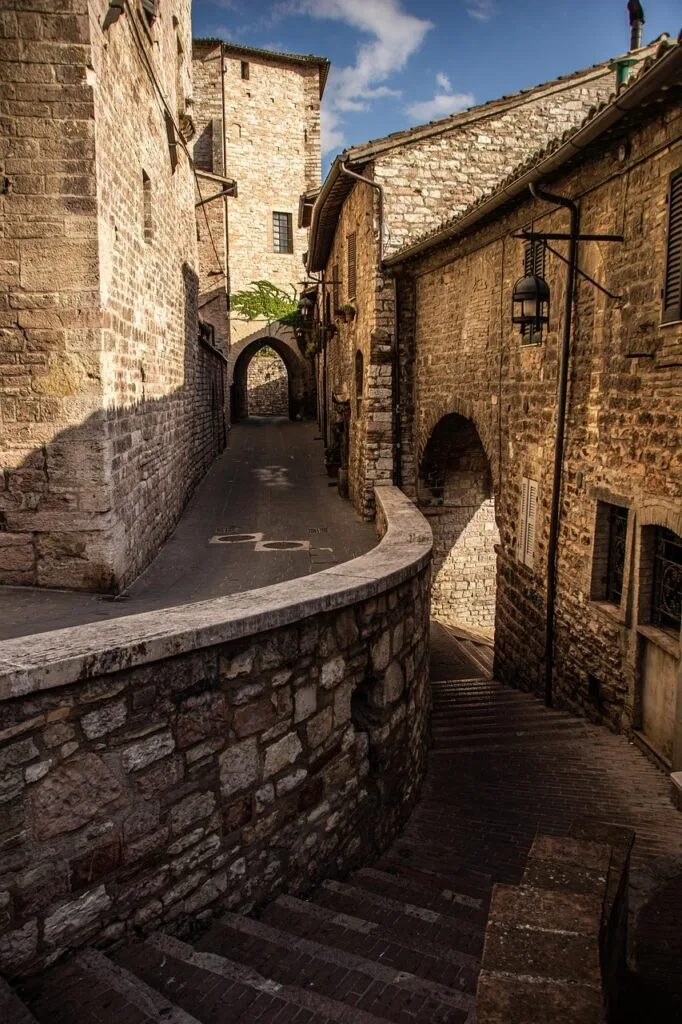
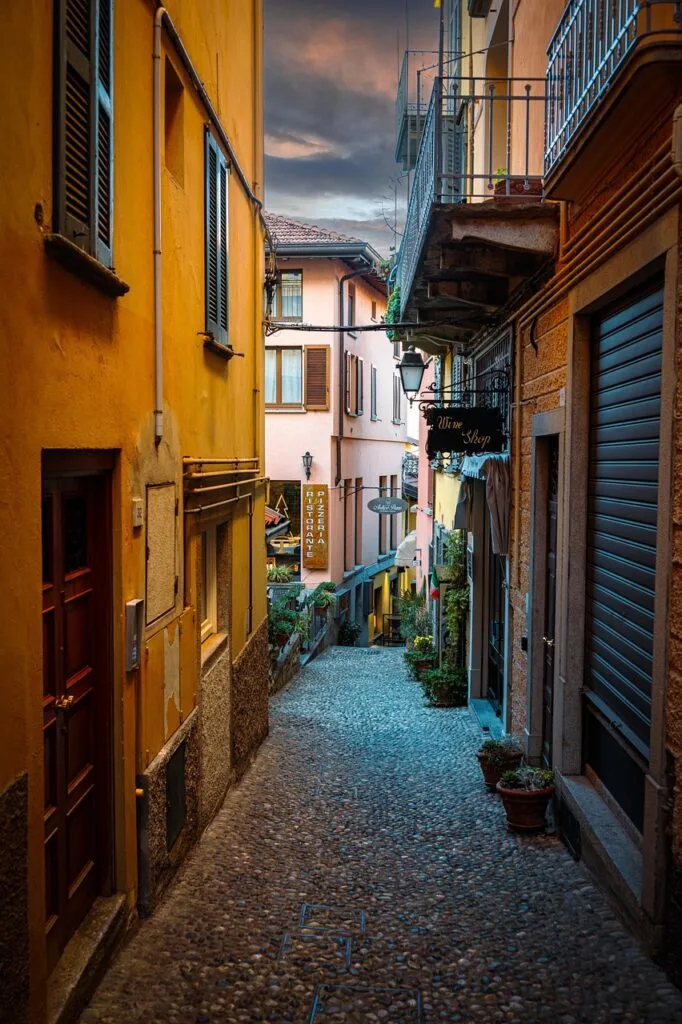
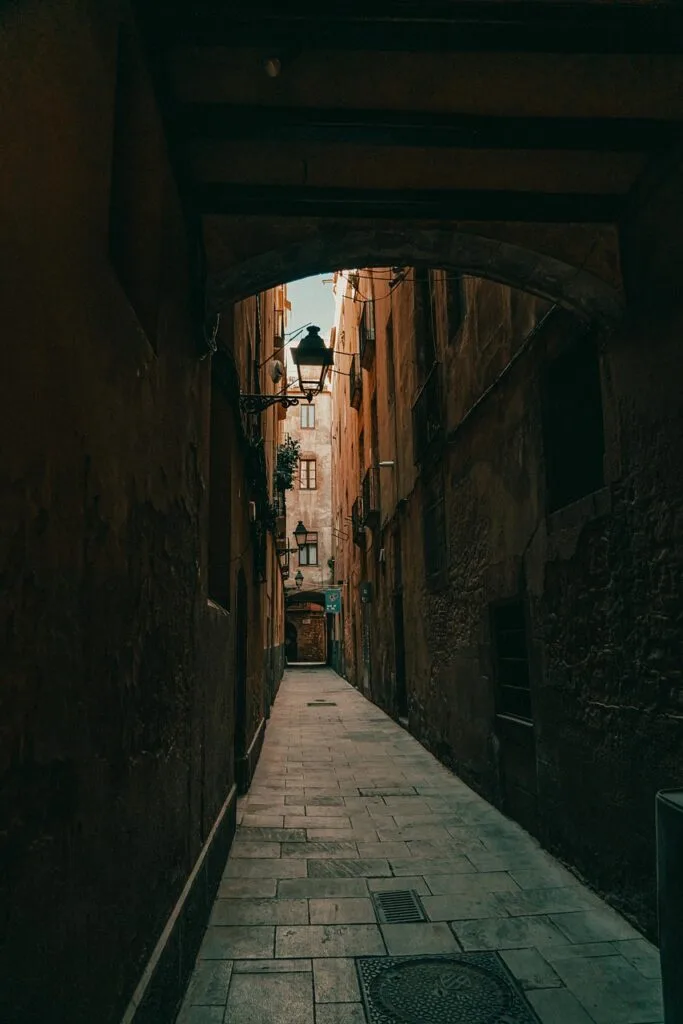
La Cavana is the neighborhood that still holds the most of Trieste’s popular maritime soul: located at the entrance of Porto Vecchio, it was, until the 20th century, home to sailors, fishermen and dockworkers. Today La Cavana is a maze of narrow streets, small squares and low colorful houses where time feels denser. The central reference point is Via P. Hortis / Piazza della Cavana (34124 Trieste). It’s a quarter to discover slowly, aimlessly even, stopping to listen to conversations, spot weathered flags and find artisan workshops.
Points of interest and practical info:
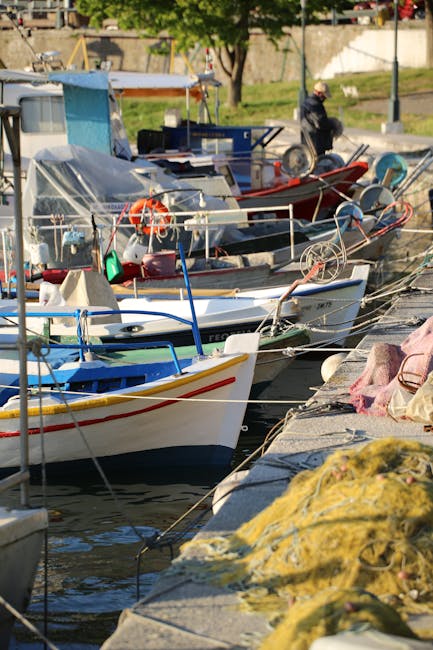
- Porto Vecchio (inner docks) — Riva Tre Novembre, 34123 Trieste: free access. Walk along the docks and spot local boats, small shipyards and slips.
- Chiesa di San Nicolò dei Greci, Via San Nicolò 3, 34123 Trieste — a small historic church sometimes open for mass. Check local times; entrance free though donations are welcome.
- Trattoria Alla Zucca (example of a local spot), Via della Cavana 5 — seafood mains from about €12.00, typical hours 12:00–15:00 and 19:00–22:30. (Reservations advised on summer evenings.)
Immersive description: walking over uneven stone slabs you smell smoked fish and seaweed mixed with coffee. Windows open onto balconies where nets and shirts dry. Some houses still have maritime trade signs, and stone steps lead to small terraces overlooking the basins. In the afternoon La Cavana buzzes with chatter and songs in dialect; at night it becomes intimate, with family-run restaurants and local wine bars.
Local tips:
- Wear closed, non-slip shoes: certain streets and steps get slippery when wet.
- Ask trattoria owners about the daily special: small fresh fish are often the best choice.
- For an authentic photo, head down to the docks early morning (06:30–08:30) to capture fishermen at work and the low-angle light.
3. Barcola and the Seafront Promenade: Rocks, Swimming and Coastal Views
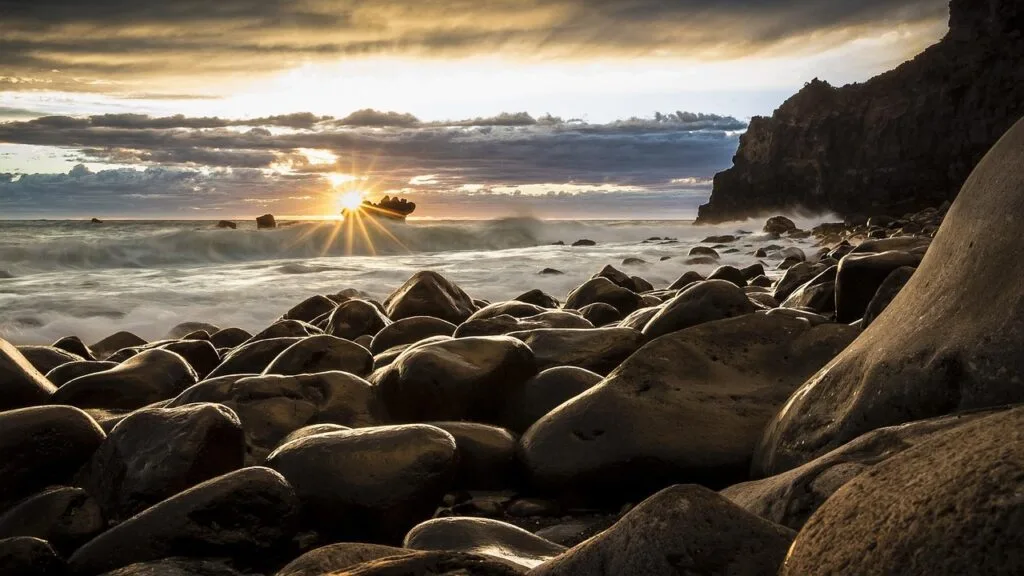
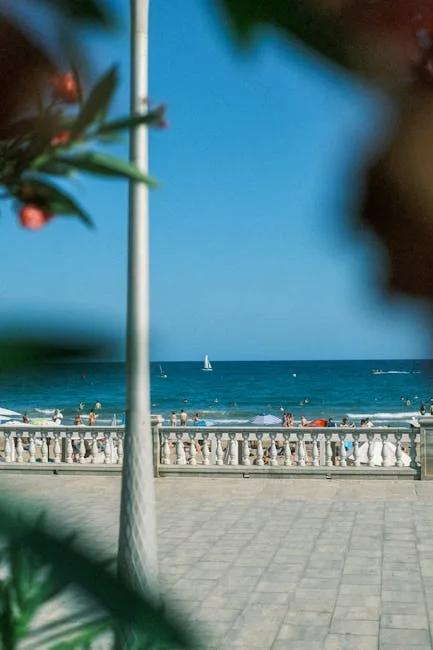
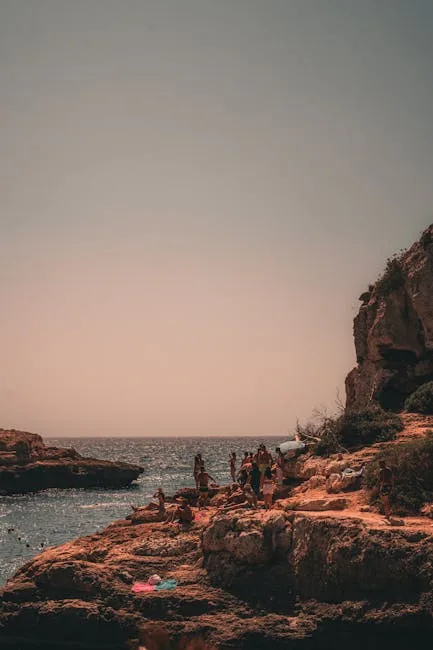
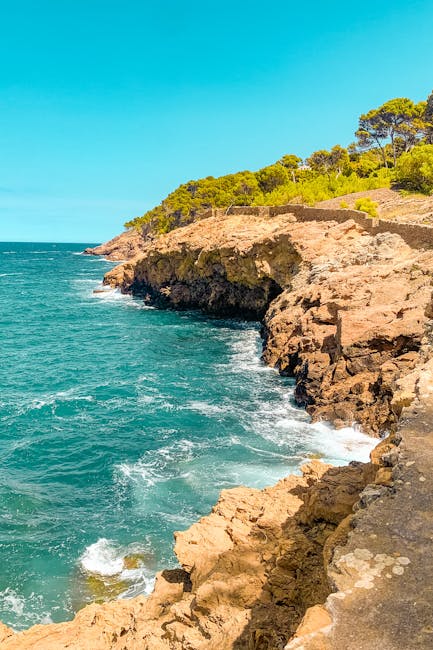
Barcola is the long coastal promenade west of Trieste, stretching roughly 4 kilometers along the gulf. Reference address: Lungomare di Barcola, 34151 Trieste. This spot is hugely popular with locals for sunbathing on the rocks, swimming, jogging, cycling and evening aperitifs. Unlike sandy beaches, Barcola offers stone slabs and platforms where people sunbathe, dive straight into the sea and enjoy unobstructed views of the horizon.
Access and services:
- Accessibility: the promenade is pedestrian-friendly and reachable on foot from the train station in about 40–50 minutes (mostly flat).
- Transport: urban buses ACTV lines No. 6/36 (seasonal) — check ACTV Trieste schedules. Single bus ticket around €1.30 (buy at kiosks or via app).
- Amenities: seasonal kiosks selling drinks and snacks (cold drink prices €2.50–€5.00), public showers at certain points, sometimes paid toilets.
Sensory experience: walking the promenade you feel the salt more intensely, accompanied by gull cries and the lap of waves on the rocks. The coast’s layered geology creates small natural pools where children play in summer. The path offers several viewpoints perfect for watching the Adriatic at sunset — especially on clear days when you can make out the Croatian coastline on the horizon.
Local tips:
- Arrive early in summer if you want a sunny spot on the slabs; locals secure their places from morning.
- Bring water shoes to climb down onto the rocks and avoid cuts; the water is clear but the seabed is rocky.
- For a drink with a view, try the Chiosco Barcola near Punto Rovere (a small seasonal kiosk): aperitif prices €5.00–€8.00 depending on the drink. Hours often 09:00–22:00 in high season.
Recommended walking route
Route (2–3 hours, easy): from the Bastione di San Giusto (center) follow Via di Barcola or take the bus to Barcola and stroll northwest along the promenade to the viewpoint at Punto Rovere. Stop for a swim and a picnic on the slabs, then return along the coast. Bring water, a towel and water shoes.
4. Muggia and the Eastern Shore: Fishing Village, Fortifications and a Short Sea Crossing
Muggia is a small Italian port town east of Trieste, on the other side of the gulf; technically outside Trieste’s center but easily reached for a day trip by foot combined with a short boat crossing. Muggia retains a medieval old town, fortifications and marine lanes that echo its maritime past. For walkers, the recommended option is to leave Trieste, cross by ferry (or combine bus + short ride) and explore Muggia on foot.
Practical info:
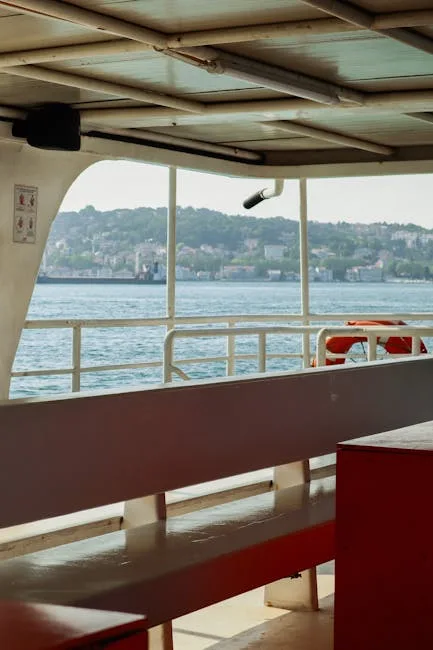
- Ferry boarding: Servizio Navetta Trieste–Muggia, departures from Molo Audace / Riva del Mandracchio depending on season. Indicative one-way price: €4.50–€6.00 per person. Duration: about 30–40 minutes depending on the service. Multiple daily rotations, busy in summer; check the local company’s schedule.
- Useful address in Muggia: Piazza Marconi 1, 34015 Muggia TS — tourist information office. Hours vary by season.
- Walking visit: Muggia’s centro storico can be explored in 1.5–2 hours; highlights include the Fortezza di Muggia (medieval fortress), Chiesa di Santa Maria Assunta (main square), the small harbor and the seaside promenade.
Immersive description: stepping ashore in Muggia you immediately sense a slower tempo than Trieste: colorful boats, cafés where fishermen gather, stone façades and lively small squares. Venetian and Istrian influences show in the architecture and cuisine — expect simply prepared fish specialties seasoned with olive oil, lemon and local herbs.
Local tips:
- Return to Trieste in the late afternoon to avoid the evening ferry rush; you’ll have time for a stroll, lunch and a few visits.
- Try the local “sopa di pesce” or grilled sardines: mains cost roughly €12.00–€18.00 depending on the restaurant.
- If time allows, follow the coastal path from Muggia to the small headland for views over the bay and back toward Trieste.
5. Miramare and the Riviera di Levante: Castle, Parks and Sea Viewpoints
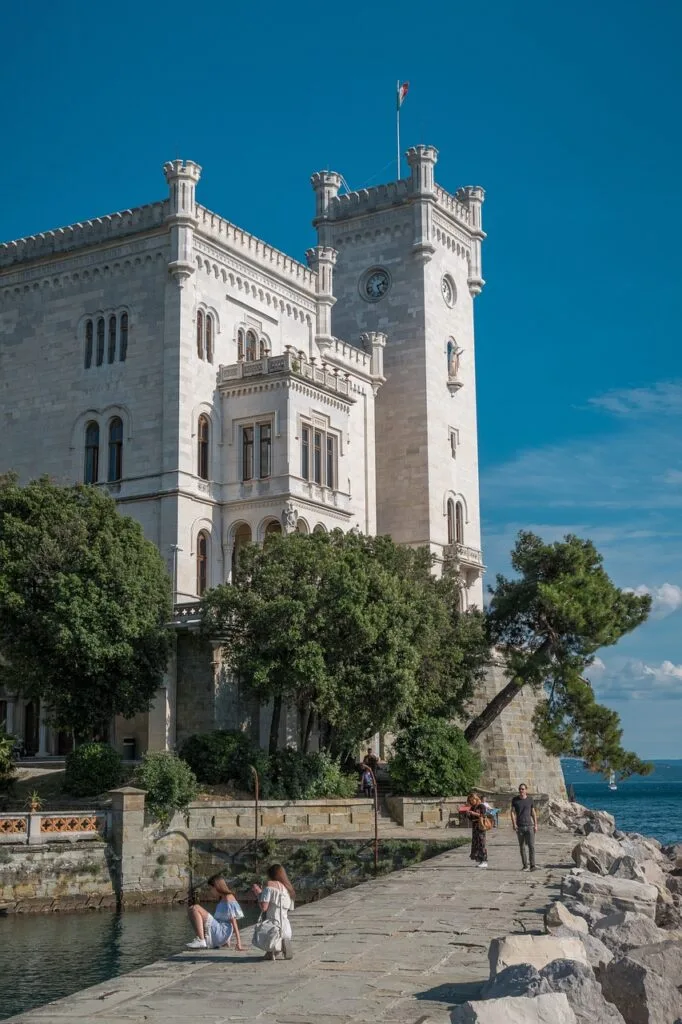
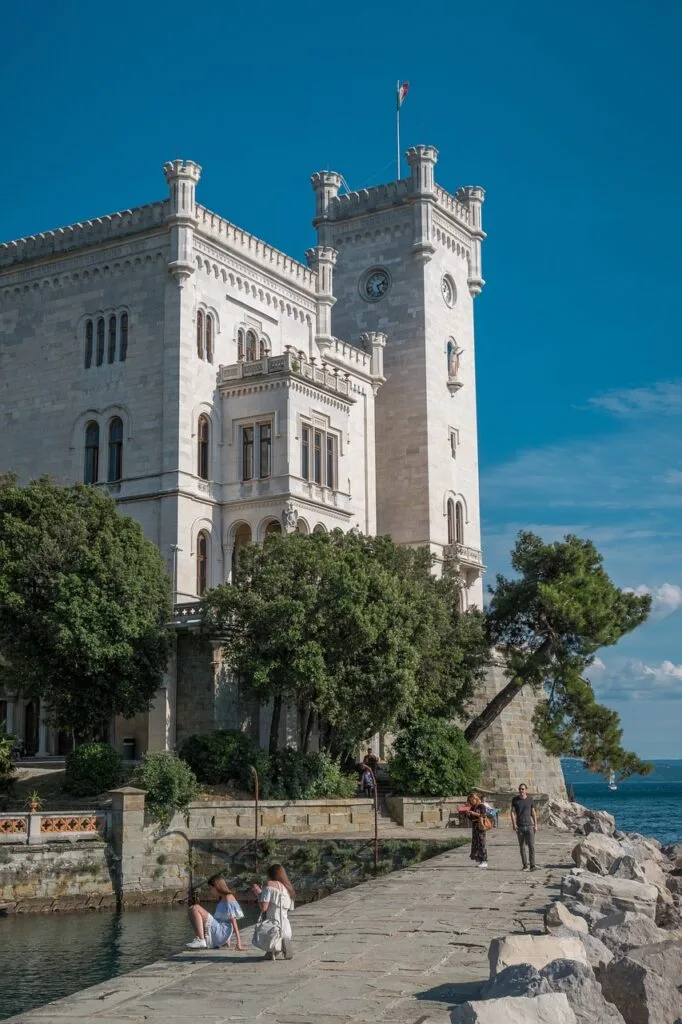
Castello di Miramare is often mentioned in guides, but the whole area and its coastline deserve a slow, on-foot exploration to discover coves, shaded walks and wide maritime panoramas. Castle address: Castello di Miramare, Viale Miramare 1, 34151 Trieste. The castle sits at the tip of a rocky promontory surrounded by a rich botanical park.
Practical details:
- Castle and museum prices (indicative): adult ticket around €9.00–€12.00; reduced fares (students, seniors) €6.00–€8.00. Tickets available on site and often online to avoid queues. Hours: generally 09:00–19:00 in high season, reduced in low season; closed on some holidays — check the official website.
- Getting there: city bus No. 6 from Trieste center (about 25–30 minutes) or a 1h15–1h30 walk along the coast for keen walkers; single bus ticket ~€1.30.
- On-site services: park café, restrooms, waymarked trails; you may also find a small naval museum if it’s open.
On-foot experience: first wander the paths of Parco di Miramare to admire the botanical collection (palms, exotic plants and sea views). Then circumnavigate the promontory to find small coves and rocky platforms where locals swim. The terrain offers multiple viewpoints to photograph the castle from outside and the surrounding bay. Morning or late-afternoon light is best to bring out the warm tones of the white stone and the deep blue of the sea.
Local tips:
- Buy tickets online if visiting in high season to avoid queues (official Castello di Miramare website).
- Bring a light jacket: it can be breezy on the promontory even in summer.
- For a more scenic approach, consider walking from Barcola: it makes a lovely coastal link if you want to extend your stroll.
Extended walk
Recommended half-day: start in Barcola → walk along the coast toward Miramare (approx. 1–1.5 h depending on your pace) → visit Castello di Miramare (1–2 h) → return by bus or continue on toward the Riviera di Levante. Bring water, a hat and sunglasses; there are shady spots in the park but coastal paths are exposed.
Conclusion — Exploring Trieste on Foot: Practical Tips and Mixed Itineraries
Trieste is wonderfully suited to on-foot and maritime exploration: the neighborhoods in this guide offer distinct atmospheres, from the formal seafront of Borgo Teresiano to the intimate popular feeling of La Cavana, from Barcola’s bathing slabs and promenades to Miramare’s botanical, romantic headlands — and don’t forget the excursion to Muggia across the gulf. Walking here means accepting coastal variations (rocks, stairs, cobbles) and enjoying a city where the sea structures daily life. By combining these neighborhoods you can create very different days: a cultural morning in Borgo Teresiano, a seafood lunch in La Cavana, an afternoon swim at Barcola, or a pastoral escape to Miramare.
Final practical recommendations:
- Shoes: favor comfortable, non-slip footwear; for Barcola and Miramare consider water sandals to go down onto the rocks.
- Tickets and schedules: for Miramare and some museums, buy or reserve online during high season; for ferries to Muggia check the day’s schedule (winds or works can change rotations).
- Food: enjoy local trattorie to taste Adriatic cooking (seafood, risottos, polenta) — a main course typically around €12.00–€20.00 in family-style places.
- Seasonality: summer is busy around bathing areas; spring and autumn offer exceptional light and fewer crowds for walks.
- Safety and respect: respect private stretches of coastline, don’t leave litter and pay attention to tides and wind when swimming on rock.
In short, discovering Trieste’s lesser-known maritime neighborhoods on foot is an invitation to write your own story: stop for a coffee at the bar, claim a slab at Barcola to watch the sea, cross to Muggia to feel a different rhythm, and intentionally get lost in La Cavana to hear the dialect and find a family-run trattoria. Every step reveals another facet of Trieste’s unique relationship with the sea — a city meant to be felt with your feet and your eyes. Happy walking!