





Introduction — The colorful little streets only locals really know in Trieste
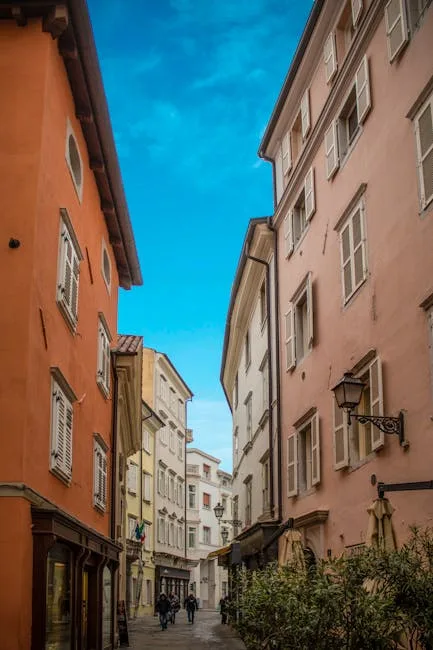
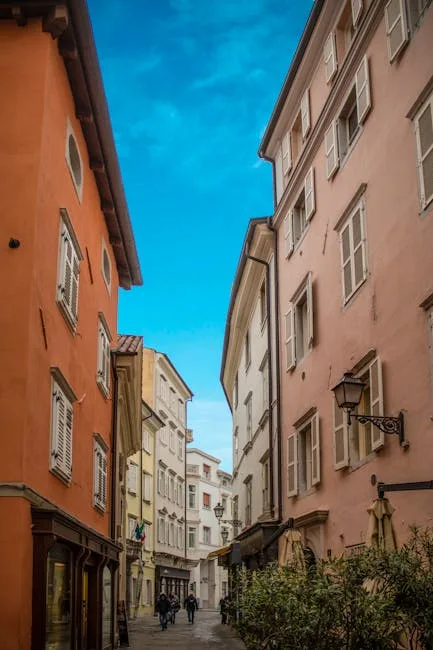
Trieste unfolds like a city of borders: between sea and hills, between Austro-Hungarian, Slovenian and Italian influences, between literary cafés and repurposed industrial ports. While the grandeur of Piazza Unità d’Italia, the blue gulf and Miramare Castle naturally draw attention, it’s the narrow little streets, often tucked behind an unassuming facade, that hold the city’s intimate soul. These colorful lanes, sometimes paved, sometimes lined with flower-strewn balconies, carry family stories, artisan workshops, specialty grocers and cafés where time seems to slow down. They’re residents’ refuges, stages for neighborhood laughter, and spots where everyday life reveals its most charming oddities.
In this piece I’ll take you off the beaten path to explore the alleys and small streets that locals truly use. Expect immersive descriptions: the scent of coffee ground fresh in the morning, the sound of footsteps on wet cobbles after rain, hand-painted artisan signs, and tiny squares where conversations pause. I’ll give exact addresses and opening hours when the subject is cafés, workshops or small shops, plus practical tips for getting your bearings, taking the best photos and respecting neighborhood life. This guide is designed for the curious stroller who wants to feel Trieste rather than just see it, who’s happy to get lost on purpose to find themselves again.
You’ll discover lanes in the Borgo Teresiano and the Cavana, passages behind the Cathedral of San Giusto, alleys near the Roman Theatre and nooks in Barcola the guidebooks forget. I’ll also explain how to reach these spots from well-known landmarks — Piazza Unità d’Italia, Trieste Centrale train station (Stazione di Trieste Centrale, Piazza della Libertà , 34132 Trieste), or Miramare Castle — so your exploration is efficient. Finally, I’ll share insider tips: when these streets look most photogenic, where to grab a reasonably priced local coffee, rules of respect to follow (volume, photography, cleanliness) and small gestures to support local businesses.
Get ready for contrasts: ochre facades, turquoise doors, hidden frescoes, stairways climbing between two houses that open onto an unexpected view of the gulf. These colorful streets reveal a secret Trieste, away from tourist flows — and it’s in these micro-landscapes that the city’s true heartbeat is most felt. Follow along: we’ll start in the Cavana, then climb toward San Giusto, descend into the Borgo Teresiano, cross a few romantic passages and finish along the Barcola seafront, where evening light turns the facades into watercolors.
La Cavana: the colorful maze of the old port
Southeast of Piazza Unità d’Italia, the Cavana (part of the old town) is one of those microcosms where the urban fabric reveals narrow alleys and small squares with a strong identity. Begin your stroll on Via del Coroneo (near Piazza Unità, 34121 Trieste) and let yourself be led toward Vicolo delle Barche and Via del Sale, where painted facades — often touched up by local craftsmen — alternate with restoration workshops and tiny trattorie. The Cavana smells of grilled fish, olive oil and fresh herbs.
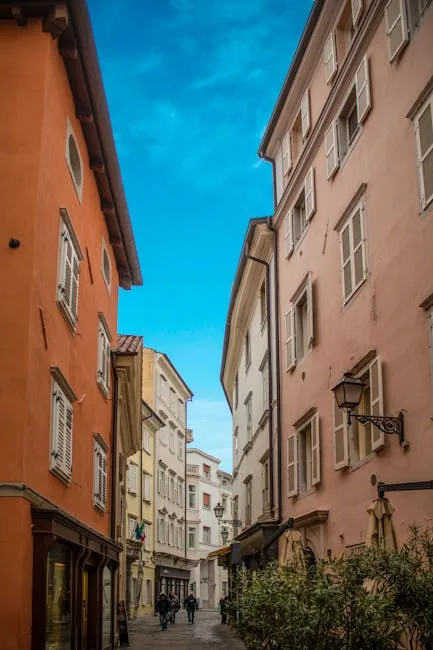
Specific highlights: the Chiesa di San Nicolò dei Greci, nearby, marks a historical boundary between communities. For an authentic coffee, head to Bar Al Vapore, Via della Città Vecchia 3 (open daily 07:00–20:00; espresso ≈ €1.10). This little counter is frequented by sailors and tradespeople. Alleys like Vicolo del Pescatore (near Via del Coroneo) display warm colors — brick-red doors, green shutters — that photographers love at dawn, when the low light catches the textures.
Practical tips: avoid the high season between noon and 3 p.m. to preserve authenticity — the Cavana can be quickly crossed by tour groups. Favor late afternoon (17:00–19:00) for warmer tones and livelier terraces. Respect private entrances — many doors are access to residences — and ask permission before photographing people. Note: some craft shops (e.g. Atelier « Bottega Pescaria », Via del Coroneo 12 — often open 10:00–13:00 and 16:00–19:00; ceramics priced €15–60) hide behind inconspicuous gates.
Getting there: from Piazza Unità d’Italia (Piazza Unità d’Italia, 34121 Trieste), walk southeast toward Via del Coroneo; it’s a 6–10 minute stroll. If you’re coming from Trieste Centrale station (Piazza della Libertà, 34132 Trieste), take bus n°6 or n°2 to « Piazza Unità » then follow the alleys southeast. Stairs and cobbles call for comfortable shoes.
Via San Nicolò and the maritime alleys: seaside facades and hidden bistros
Via San Nicolò, which starts at Piazza Unità d’Italia and gently climbs toward the Barcola area, is a well-known artery among locals but hides side alleys that slip under the radar of hurried visitors. Between numbers 10 and 30, passages like Vicolo del Malcantone or Calle dei Crisci reveal small houses painted pale yellow, pastel blue and sage green; balconies are often planted with greenery and bunting adds an almost Mediterranean touch.
Stop at Caffè degli Specchi (Piazza Unità d’Italia 4, 34121 Trieste) for an excellent espresso (espresso ≈ €1.20–1.60; open 07:30–22:00). Then walk up Via San Nicolò and turn into Vicolo del Branzino (the stretch between Via San Nicolò and the Lungomare) where a few small osterie serve fish antipasti: for example Osteria Da Marinetti, Via San Nicolò 27 (open 12:00–15:00, 19:00–23:00; antipasti ≈ €8–15). The dishes are straightforward and focused on the freshness of the sea’s catch.
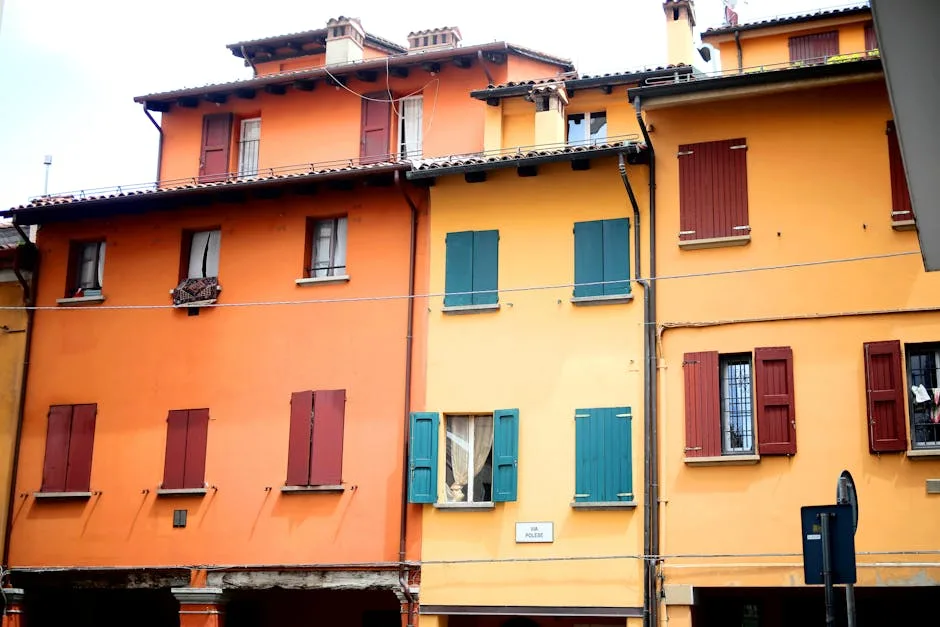
Photography and light: the best times to shoot these streets are early morning (07:00–09:00) or late afternoon (18:00–20:00), when side light flatters the facade colors and casts graphic shadows on the cobbles. When it rains, colors saturate and reflections on the stones create an almost nostalgic mood.
Local tips: if you want to buy local produce, look for small specialty shops — « Enoteca Piccola » (Via San Nicolò 21, open 10:00–13:00 and 16:00–20:00) offers Collio wines, oils and vinegars (bottles from €7). The alleys are sometimes narrow and lack sidewalks, so watch for cyclists and delivery drivers. Also respect afternoon rest times in some workshops that close for a siesta.
The steps and calli up to San Giusto: viewpoints and forgotten frescoes
The climb up to the San Giusto hill reveals a network of calli (small streets and stairways) winding between secret gardens, painted houses and workshops for embroidery or marquetry. Start your ascent from Via del Teatro Romano (near the Teatro Romano di Trieste, Via del Teatro Romano, 34121 Trieste) and take the stairs up toward Viale XX Settembre; lanes like Salita del Castello, Vicolo del Teatro and Via Capodistria will lead you to stunning bay views.
Pause at the Cathedral of San Giusto (Piazza della Cattedrale, 34121 Trieste) — opening hours 09:00–18:00, the forecourt is free to enter; parts of the cathedral may request a small donation for upkeep. From the square in front of the cathedral, the lower alleys reveal painted doors, azulejos and popular frescoes often renewed by citizen initiatives. One example: Via del Bastione, a tiny lane behind the bastion, where a mural about marine life is regularly refreshed by a local collective.
Practical advice: ascend on foot in closed shoes — many steps are uneven — and bring water in summer. If you’re looking for traditional craftwork, the « Bottega di San Giusto » (Via Capodistria 8 — open 10:00–13:00, 15:30–19:00) sells embroidered items and small handmade souvenirs (€10–80). Street corners offer perfect vantage points for panoramas: look for public benches and flower-filled balconies to compose your shots.
Borgo Teresiano: miniature canals, colorful doors and markets
The Borgo Teresiano is the urban legacy of the Austro-Hungarian era; away from the main arteries you’ll find alleys lined with art deco houses, small colorful doors and flowered inner courtyards. Wander around Riva Tre Novembre and Via Torino, then lose yourself in side streets like Via Fabio Severo and Via Carducci, where bookbinders’ shops, secondhand bookstores and old-school bistros hide.
Markets and flavors: don’t miss the Mercato Coperto di Piazza della Borsa (Piazza della Borsa, 34121 Trieste) — open Tuesday to Saturday 07:30–13:00 — where stalls offer fruit, vegetables, local cheeses (Montasio) and fish. Indicative prices: Montasio cheese €12–18/kg, seasonal vegetables €2–4/kg. Nearby, the patisserie « Dolce Trieste » (Via Torino 5, open 07:00–20:00) sells typical pastries (crostoli, strucchi) from about €1.50 each.
Atmosphere and photography: the small inner courtyards of the Borgo Teresiano are perfect for capturing neighborhood life: colorful laundry, sunbathing cats, patinated antique doors. Locals are usually welcoming if you ask permission before taking portraits. Late winter, when fruit trees start to bloom, gives the alleys a soft light and floral touches on the balconies.
Barcola and its coastal lanes: marine colors and sunset aperitivos
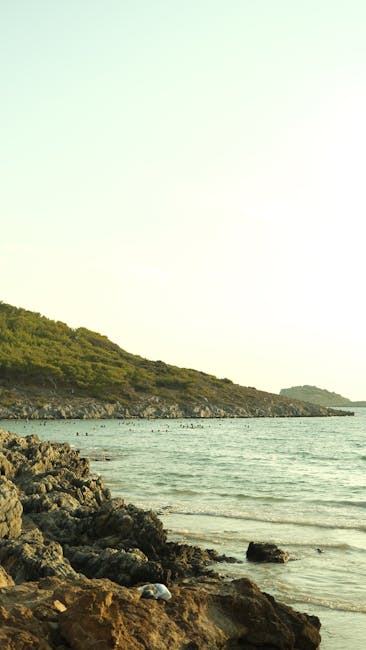
West of the center, the Barcola promenade (Lungomare di Barcola, Trieste) is famous for swimmers and rocky bathing spots, but the small streets off the seafront — Via dei Castagnoli, Via dei Longhi, Vicolo della Bagnarola — are true time capsules. Houses here often wear pastel tones, and steps lead down to little coves where locals like to spread their towels.
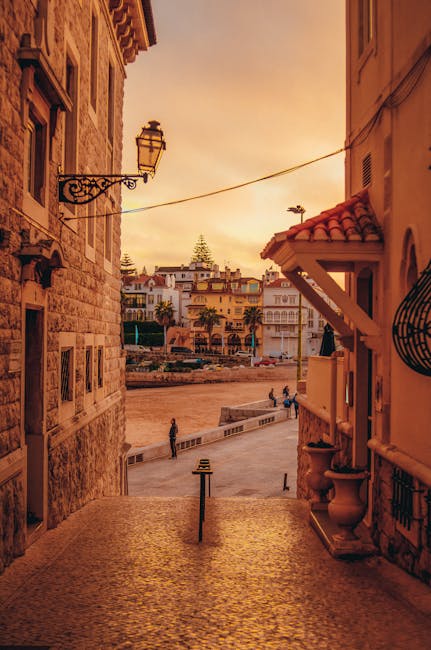
Aperitivo tip: head to Trattoria al Mare (Via Mediterraneo 12, Barcola — open 12:00–15:00 and 19:00–23:00) for a spritz at sunset (≈ €6–8) and local cicchetti. The best times for a stroll are 18:00–20:30: the light grazes the gulf and the pastel facades seem to glow. If you enjoy swimming, the public sea pools « Piscina al Mare » (Lungomare di Barcola, sections with ladders) are free and open all day in season; bring a towel and respect reserved areas.
Getting to Barcola: from Piazza Unità d’Italia, take bus n°6 toward Barcola (about 15–20 minutes); an urban ticket ≈ €1.30 (valid 75 minutes). Get off at the « Barcola » stop and explore the surrounding lanes on foot. In a car, parking is limited in summer — favor cycling or the bus.
Conclusion — Why these colorful lanes are more than a postcard
Trieste’s little colorful streets are far more than pretty photo backdrops: they’re the result of layered history, cultural exchange, artisanal know-how and a neighborhood life that persists despite tourism. Roaming the Cavana, Via San Nicolò, the steps up to San Giusto, the Borgo Teresiano and Barcola, you pass through urban micro-ecosystems where every door, sign and mural has a story to tell.
In practice, respect these places: don’t block narrow passages, ask before photographing people, and support local shops by buying a coffee, a local product or a handmade item. The opening hours I’ve listed for cafés, workshops and markets will help you plan visits. Also take your time: these streets reveal themselves best at a slow pace, by listening to conversations, noticing faded signs, mailboxes and the nails on doors that hint at old trades.
Finally, keep in mind that Trieste changes with the seasons. The alleys can be wrapped in sea mist in autumn, bathed in bright summer light, or softened by spring that makes bougainvilleas explode in color. For travelers who want to feel the city rather than photograph it superficially, these colorful streets are an invitation to patience, curiosity and respect. They offer an intimate, lived-in Trieste — everyday and deeply endearing — a city that stays with you long after you leave.