





Introduction — Trieste Up Close: Hidden Alleys, Stairways & Local Stories
Trieste is a city that rewards those who take the time: built at the crossroads of the Mediterranean, Central Europe and Balkan influences, it slowly reveals itself to the attentive walker. More than a mere port stop, Trieste mixes grand squares, literary cafés, narrow lanes where you can still hear the click of old shoes, and stairways that climb to secret viewpoints. This guide is aimed precisely at those intimate spaces — the alleys, the « gradini » and local anecdotes — to offer a different take, far from the standardized tourist routes.
Our approach is practical and sensory: exact addresses, opening hours, prices and local tips accompany immersive descriptions designed to prepare your walk on foot. Whether you stroll from Piazza Unità d’Italia to the Castello di San Giusto, gaze out across the sea from the Riva, or hunt down a historic café to write like James Joyce, this guide will walk you through it step by step. Expect to discover hidden stairways (the « scalini »), narrow cortinas (passageways) and breathtaking views, but also social stories — how the bay shaped local trades, which houses hide Austro-Hungarian façades, and why Trieste is so devoted to its caffè.
The suggested routes favor walking: Trieste is best explored on foot, stopping at concrete places, noting elevation changes and counting a few staircases that are worth the effort. We’ve included useful info like ticket prices (for monuments, typical coffee costs) and opening hours at the time of writing — do check for seasonal updates. Finally, you’ll find local tips to make the most of your visits (best times of day, rainy-day alternatives, public transport). This guide doesn’t just list sites; it invites you to listen to the city: the surf along the Riva, the rustle of pages in literary cafés, and the voices that rise when the Carso wind blows down from the heights.
1) From the Seafront to the Alleys: Piazza Unità d’Italia, the Canal Grande and the First Lanes
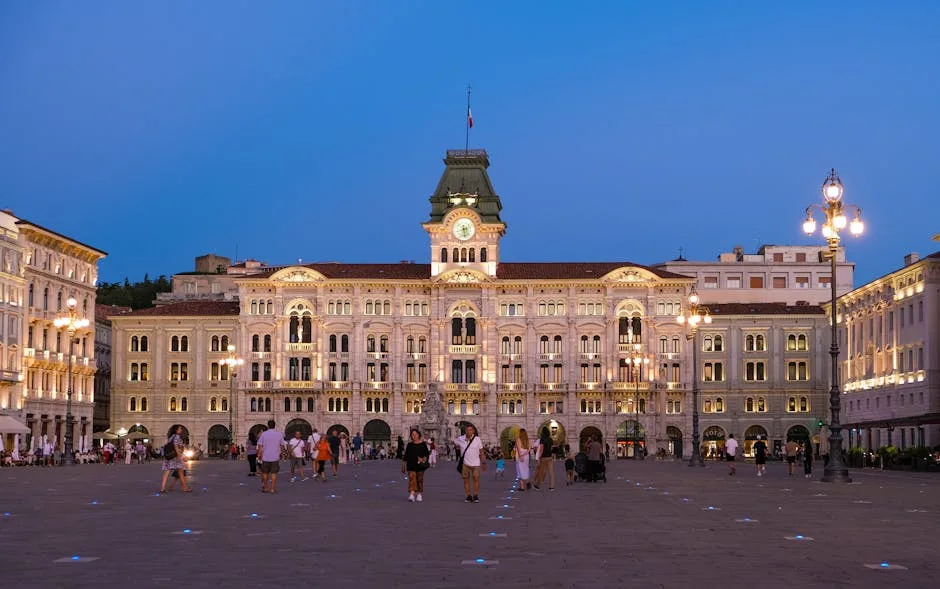
Begin your immersion at Piazza Unità d’Italia (Piazza Unità d’Italia, 34121 Trieste). The living heart of Trieste and one of the largest sea-facing squares in Europe, it’s beautiful at any hour: at dawn for soft light, during the day for urban life, and at dusk when the façades are lit up. The piazza is free and open 24/7. The buildings around it have specific names: the Prefettura (Piazza Unità d’Italia, 1), the Palazzo del Municipio (Piazza Unità d’Italia, 4) and the Palazzo del Governo (Piazza Unità d’Italia, 2). Local tip: sit on the sea side of the square and watch the ships come in — it’s a reminder of the city’s maritime past.
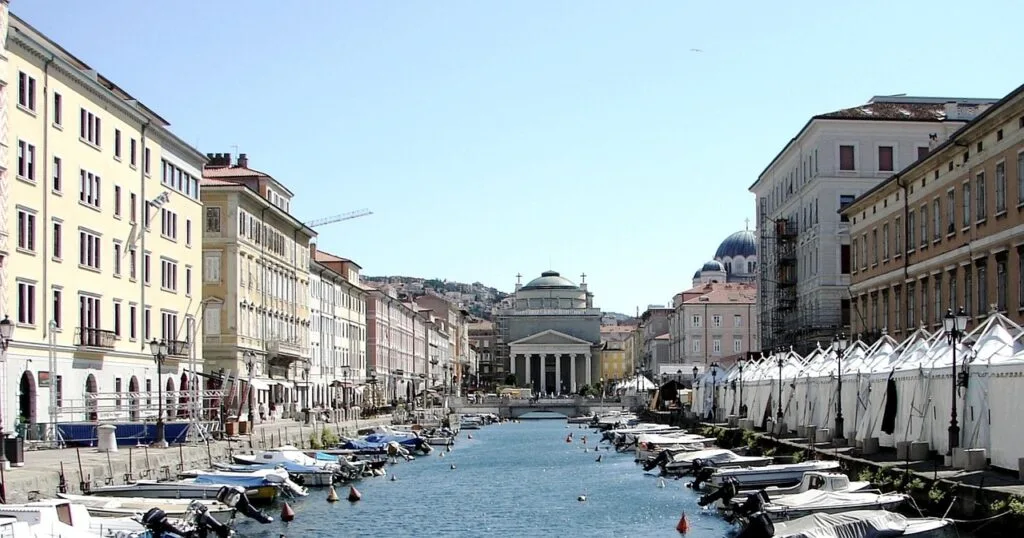
Then head down to the Canal Grande (Ponte del Ponterosso / Riva del Mandracchio): this small 19th-century urban canal creates a romantic setting with its bridges and cafés. Along the canal, stop at Caffè Tommaseo (Piazza Tommaseo, 4, 34121 Trieste) — usually open from 07:00 to 20:00 — for an espresso from around €1.20 and a cornetto for roughly €1.50–2.50. This historic café is a great spot to eavesdrop on Triestin conversations, often peppered with Italian, German and Slovene.
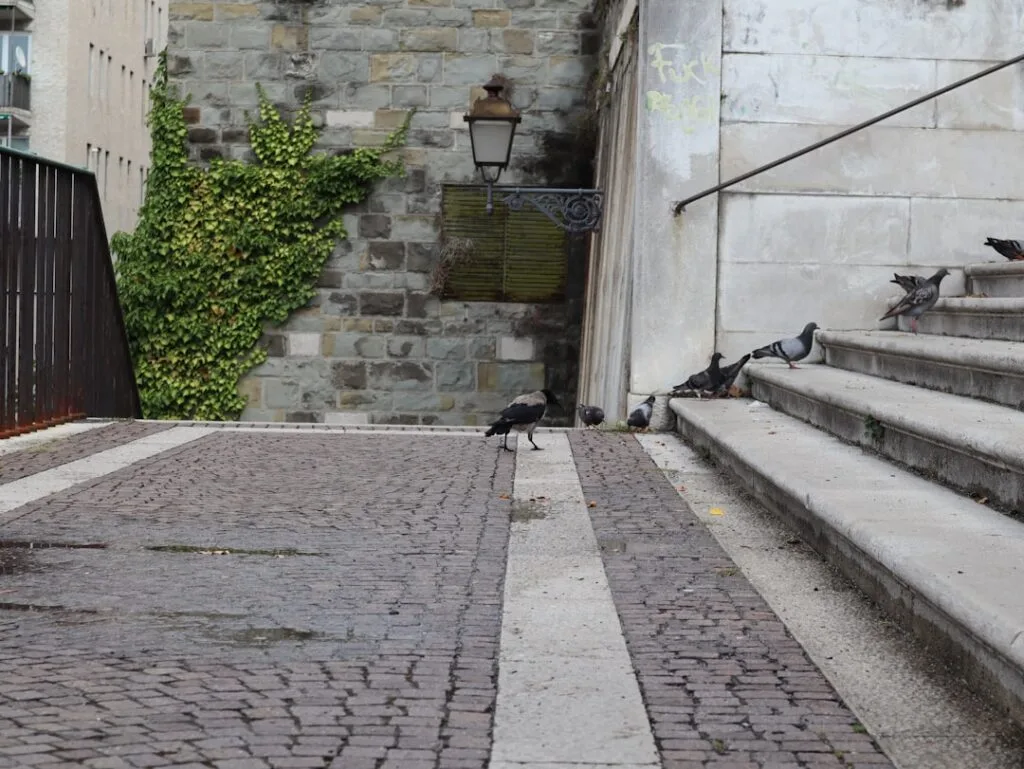
From the canal, wander into the lanes that climb toward Via Roma and Via San Nicolò. The « calle » and stairways are numerous: take the Scalinata Serbulo (between Via del Teatro Romano and Via Rossini) to reach panoramas over the bay. These passages, sometimes narrow and cobbled, reveal Austro-Hungarian façades and memorial plaques recalling writers like Italo Svevo (Via San Nicolo, 30 — his birthplace is marked, with limited public access).
Practical tips: walk slowly and get delightfully lost. For a shorter route, the loop Piazza Unità → Canal Grande → Via San Nicolò → Scalinata Serbulo is about 1.5 km and can be done in 45–60 minutes. In the evening the piazza is often lively; in winter the Carso wind can be sharp — bring a windbreaker. If you need a shortcut, Trieste Trasporti city buses serve the area (lines 6, 1A depending on your destination).
2) Stairways, Vantage Points and Little Secrets: Castello di San Giusto, the Roman Theatre and Hidden Gradini
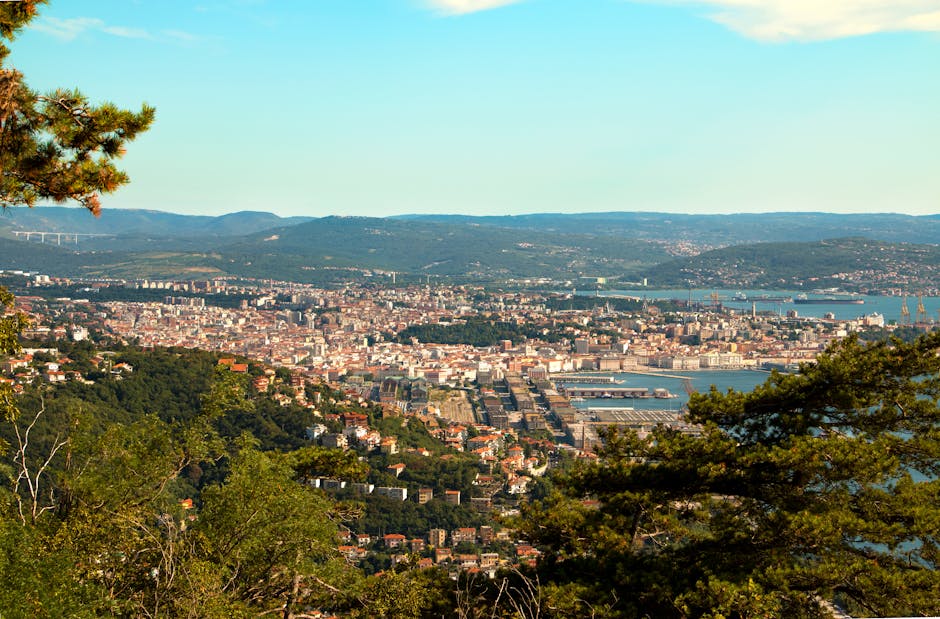
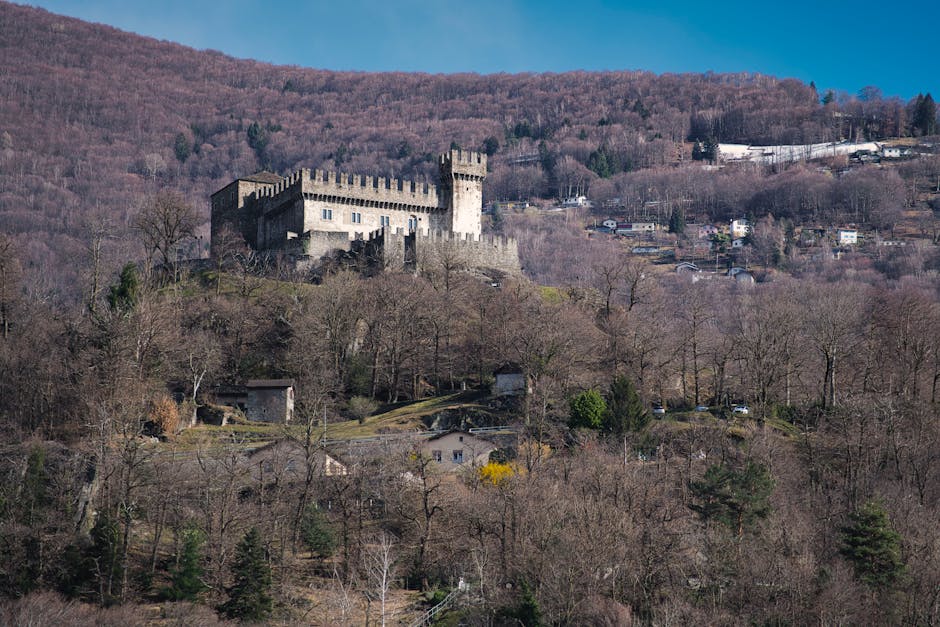
Make your way up to the Castello di San Giusto (Piazza della Cattedrale, 4, 34121 Trieste), perched above the old town. The castle, connected to the Cattedrale di San Giusto (Piazza della Cattedrale, 2), offers stunning views over Trieste and the sea. Opening hours: generally 09:00–19:00 in high season (April–October) and 09:00–17:00 in low season; it may close on Mondays off-season. Combined ticket (castle + municipal museums): about €6.00 for adults, €4.00 reduced (students/seniors); free for children under 6. Inside, the tower and ramparts give you a feel for the city’s topography: rows of rooftops, the Riva and the hills that cradle the town.
Just below, the Teatro Romano (Via del Teatro Romano, 3, 34121 Trieste) is a discreet Roman relic and is freely accessible, typically between 09:00 and 19:00 depending on season. Its worn seats are a direct link to antiquity. Between the theatre and the castle you’ll find narrow stairs that locals use as handy shortcuts: the gradini di San Giusto lead to viewpoints where you often meet local painters or sunset-watchers in love with the sky.
The stairways of Trieste are more than connectors: they’re social spaces. For instance, the Scalinata del Teatro Romano hides benches where elders play cards; the Scala dei Cappuccini (between Via San Lazzaro and Viale Miramare) offers a view over the Barcola neighborhood and, on a clear day, a panorama that reaches Croatia in the distance. Wear good walking shoes: some steps are uneven and cobbles get slippery when wet.
Local anecdote: some cortili (inner courtyards) still shelter old stube where families gathered to tell sea stories. These tiny secret squares keep intimate atmospheres, often scented with drying laundry and home cooking. Photographers will find powerful compositions here: contrasts of shadow, diagonal stairways and colorful shutters.
3) Cafés, Bookshops and Intimate Museums: Caffè San Marco, Museo Revoltella and Literary Cafés
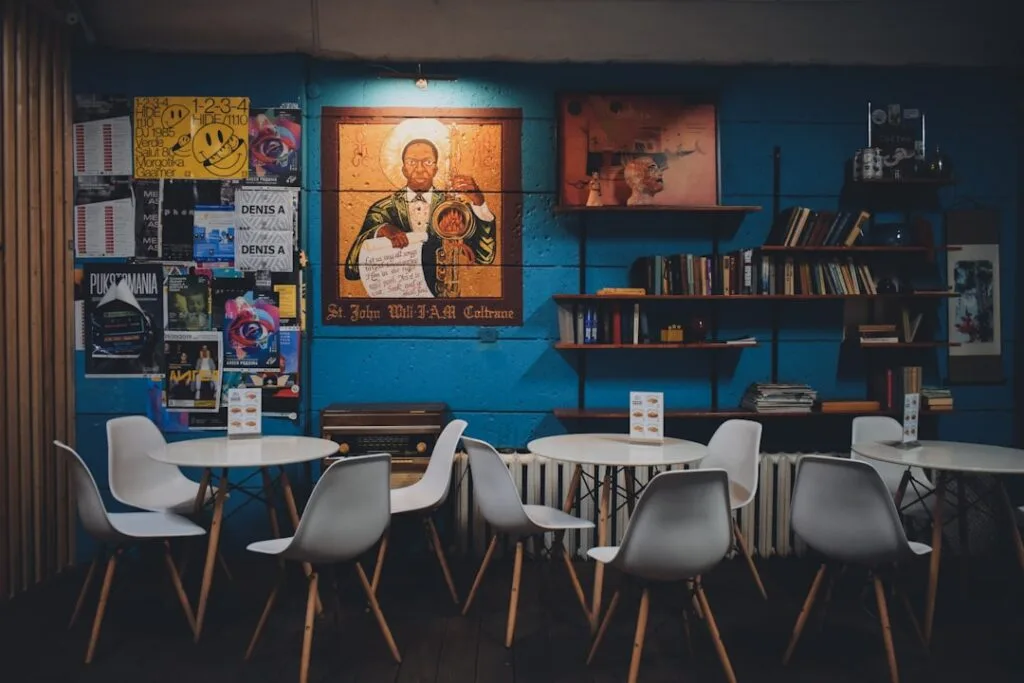
Trieste is a city of coffee and books; if you love that intellectual vibe, start at Caffè San Marco (Via Cesare Battisti, 18, 34125 Trieste). Open since 1914, it still holds the atmosphere of literary salons. Hours: typically 07:30–20:00; sometimes closed Sunday evenings. Prices: espresso €1.10–1.80, cappuccino €1.80–3.50, pastries €2.00–4.00. The café also has a small bookshop and vintage posters — an ideal spot to read a Triestine novel or eavesdrop on conversations about fishing and local politics.
Just a few steps away, the Museo Revoltella – Galleria d’Arte Moderna (Piazza Ovidio, 13, 34121 Trieste) houses a modern art collection and offers internal views over the city. Hours: 10:00–18:00, closed Monday; admission: about €6.00–8.00 for adults, reductions available. A 1 to 1.5-hour visit lets you grasp local artistic development and cultural ties with the Austro-Hungarian past. Don’t miss the museum’s vantage point for a municipal view of the piazza and the sea.
Even more intimate, hunt out the antiquarian bookshops around Via Carducci and adjacent lanes: tiny secondhand stores where treasures emerge from every shelf. You’ll often find old editions in Italian, German or Slovene — traces of the city’s multilingual past. Booksellers like to chat; don’t hesitate to ask for recommendations: they know Trieste’s writers (Italo Svevo, Umberto Saba) and the cafés where they liked to write.
Tips: for a perfect afternoon, have an espresso at Caffè San Marco, wander the Museo Revoltella, then lose yourself in the bookshops on Via Carducci. In the evening some cafés host readings or small musical performances: check local posters or ask staff. If you’re working remotely, Caffè San Marco has limited power outlets, but the atmosphere is more likely to inspire pen-and-paper writing than laptop productivity.
4) Miramare, the Coastline and the Risiera: Seaside Walks and Collective Memory
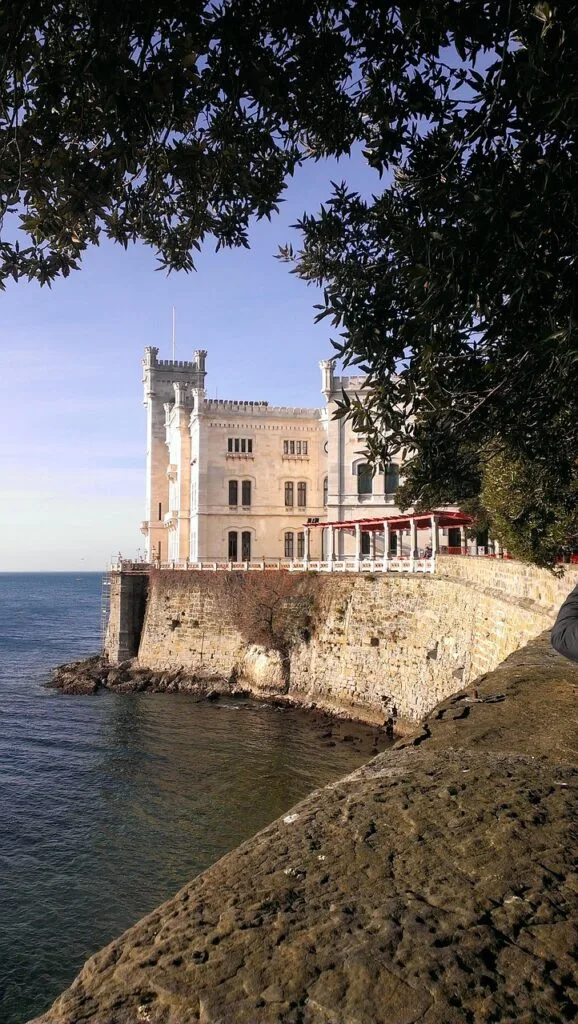
Take bus no. 6 (Trieste Trasporti) or a taxi to Castello di Miramare (Viale Miramare, 34151 Trieste), built in the mid-19th century for Archduke Maximilian of Austria. The park and castle make for a romantic escape: landscaped gardens, rocky coves and sweeping views of the Adriatic. Castle hours: usually 10:00–18:00 (March to October); ticket: €10.00 for castle entry (adult rate), €7.00 reduced; the park is freely accessible, opens early around 08:00 with seasonal closing times. The Viale Miramare offers a lovely coastal walk toward Barcola, the favorite promenade of Triestini, where families sunbathe and swim in summer.
On the way back into town, include a heavier historical visit: the Risiera di San Sabba (Via Ghega, 1, 34132 Trieste), the only Nazi concentration camp in Italy turned into a memorial museum. Hours: generally 09:00–18:00; admission: about €6.00; free or reduced rates for certain categories — check the official site. The site is a solemn memorial: the exhibitions document deportations and the industrial use of the Risiera during WWII. Respect and silence are required.
To round off the day, return along the Riva (Riva Nazario Sauro) and stop at the covered market to taste local specialties: prosciutto di San Daniele (slices from around €2.50–4.00 depending on portion), grilled octopus (price varies €8–15) and a glass of local wine. The covered market (Mercato Coperto di Trieste, Piazza della Repubblica, often open 07:00–13:00) is perfect for a quick, authentic lunch.
Practical tips: the coast can be windy — bring a windbreaker. For Miramare, arrive early to avoid tourist buses and enjoy the coastal paths peacefully. At the Risiera, allow 1 to 1.5 hours for a thoughtful visit. If traveling with children, balance heavy historical visits with playful moments at Barcola or along the Riva to keep things light.
Conclusion — How to Read Trieste: Tips to Keep the Intimacy Alive
Trieste reads like a novel with many voices: Austro-Hungarian façades echo the literary cafés, the coastline converses with the Carso hills, and the lanes always hold a surprise. To prolong the city’s intimacy, choose slowness: walk, take one more staircase, step into a bookshop, sit at a café window and watch. The best discoveries often come when you listen — an accordion in a cortile, a fisherman mending nets, an old woman watering plants on a windowsill.
Some extra practical tips: bring a paper map or download an offline map (Google Maps or Maps.me) to spot gradini and shortcuts; wear comfortable shoes because cobbles and steps demand stability; check museum hours in advance (many close early off-season) and allow time for coffee breaks, essential to the Triestine way of visiting. Finally, don’t be shy to talk to locals: Triestini are often proud of their city and happy to share a tip about a hidden corner, a sunset spot, or a local recipe.
Trieste up close won’t reveal itself in a single day: allow at least two to three days to catch its spirit — one day for the seafront and alleys, one for Miramare and Barcola, one for museums and the stairways leading to Castello di San Giusto. Leave room for the unexpected: a festival, a poetry reading in a café, or a temporary exhibition can turn a visit into a lasting memory. Above all: respect sites of memory, savor the viewpoints and bring home stories more than photos.