





Introduction: between sea, stone and mystery — why Postojna and Predjama from Trieste
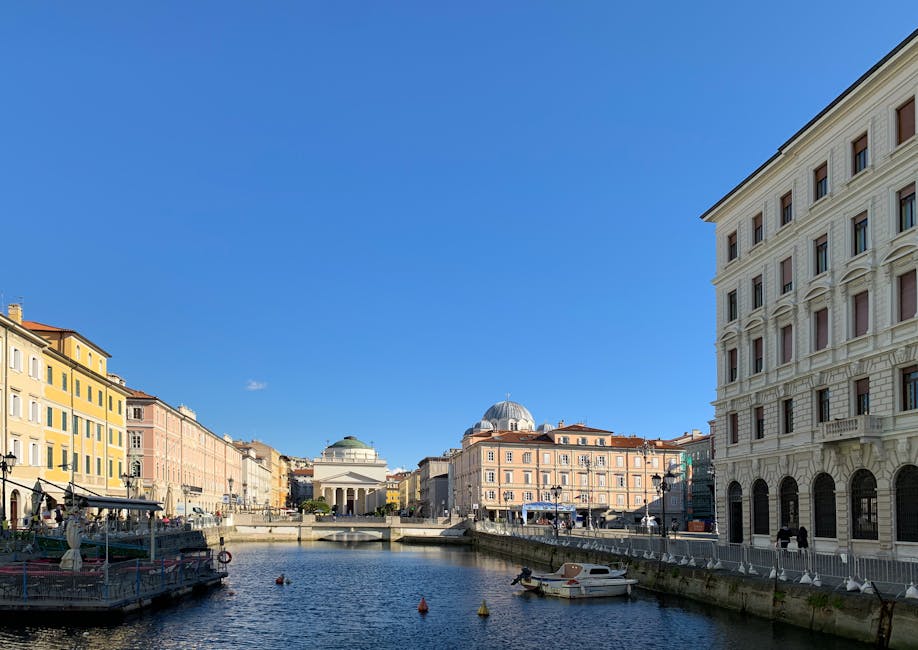
Trieste, a historic port at Italy’s northeastern tip, is an ideal launchpad for day trips that mix coastline and karst landscapes. Less than an hour’s drive to the northeast, across the Slovenian border, lie two of Central Europe’s most dramatic natural and historic attractions: Postojna Cave (Postojnska jama) and Predjama Castle (Grad Predjama). The two sites make a perfect pair — one opens up the region’s ancient limestone underworld, the other clings to a cliff like something out of a legend — and both are perfectly doable from Trieste as a day trip or a relaxed overnight stay.
What makes a visit from Trieste especially appealing is the contrast: the Adriatic and its salty breezes, Trieste’s Austro-Hungarian city center, then a shift into the karst where odd caverns and medieval strongholds tell centuries of natural and human story. At Postojna you board an underground train and, in minutes, find yourself amid stalactites and stalagmites, huge caverns and subterranean rivers. A short 20-minute drive brings you to Predjama, moving from an enchanted underground world to the dramatic sight of a castle embedded in rock over a sheer drop. The contrast between the cave’s lush darkness and the castle’s defiant silhouette is striking and unforgettable.
For travelers based in Trieste, this excursion is convenient: transport is straightforward (car, bus or train), tourist infrastructure is well developed (multilingual tours, restaurants, shops), and there are options for every budget. You can join an organized tour from Trieste, self-drive a rental car, or use train/bus connections for a more local experience. Whichever way you go, the visit is immersive: the air cools as you approach the cave, the tiny underground train hums under your feet, and Predjama’s outline suddenly emerges against the sky, gripping the cliff.
In this guide I offer a practical, detailed plan — exact addresses, opening hours, current prices in euros, the best times to visit, routes from Trieste, tips to beat the crowds, food and lodging recommendations, plus notes on accessibility and photography. Whether you’re a hobby photographer, a family traveler, a medieval history buff or simply curious about nature, you’ll find everything you need to make the most of a Postojna and Predjama visit from Trieste.
Immersive discovery of Postojna Cave (Postojnska jama): hours, prices and what to expect
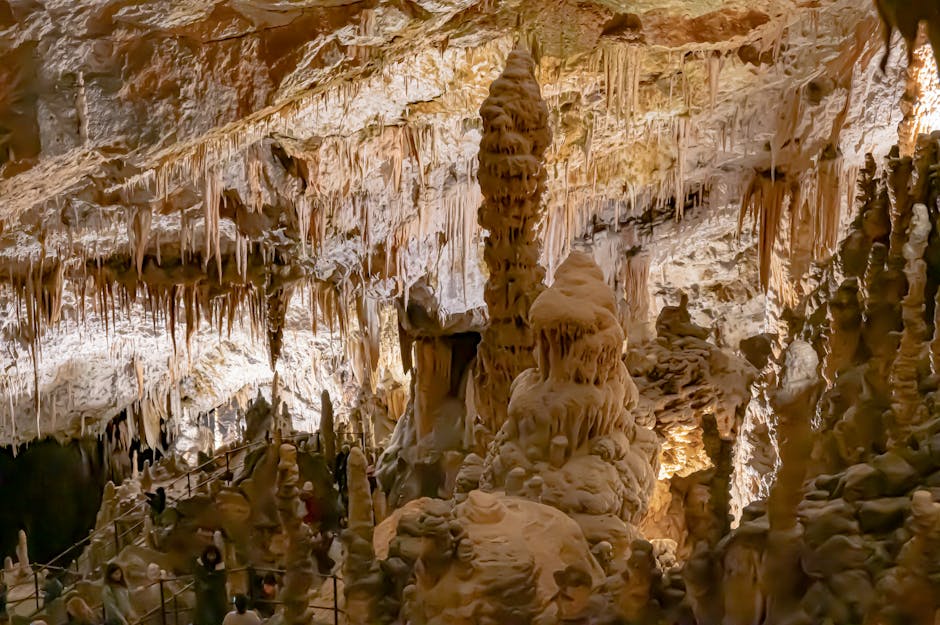
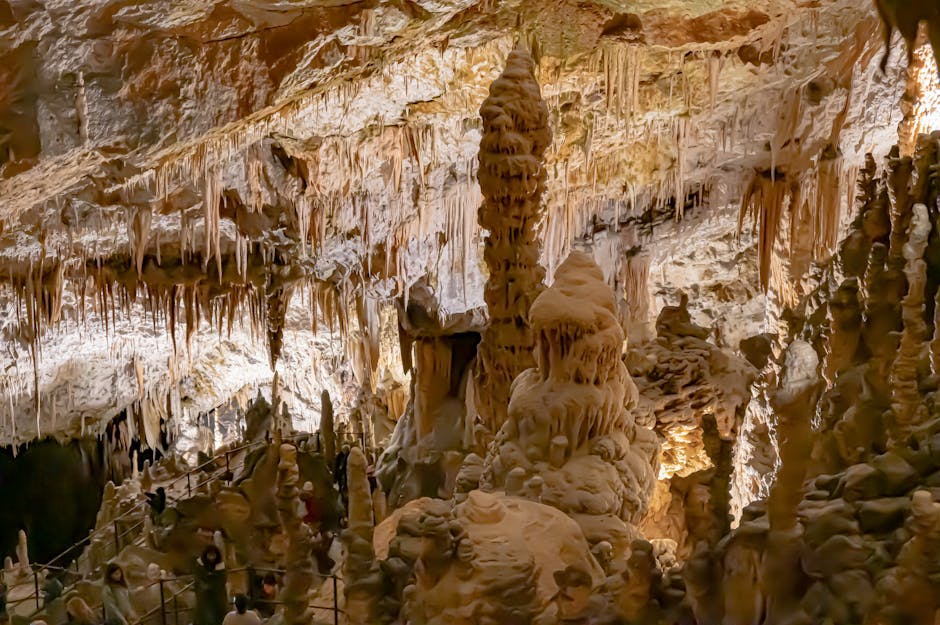
Postojna Cave is one of Europe’s most visited caves, famous for vast chambers, exuberant karst formations and its little tourist train that carries visitors through about 3.7 km of galleries. Exact address: Jamska cesta 30, 6230 Postojna, Slovenia. Info desk phone: +386 5 700 03 00. Official site for bookings and opening times: postojnska-jama.si. Opening hours are seasonal — generally the cave is open year-round, with longer hours in high season (April–October) and reduced hours in winter:
- High season (April–October): usually 08:00 – 18:00 (last entry times vary).
- Low season (November–March): usually 09:00 – 16:00.
Visits start with a ride on an electric train (entry segment) followed by a walk on a prepared path of roughly 1.2 km, with multilingual audio guides often available. Average visit length: 1.5–2 hours depending on pace and waits. Indicative prices (2024–2025 season, check the official site before you go):
- Adult ticket (Postojna Cave guided train + walking tour): about €30.00 per person.
- Children (6–14 years): about €17.00.
- Children 0–5 years: free or heavily discounted with ID.
- Students / seniors: reduced fare, typically around €24.00.
- Combined Postojna + Predjama Castle ticket: package around €45.00 – €50.00 depending on season and options.
On-site ticket counters can have queues, especially in high season and on weekends. Online reservations are strongly recommended if you plan to visit in the morning or afternoon during July–August. Group tours operate at fixed times; audio guides are available in several languages (English, Italian, German, Slovenian, French and others depending on the season).
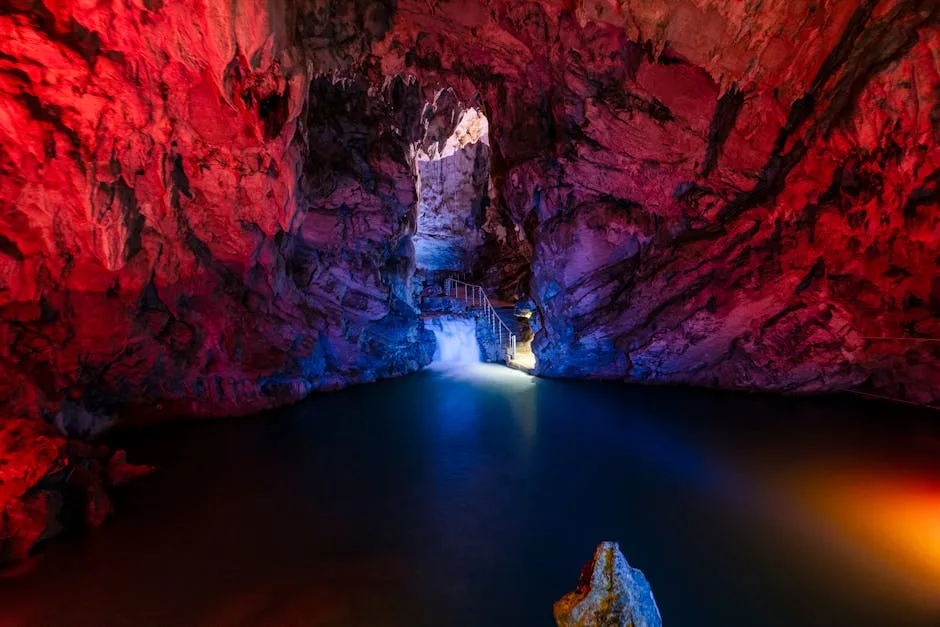
The cave maintains a steady temperature of around 8–10°C — an important detail for packing. Wear warm layers and closed, slip-resistant shoes; even with the path in place, some areas can be wet and slippery. Photography is allowed without flash in most areas, but follow local signs: flash can damage delicate formations and disturb other visitors. The cave’s theatrical lighting highlights spectacular spaces like the Concert Hall, a natural chamber that sometimes hosts summer concerts.
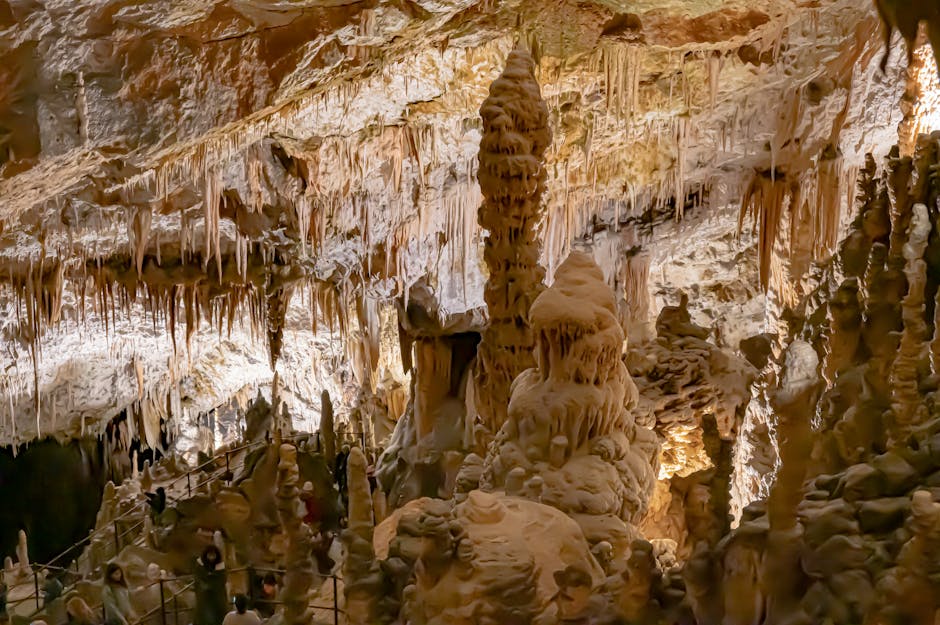
Accessibility: the internal train helps access, but the full route is not entirely wheelchair-friendly; some walking sections can be demanding. The site provides specific information for visitors with reduced mobility and can offer special services by prior arrangement. Practical note: the gift shop and restaurants at the cave entrance sell local specialties and karst products — perfect for a coffee or a light meal after your visit.
Predjama Castle (Grad Predjama): history, address, hours and a deeper look
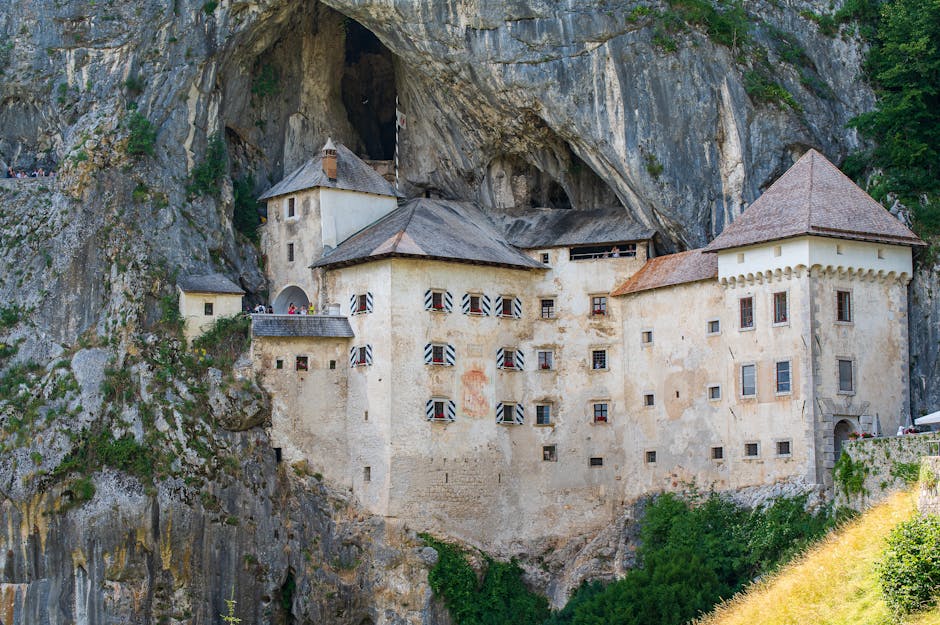
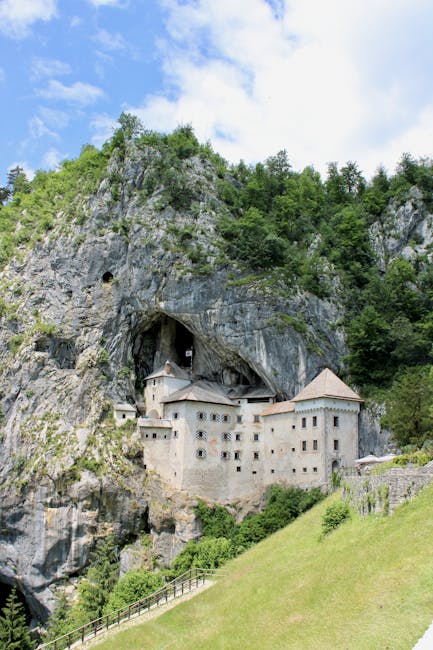
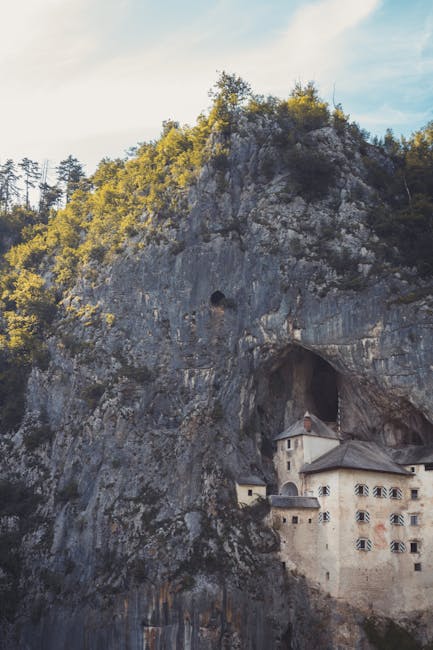
Predjama Castle is one of Slovenia’s most iconic images — a 15th-century medieval fortress literally built into a dramatic limestone cliff. Exact address: Predjama 1, 6221 Predjama, Slovenia. Info phone: +386 5 700 05 50. Official page: postojnska-jama.si/en/predjama-castle. Unlike traditional hilltop castles, Predjama is integrated into the rock: its façade is backed by the cliff, with caves and secret passages linking to the interior, giving it the aura of an impregnable stronghold.
Opening hours (seasonal):
- High season (April–October): usually 09:00 – 18:00 (last admission around 17:30).
- Low season (November–March): usually 10:00 – 16:00 (reduced hours — check before you go).
Indicative prices:
- Predjama Castle adult ticket: about €13.00.
- Children (6–14 years): about €8.00.
- Combined ticket with Postojna Cave: around €45.00 – €50.00 (depending on options and discounts).
The castle tour immerses you in medieval life and local legend, notably the tale of Erazem Lueger, an outlaw knight who — according to legend — used a secret passage to resupply the fortress from the cliff’s rear and fend off sieges. Inside you’ll find restored chambers with period furnishings, armor, artifacts and audiovisual exhibits explaining the site’s history. From the castle’s balconies and windows you get spectacular views over the Lokva river valley and the rock face — excellent for panoramic photos.
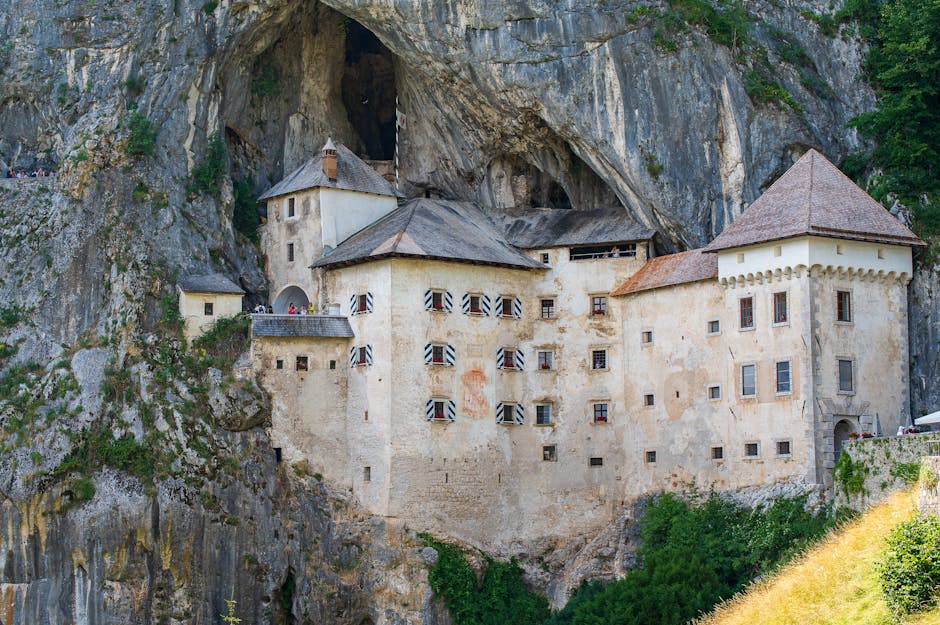
Practical tips for the visit: the route includes narrow staircases and dim passages — wear sturdy shoes. If you plan to combine Predjama and Postojna in one day, it’s best to start at Postojna in the morning (fewer people at opening) and reach Predjama in the early afternoon, or reverse the order depending on seasonal schedules. The castle has a small car park, a café and a gift shop. Audio guides are often available, and explanatory panels in English and Italian make the visit straightforward.
Planning the trip from Trieste: routes, travel times and recommended itineraries
From Trieste you have several ways to reach Postojna and Predjama: rental car, private transfer, bus, or a train + bus combination. Approximate distances and travel times:
- Trieste (Piazza Unità d’Italia / Trieste Centrale) → Postojna (Jamska cesta 30): about 60–75 km, 50–70 minutes by car depending on traffic and the border crossing (Schengen usually means no formal checks).
- Postojna → Predjama: about 9 km, 15–20 minutes by car.
By car: the most flexible option. Typical route: take the A4/A34 north from Trieste, then continue on the E61/A1 in Slovenia; follow the Postojna/Ilirska Bistrica exit. Have GPS ready (exact address: Jamska cesta 30, 6230 Postojna). Parking at Postojna: official lots in front of the main entrance (P1/P2) — fees vary (a few euros for the day). The drive from Trieste is scenic and can include stops in Sežana or Divača if you want to explore more.
By bus: international carriers (FlixBus, Nomago intercity) run Trieste → Postojna routes. Connections aren’t very frequent but operate mainly in the morning and late afternoon. Check schedules online as some lines make intermediate stops. To get to Predjama from Postojna by public transport you can catch local buses (Klagenfurt–Postojna–Ljubljana routes with stops) or take a taxi. Frequency is limited; for a full day the car remains the most convenient option.
Organized transfers: several agencies in Trieste and the surrounding area offer full-day guided excursions that include transport, skip-the-line tickets and a French-speaking guide. This is a handy choice if you don’t want to drive and prefer live historical and geological commentary along the way.
Recommended one-day itinerary from Trieste:
- Depart early from Trieste (around 07:00–08:00) to avoid traffic and arrive at Postojna at opening time.
- Visit Postojna Cave (1.5–2 hours); lunch at the site restaurant or a picnic if the weather allows.
- Short drive to Predjama Castle (15–20 minutes), guided visit and exploration (1–1.5 hours).
- Return to Trieste late afternoon, with an optional stop at Lipica (the Lipizzaner stud farm) if you have extra time and want to extend the escape.
Local practical tips: food, lodging, best time to visit and photo advice
Weather and best time: high season runs April to October. To avoid the crowds, aim for March–May or September–October: pleasant weather, great light for exterior photography, and shorter lines. Winter offers a quieter, more intimate atmosphere but reduced opening hours and occasional closures.
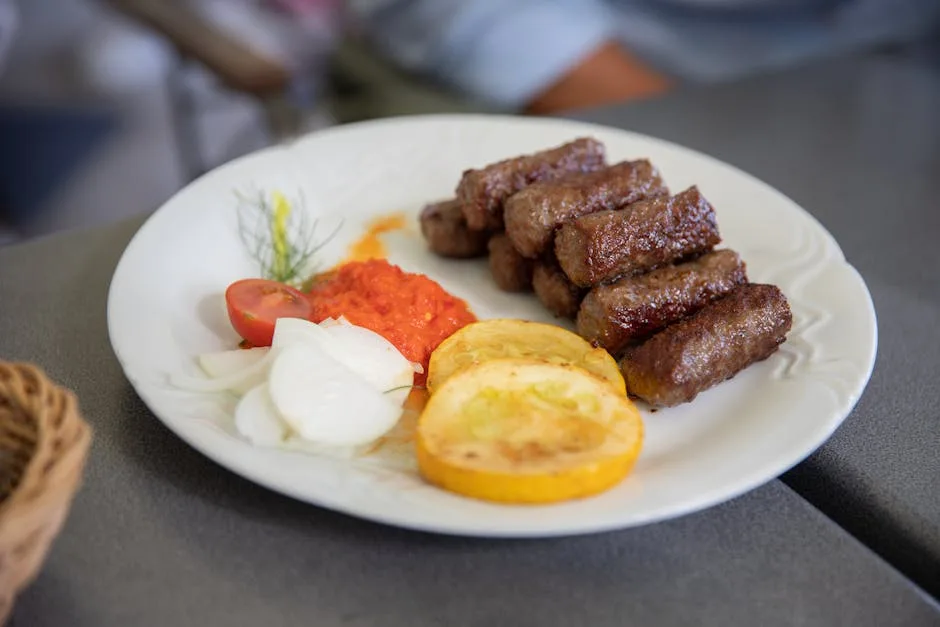
Food: near Postojna the Restaurant Proteus (Postojnska jama complex) serves local and international dishes; address: Jamska cesta 30, 6230 Postojna (at the cave site). At Predjama the café next to the castle offers snacks and drinks, but for a more authentic meal drive a few minutes to Predjama village or Postojna town where several konoba / gostilna (traditional Slovenian eateries) serve local specialties: smoked ham (pršut), karst cheeses, jota (bean and sauerkraut soup), and local Karst wines (Refošk / Refosco). Meal budgets: a simple lunch €10–15, a full menu €20–35 per person depending on the restaurant.
Accommodation: if you choose to spend the night locally rather than return to Trieste, options include:
- Hotel Proteus (Postojna) — close to the cave entrance, family-friendly.
- B&B Predjama Village — more rustic stays near the castle.
- Trieste city center (Piazza Unità d’Italia) — if you prefer an urban base with lots of dining options, many 3–4 star hotels offer charm and convenience.
Photo tips: inside the cave the light is low and most areas prohibit flash; favor a fast lens (f/2.8 or faster) and raise ISO as needed, stabilize your camera on railings or use burst mode to reduce blur. For Predjama, the best light is early morning or late afternoon — the cliff’s shadow adds depth. Look for viewpoints that show the castle embedded in rock, and include foreground elements (trees, paths) to convey scale.
Practical tips:
- Tickets: book Postojna online to avoid waits; buy a combined ticket if you plan to see Predjama too.
- Money: Slovenia uses the euro (€) — no currency exchange needed if you’re coming from Italy.
- Passport / ID: Schengen makes the border crossing easy, but carry ID with you.
- Clothing: bring a light jacket for the cave (8–10 °C) and comfortable, grippy shoes for Predjama.
- Health: if you’re prone to vertigo, avoid high viewing points at the castle; the cave is generally fine for most visitors but has wet floors.
Extra experiences and extended routes around the Karst from Trieste
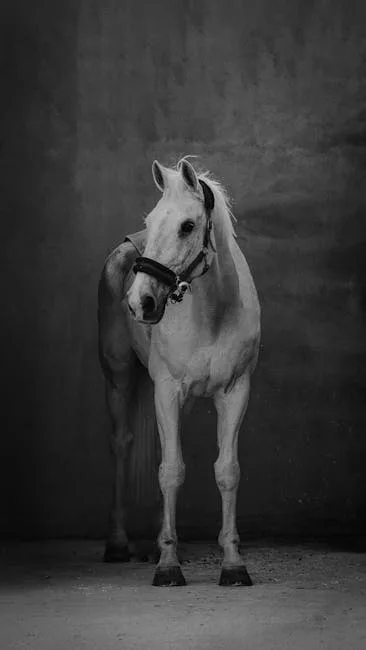
If you have more than a day, the karst massif around Postojna and Predjama has plenty to expand your trip. Lipica Stud Farm (Lipica 2, 6210 Sežana, Slovenia) is famous for its Lipizzaner horses — details and opening hours at lipica.org; guided visits and performances are available, with prices starting around €15–20 depending on the activity (equestrian shows, guided tours). Near Sežana you can also visit the Škocjan Caves (Park Škocjanske jame, 6215 Divača) — a UNESCO World Heritage site — which offer spectacular geological impressions, with underground gorges that are distinct from Postojna but equally impressive. These sites fit nicely in a loop: Trieste → Lipica → Škocjan → Postojna → Predjama.
For hiking lovers, the Karst region has marked trails and charming villages (Sežana, Kozina), perfect for calm walks between visits. Wine lovers will enjoy local vineyards around Koper and the Slovenian coast, with tastings possible at producers (book in advance). For a cultural mix, combine your trip with an evening in Trieste: historic cafés, pastry shops (caffè San Marco, Pasticceria Pirona) and seaside promenades make a pleasant contrast after the karst’s ruggedness.
Finally, for a deeper dive, consider a themed guided tour (geology, medieval military history, or photography) which brings expert insight into karst formations, the castle’s history and regional life through the centuries. Local guides often share stories and anecdotes — like Predjama’s secret passages or hidden frescoes — that make the visit even more memorable.
Conclusion: from subterranean wonder to medieval legend — final thoughts on a Trieste day trip
Postojna and Predjama make an exceptional pair, capable of turning a simple outing into a day of intense and varied discoveries. From Trieste the sites are quick and easy to reach, offering two radically different experiences: immersion in a cold, glittering millennia-old cave and an ascent (both literal and metaphorical) into the living history of a cliffside troglodyte castle. Together they not only illustrate the Slovenian Karst’s geography, but also tell human and legendary stories — from limestone shaped by water over eons to tales of knights like Erazem and supposedly impregnable strongholds.
For travelers based in Trieste, the trip is flexible and adaptable: you can do it solo by car, as part of an organized group, or combining public transport and transfers. The practical information provided here — exact addresses (Jamska cesta 30, 6230 Postojna for the cave; Predjama 1, 6221 Predjama for the castle), seasonal hours, indicative prices in euros, and clothing and photo tips — will help you plan without stress. Remember: book Postojna online to save time, bring layers for the cave, and wear sturdy shoes for Predjama. Families should check child discounts and stroller/wheelchair access; photographers will find golden-hour light adds dramatic depth to the castle.
Combining subterranean biodiversity, medieval architecture and karst landscapes, this escape from Trieste has something for everyone: families, photographers, history buffs and nature lovers. It’s also a chance to sample regional food and wine, admire unexpected panoramas and take home authentic souvenirs. Whether you return to Trieste the same evening or extend your stay locally, Postojna and Predjama leave a lasting impression — a world where stone and water shaped not only the land but the memory and imagination of people.