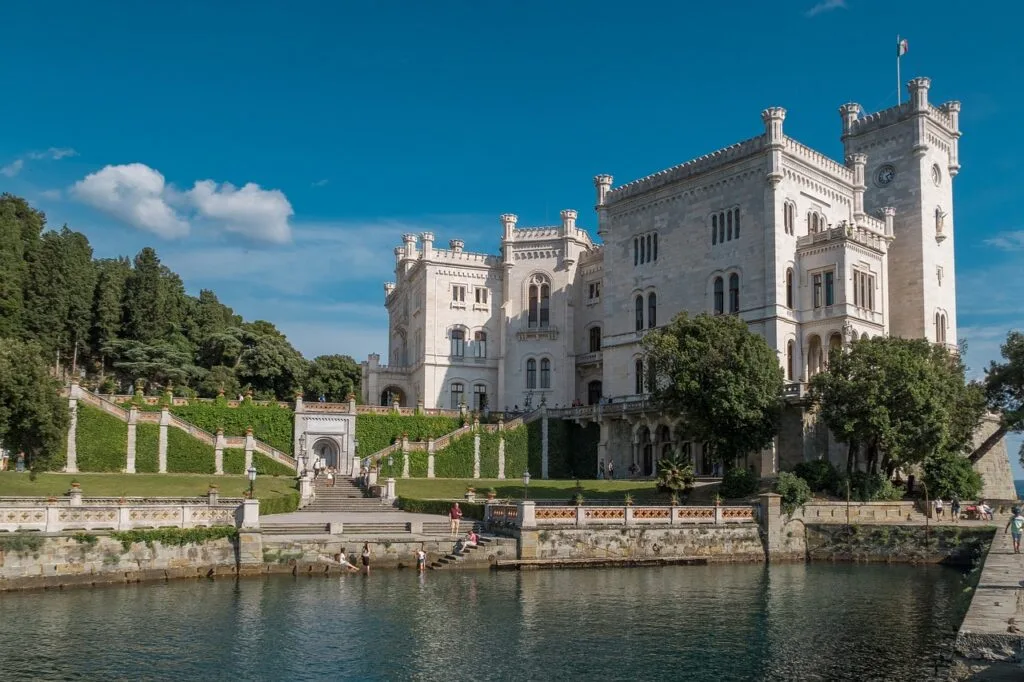






Introduction — Why Miramare and its coastal gardens are a photographer’s paradise
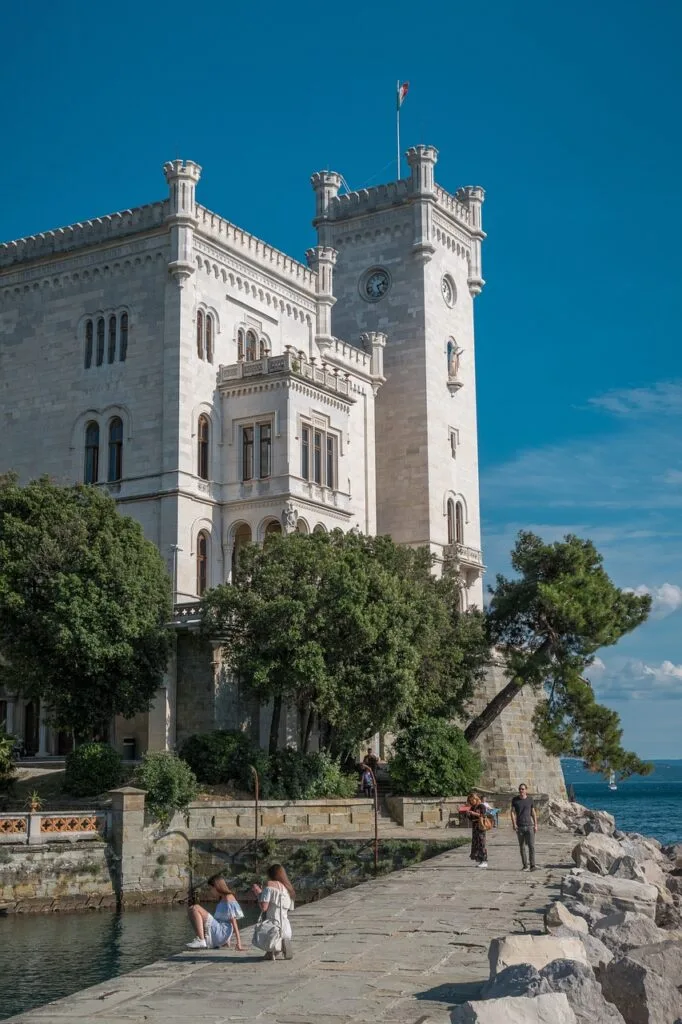
The Castello di Miramare and its Parco del Castello di Miramare form one of the most photogenic landscape-and-architecture ensembles along the Adriatic coast. Located on the northern outskirts of Trieste, this spot blends 19th-century romantic architecture, subtropical lawns and groves, limestone cliffs plunging into emerald waters, and maritime vistas that shift by the hour. For photographers, whether hobbyists or pros, Miramare presents an exuberant variety of subjects: ornate façades, historic salons, agapanthus-lined paths, windswept maritime pines, and panoramic views over the Gulf of Trieste.
This comprehensive guide aims to give practical, hands-on tips to help you capture the essence of Miramare in images, plus essential logistics: exact addresses, opening hours, prices in euros, immersive place descriptions, and local tricks for composing the best shots. You’ll be able to pick the right gear (lenses, filters, tripods), optimize your routes and shooting windows (sunrise and sunset, golden hours, quiet times), and follow site conservation rules.
Castello di Miramare, located at Viale Miramare, 34151 Grignano, Trieste TS, Italy, is surrounded by the expansive public coastal park called the Parco del Castello di Miramare. Park access is free; entry to the castle museum is paid. The castle typically has daily opening hours and ticket prices that vary by season; this guide gives reliable ranges and tips for buying tickets in advance or opting for photo-focused guided tours. You’ll also find recommendations for nearby points of interest — the little village of Grignano, the pier and seaside promenades — plus local weather tips (the bise, known as the “bora,” sculpts clouds and affects the sea).
Beyond technical advice, I share recommendations to protect the heritage and ecosystems: where to set up your tripod, how to minimize impact on flora and other visitors, how to handle indoor shooting at the castle (often forbidden), and how to photograph Miramare in every season — spring for blooms, summer for marine colors, autumn for soft light, and winter for dramatic moods. This guide will walk you step by step so your visits turn into memorable photos, with precise cues for each situation.
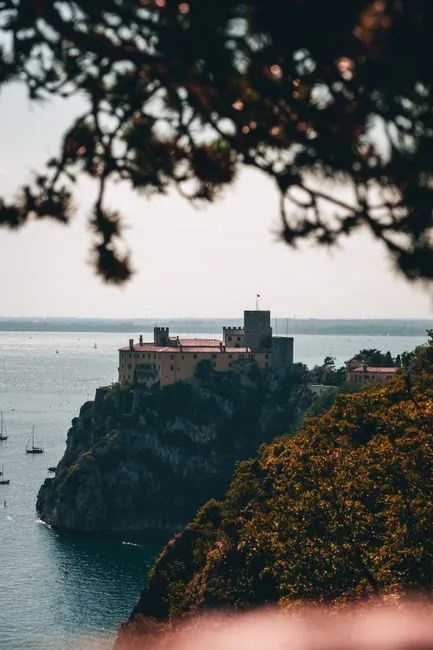
H2 – Getting ready: gear, opening times and practical access
Before heading to Miramare, organize your kit according to the subjects you want to shoot. For coastal landscapes and Gulf of Trieste panoramas, a wide-angle 16–35mm lens (or 10–20mm for APS-C) is essential. A 70–200mm telephoto will help isolate architectural details or distant points of interest on the water, like boats. A fast prime at 35mm or 50mm is perfect for environmental portraits and detail shots along the park paths.
Filters are useful: a polarizer (to deepen sea blues and cut reflections) and graduated ND filters to balance a bright sky with a darker foreground. Bring a compact tripod (generally allowed in outdoor areas—respect fenced zones) for long exposures at sunset and in low light. Also pack spare batteries, memory cards, and a bag that resists dust and the bora wind (the local wind is often present).
Practical logistics:
- Castle address: Castello di Miramare, Viale Miramare, 34151 Grignano, Trieste TS, Italy.
- Typical opening hours: Castello di Miramare is usually open daily from 09:00 to 19:00 (last entry around 18:30). The park is freely accessible from dawn until sunset. Note that the castle may be closed on December 25 and January 1; check the official site before your visit.
- Indicative prices: adult ticket for the castle museum ≈ €10, reduced ≈ €7 (students, seniors), free entry for under-18s; the park is free.
- How to get there: From central Trieste, take the city bus (line 6 or line 36 depending on season and schedule) toward Miramare / Grignano; some seasonal services depart from the Stazione Centrale. Allow 20–30 minutes.
- Parking: public parking along Viale Miramare and a paid lot near the main entrance; in high season, arrive early to find a free spot.
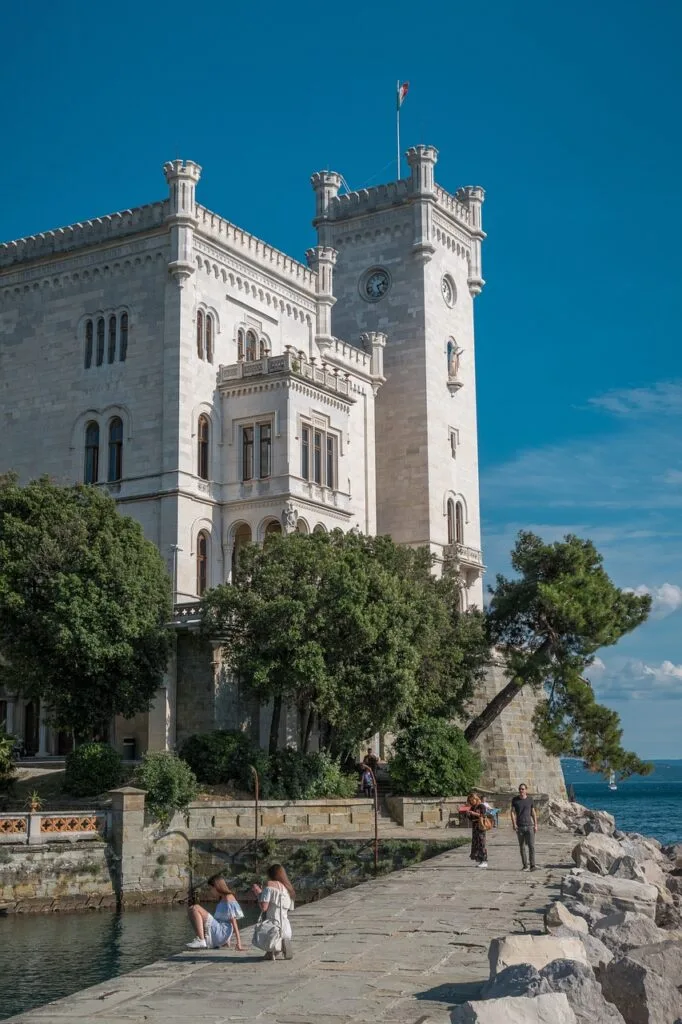
H2 – Composition techniques and cues for the best frames
Miramare lends itself to many compositions: converging lines of park avenues, natural frames formed by pines and agapanthus, the symmetry of the castle façade, and sea/land contrasts from the viewpoints. Here are concrete pointers:
- Main façade: head to the south terrace to capture the symmetry and ornamentation of Castello di Miramare. Use a slightly wide lens (24–35mm) to avoid excessive distortion. Try apertures around f/5.6–f/11 for maximum architectural sharpness.
- Coastal viewpoint: on the cliffs, look for compositions that juxtapose the cliff, the sea and the castle silhouette. Use the rule of thirds to position the horizon and experiment with slower shutter speeds (0.5–1s) with an ND filter to smooth the water and create a painterly mood.
- Paths and gardens: use rows of trees and park avenues to build depth. Reflective surfaces (puddles after rain) add striking mirror effects. For environmental portraits, place your subject one or two meters from floral elements for pleasing bokeh (f/1.8–f/4).
- Architectural details: for cornices, ironwork and statues, get closer with a short tele (85–135mm) or a light macro. Shoot in side light (morning or late afternoon) to enhance modeling and texture.
Framing tip: always look for an anchor element — a bench, statue, or pier — to give your images a human scale. The bora can shape the trees; beyond being a technical challenge, it’s an aesthetic opportunity: capture wind-leaning trees with a fast shutter (1/250–1/500s) to freeze motion, or use a slower speed for a dynamic blur.
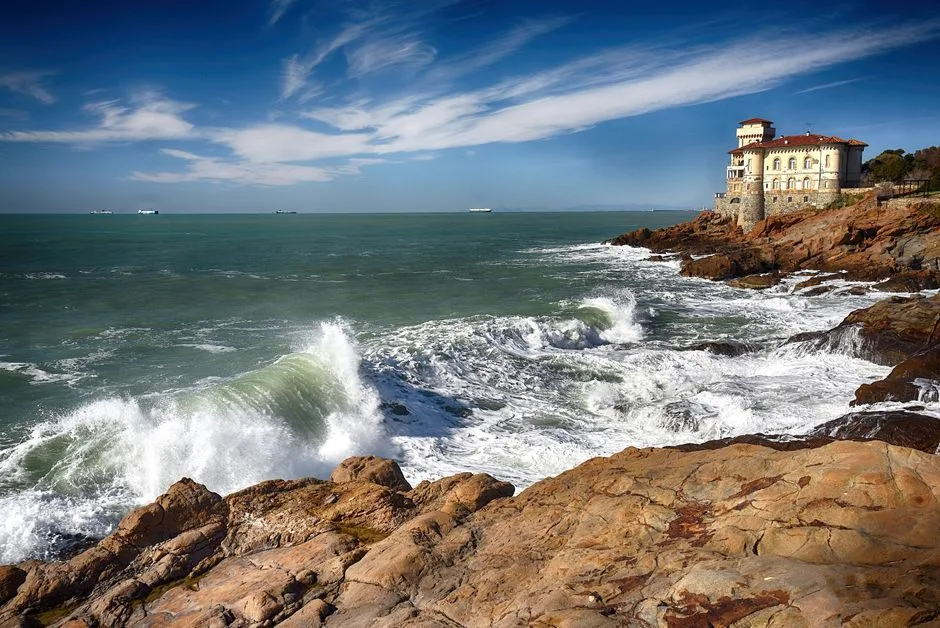
H2 – Best times, seasons and local tips to make the most of every shot
The character of Miramare shifts with the season and time of day. Here’s a visual calendar and precise local tips:
Spring (March–May) — blooms and soft light: this is the ideal season to capture flowerbeds and the park’s pastel tones. Cool mornings and marine mist create romantic atmospheres. Favor golden hours (sunrise roughly 05:45–07:30, varying by month) to avoid tour buses.
Summer (June–August) — bright sea and long days: colors are saturated, but the site is busy. Aim for dawn (before 08:00) or dusk (after 19:30–21:00) for flattering light. Think about shade and heat management for your gear.
Autumn (September–November) — golden light and dramatic skies: the bora is usually milder than in winter but can still produce spectacular clouds perfect for panoramas. Autumn’s muted tones flatter the castle’s white stone.
Winter (December–February) — dramatic moods: darker seas and skies produce high-contrast images. Be aware some castle rooms may be closed. Dress warmly and protect your batteries (cold drains them faster).
Practical local tips:
- Arrive early in the mornings to beat the crowds and enjoy soft light.
- Check opening hours on the Polo Museale del Friuli Venezia Giulia official site before your visit to be aware of exceptional closures and the exact daily prices.
- Respect indoor photography restrictions at Castello di Miramare: many historic rooms ban flash and, in some cases, any photography.
- If you plan to stop at a local bar or restaurant (for example Ristorante Miramare along Via Vigna Vecchia), keep in mind these places have variable hours and seasonal menus.
Additional useful information
If you’re considering a boat trip for sea-level views, look for shuttles or excursions departing from the Molo Audace (Piazza Unità d’Italia area) or local operators at the Port of Trieste. Boat tours to Miramare can cost around €8–€15 per person for a round trip depending on the season. Check return times so you don’t get caught out by sudden weather changes.
Conclusion — Preserve the moment and bring back memorable images
Shooting Miramare and its coastal gardens demands careful preparation, sensitivity to the Gulf of Trieste’s changing light, and respect for site rules. With the right gear — wide-angle, telephoto, polarizer and tripod — you can take advantage of varied perspectives along the Parco del Castello di Miramare, the majesty of Castello di Miramare (Viale Miramare, 34151 Grignano, Trieste TS, Italy) and the seaside viewpoints. Plan your visits according to season and golden hours, arrive early for the best conditions and always keep an eye on the weather and the “bora.”
Respect the heritage: don’t cross barriers, avoid leaving litter and ask permission before using pro gear (drones or lighting), as restrictions may apply in protected zones. Use the practical info above (typical hours 09:00–19:00 for the castle, park free, approximate prices €10 adult/€7 reduced) as a starting point, but always confirm details on the official site or with the Trieste tourist office before you go.
Finally, give yourself time to simply take it in: photography is also an immersive experience. Find a bench in the park, listen to the waves, watch the light play across the castle’s stone, and compose with respect for the surroundings. By following these technical, logistical and ethical tips, you’ll return from Miramare with images that convey not just the look of the place, but its unique atmosphere.