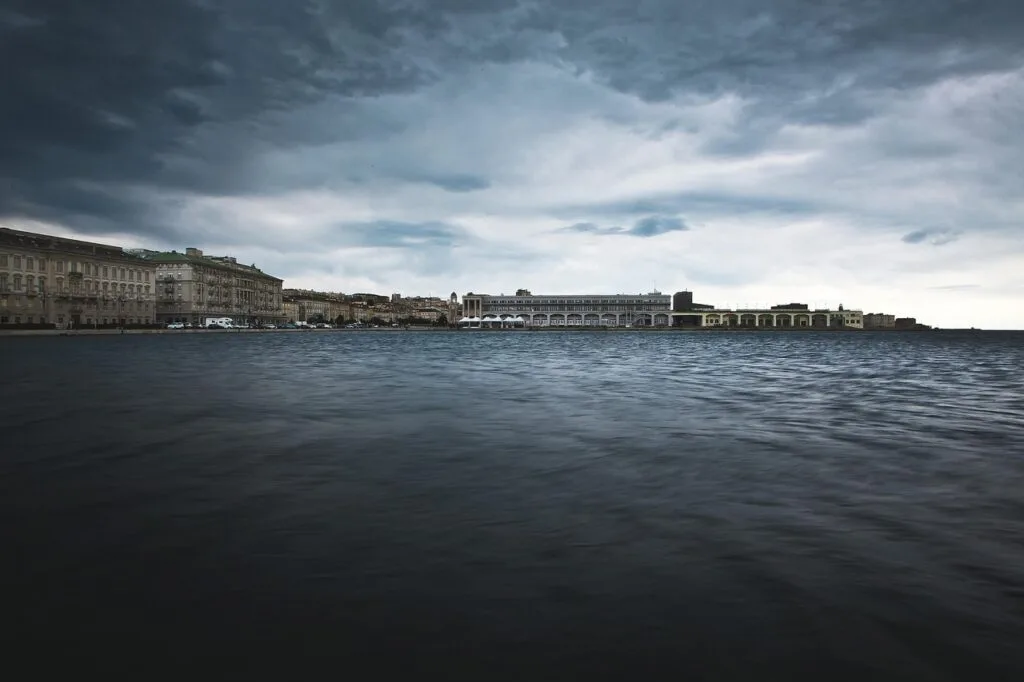






Introduction: Miramare through the seasons, a living canvas in Trieste
The park and Castello di Miramare, perched at the northern tip of the Gulf of Trieste, put on a different show throughout the year: spring blooms, deep summer greens, warm autumn palettes and marine winter atmospheres. This comprehensive guide, created for curious travelers and locals wanting to rediscover this iconic spot, reads Miramare season by season, with practical, immersive insights into the shifting gardens and natural events that shape the headland. You’ll find detailed descriptions of the grounds, exact addresses, sample opening hours and prices, plus local tips to make the most of every visit.
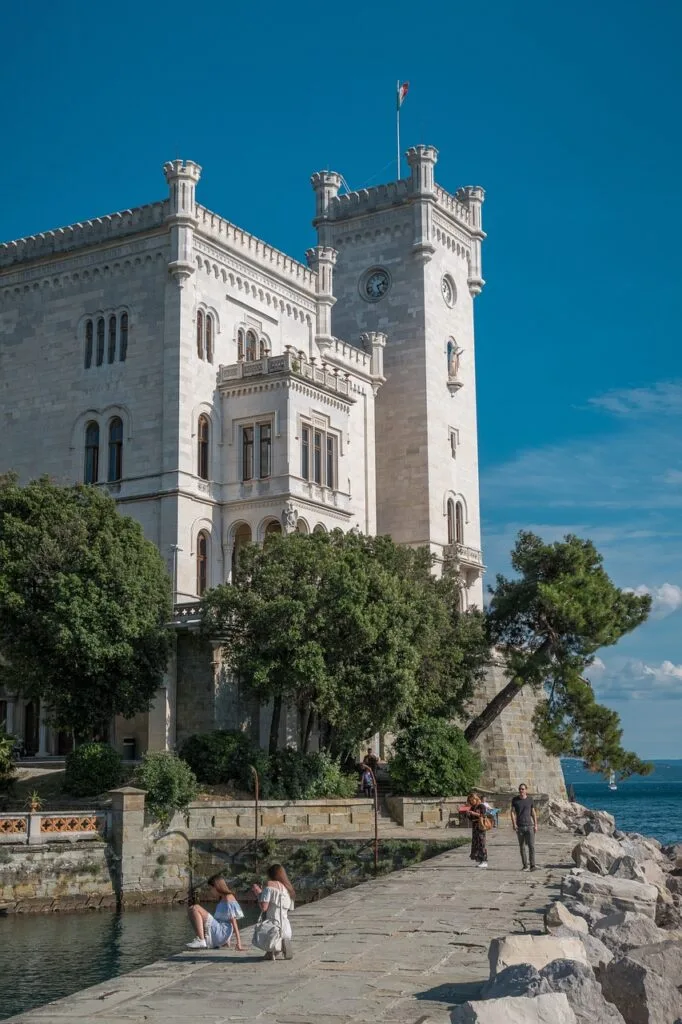
Castello di Miramare (Castello di Miramare, Viale Miramare 34151 Trieste TS, Italy) was built in the second half of the 19th century for Archduke Ferdinand Maximilian of Austria-Este and his wife Charlotte of Belgium. Its position, literally clinging to the sea, gives the castle and its park a distinct microclimate: the Adriatic tempers winter frosts and extends vegetation into spring and autumn. That same microclimate allows Mediterranean and alpine species to coexist in the same planting lines, creating an evolving botanical kaleidoscope. Walking the paths you pass from spring rhododendron beds to stands of maritime pines and exotic trees that turn golden in autumn.
Beyond pure botanical interest, Miramare stages a natural ballet: seabird migrations, tides, shifting light over the Adriatic and winter storms that sculpt the coast. The park’s position offers unique panoramas of the Bay of Trieste and the surrounding limestone cliffs. This guide will help you plan visits by season — hikes, photography, sensible picnics, birdwatching — and give practical pointers: which trails to favor, where to shelter if it rains, the best light hours, and how to avoid weekend crowds.
Finally, this guide covers local logistics: how to reach the park and castle from central Trieste, typical museum and park opening hours, approximate entrance fees, and on-site facilities (toilets, food points, accessibility). Prices and opening times can change at the authorities’ discretion; I provide reliable reference points and tips for checking in real time. Whether you’re a landscape photographer, a family seeking a day outdoors, or a romantic stroller, Miramare offers a seasonal story that’s always renewing itself — follow the guide to explore it in depth.
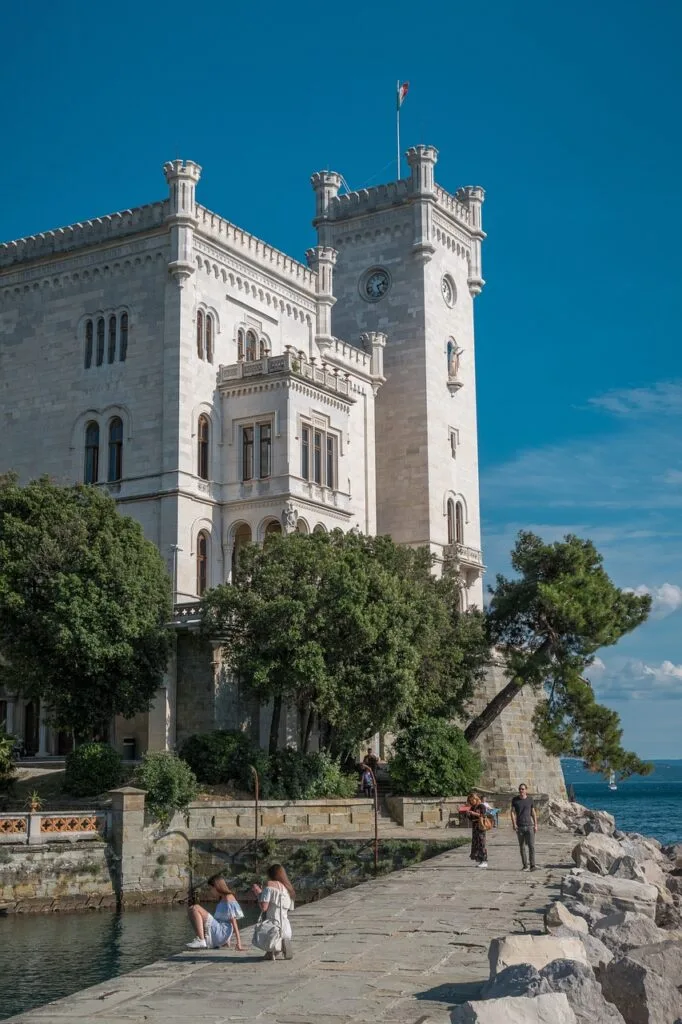
The Castello di Miramare: detailed history, interior tour and tips for the best times to visit
Castello di Miramare (Castello di Miramare, Viale Miramare, 34151 Trieste TS, Italy) is the crowning feature of the promontory. Built between 1856 and 1860 for Archduke Ferdinand Maximilian of Austria-Este, the castle stands out for its romantic neo-Gothic architecture and preserved interiors that reflect late 19th-century taste. The main access is via the museum entrance on Viale Miramare; the ticket office is usually near the main gate at the start of the approach avenue. Today the park and castle make up the Museo Miramare, managed by the Direzione Regionale Musei Friuli Venezia Giulia.
Typical opening hours: the Museo e Castello di Miramare is often open daily. In high season (April–September): 9:00 – 19:00 (last entry 18:00). In low season (October–March): 9:00 – 17:30 (last entry 16:30). These are indicative windows and can vary with events or public holidays; it’s recommended to check the official site or call the ticket office before your visit.
Approximate prices: museum + castle ticket around €8–€12 for adults; discounts for students and seniors (often around €6–€8); children and local residents may be free or have reduced fares depending on current policy. The Parco di Miramare is generally free to enter, except for restricted areas or special guided tours that may charge. Audio guides or guided tours may be available for an extra fee (around €3–€6).
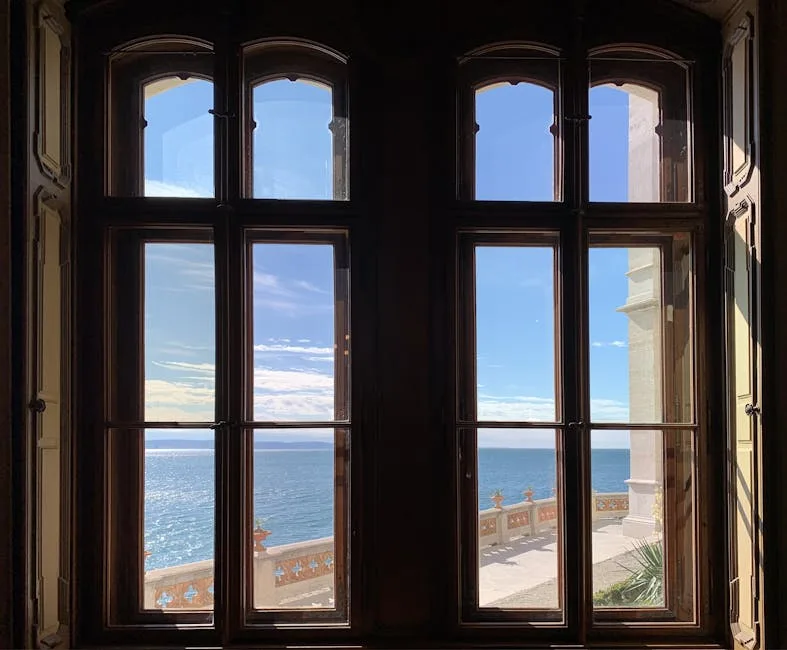
Immersive description of the interior visit: stepping into the castle rooms, you’re struck by the contrast between sumptuous decoration and the seascape visible through the windows. The Salon degli Specchi (Hall of Mirrors) and the Biblioteca (library) preserve period furniture, wood panelling and tapestries. Rooms are arranged to evoke the daily life of the imperial household, with personal objects, portraits and archives. Natural light filtered through old glass creates an intimate atmosphere; balconies offer direct views over terraced parkland and the sea.
Practical tips for the interior visit: favor early morning hours (or late afternoon in summer) to avoid crowds and enjoy low, soft light ideal for photography. Bring comfortable shoes and a light jacket: despite sunshine, the interior rooms can be cool because of conservation measures. Be mindful of photography rules: some rooms may prohibit flash or photography. Follow signage and respect cordoned areas to protect the collections.
The botanical gardens of Parco di Miramare: seasonal blooms and recommended routes
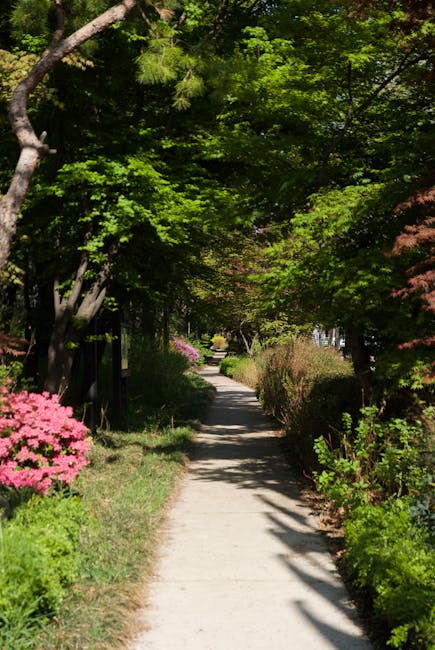
Parco di Miramare covers about 22 hectares surrounding the castle, with a rare mix of Mediterranean and temperate species. The official address is the same as the castle: Parco di Miramare, Viale Miramare, 34151 Trieste TS, Italy. The park’s layout follows 19th-century romantic principles: winding paths, sea views, stands of monumental trees, themed gardens and small secluded groves. Each season writes a new chapter in the plant story.
Spring: the most anticipated season, when rhododendrons and azaleas burst into color (March–May). Magnolias and cherry trees in certain sections create clouds of pink and white petals. For a spring stroll, follow the route that descends to the park’s southern terrace facing the sea: you’ll pass camellia and azalea beds before reaching panoramic viewpoints.
Summer: the park becomes a cool refuge. Maritime pines, eucalyptus and oleanders provide shade and scent. Lawns near the shore are perfect for a late-afternoon picnic. Coastal grasses, agaves and some exotic plants planted during the estate’s development give the landscape an almost Mediterranean feel. Cliffside trails require caution in strong mistral winds — in that case stick to the inner avenues.
Autumn: the palette warms. Plane trees and maples take on yellow and russet tones, contrasting with the dark evergreens of the pines. Autumn is also a great time for watching migratory birds stopping over in the bay. Mornings are often wrapped in marine mist that rises gently, producing atmospheric photographs.
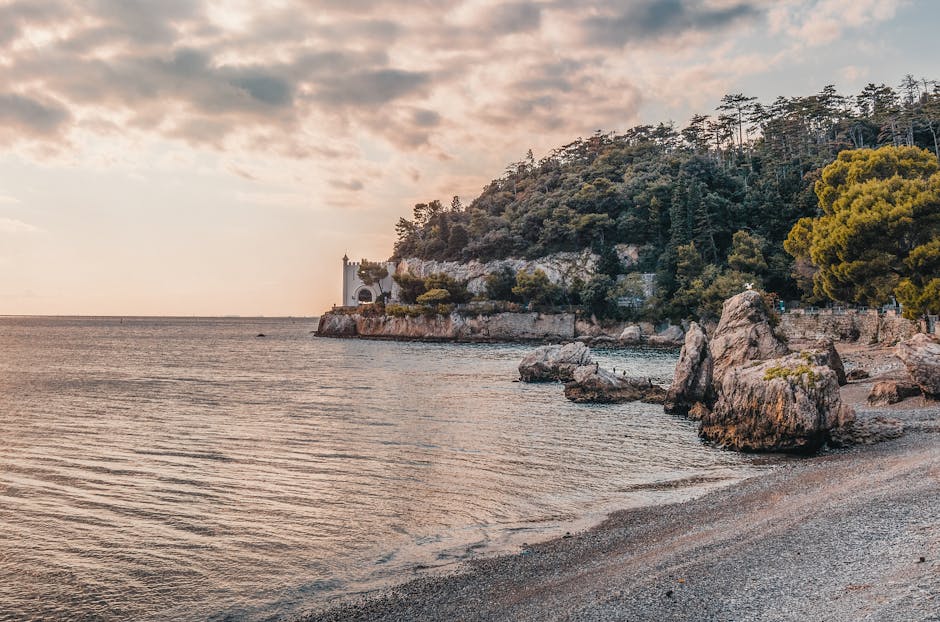
Winter: the sea moderates extreme cold, but colors become softer and the coast reveals a starker, more mineral face. Winter storms carve the cliffs and turn the shoreline into a dramatic stage; it’s an opportunity to witness high tides and light playing across the waves. Evergreen beds, notably conifers, retain an attractive structure when most deciduous trees are bare.
Recommended routes by season:
- Spring route (2 hours): main entrance → rhododendron avenue → southern viewpoint → coastal path → return via the northern terrace.
- Summer route (1.5 hours): main entrance in the morning → shaded inner sections → coastal lawns for a picnic → stop at the park café.
- Autumn route (2 hours): panoramic walk at sunset → birdwatching spots → photography during the golden hour.
- Winter route (1 hour): short inner loop with stops at sheltered points and a museum visit if open.
Local tips for the park: bring a small blanket for picnics (tents are often prohibited), respect signs and planting zones, and use refillable bottles — drinking fountains are located near the park entrances. Public toilets are near the museum reception and along busy areas; note that in low season some facilities may be closed. For photographers, the best hours are roughly one hour after sunrise and one hour before sunset for the richest colors.
The coast, cliffs and marine shows: walks, watching and safety
Miramare’s coastal position makes it a prime spot to witness marine phenomena: tides, swells, bora winds and bird migrations. The coastal promenade runs along limestone cliffs and occasional pebble beaches; it offers sweeping views over the gulf and Trieste’s skyline. The walkway circles the Miramare headland and is accessible from Viale Miramare, with several access points and stairs down to the sea.
Birdwatching: observers can spot gulls, kittiwakes, cormorants and, during migration seasons (spring/autumn), shorebirds and passerines stopping over. Bring binoculars and check the informational bird panels placed in parts of the park. Some coastal areas are reserved for nesting; respect barriers and maintain safe distances.
Marine spectacles to favor:
- Sunrises and sunsets: the light over the sea is spectacular, especially in autumn and winter when the air is clearer.
- Bora winds: strong local gusts that are dramatic to watch; avoid exposed ledges during gusts (speeds can get very high) and heed warning signs.
- Storms and heavy swell: view from high, secure points; the coast can become dangerous and slippery.
Safety and recommendations: don’t climb onto wet rocks after a storm — they’re slippery and can be hit by unexpected waves. Respect barriers and follow marked routes. In strong winds, shelter behind hedges or inside the park; gusts can catch even experienced visitors off guard. If you’re with family, keep children close on coastal paths.
Water activities and options: while Miramare isn’t primarily a watersports base, you’ll find small beaches and clubs nearby where you can rent kayaks or join boat trips to view the coast from the sea — check local operators in central Trieste. For diving or more technical activities, consult Trieste’s diving clubs (Trieste Diving Center and others) and check local marine regulations.
Practical info, access, detailed opening times, prices and local transport tips
Getting to Miramare is straightforward from central Trieste. Here are the main options, with addresses and handy tips.
By car:
- GPS destination address: Castello di Miramare, Viale Miramare, 34151 Trieste TS, Italy.
- Parking: there are parking areas along Viale Miramare and near the park’s main entrance. Spaces may be paid depending on the season (daily rates vary, roughly €2.50–€8.00 depending on location and duration). In high season, aim to arrive early to find a spot close by.
By public transport:
- Urban bus: several Trieste Trasporti lines serve Miramare from the city center. Line no. 6 is often mentioned as a direct link between Piazza Oberdan (via della Cassa di Risparmio) and Viale Miramare. Travel time: about 20–30 minutes depending on traffic. Single municipal bus fare: around €1.30–€1.50 (buy in advance at kiosks, ticket machines or via app). Check daily timetables on the Trieste Trasporti website.
- Regional train: Trieste Campo Marzio / Stazione di Miramare station is nearby and some regional services stop at Miramare. Approximate station address for reference: Stazione di Miramare, Viale Miramare, Trieste. Consult Trenitalia for schedules and fares (prices vary by route).
By bike and on foot:
- The coastal road is largely bike-friendly, with a few shared sections. From central Trieste to Miramare, plan for about 30–40 minutes by bike depending on route and pace.
- On foot, expect between 1.5 and 2 hours from the historic center to the park if you walk, allowing for stops and views.
Summary of hours and prices (check before you go):
- Castello di Miramare: typically open 9:00–19:00 (Apr–Sep) and 9:00–17:30 (Oct–Mar). Adult museum+castle ticket: €8–€12. Student/senior discounts: €6–€8. Park free to enter.
- Guided visits: audio guides or group guided tours: €3–€6 extra, sometimes bookable on site.
Local tips:
- Check the weather before you leave: the microclimate can change quickly, especially with bora gusts.
- The park is large; bring water and snacks if you plan to stay several hours — in high season there’s a small café near the entrance but service can be limited and busy.
- For optimal photography, plan to visit at sunrise (fewer people) or during the golden hour. Sunset over the sea casts warm tones on the castle facades.
- Respect signage and park rules: some beds are protected and off-limits to preserve biodiversity.
- If traveling by train or bus, keep your validated ticket to avoid local fines; checks can be frequent on tourist lines at weekends.
Seasonal events, photography and food experiences around Miramare
Miramare is also lively when it comes to cultural events and local culinary experiences. Seasons drive activity: temporary exhibitions at the castle, open-air concerts in the park, themed botanical tours and children’s workshops. Check the Direzione Regionale Musei Friuli Venezia Giulia calendar for events, usually posted on their website and local noticeboards.
Photography: for both amateurs and pros, Miramare offers rich subjects — ornate facades, castle salons, seascapes and macro shots of blooms. Observe tripod rules: sometimes prohibited inside the museum but generally allowed in the park. Best seasons for flower photography are April–May and October (for warm tones), while winter favors dramatic sea-and-sky images.
Food and refreshment stops: around the park, several places let you sample local cuisine: fresh seafood, Istrian specialties and classic cafés. Here are a few nearby spots to consider:
- Ristorante al Bagatto — Via di Miramare 25, 34151 Trieste TS. Fish and seafood specialties. Typical hours: 12:00–15:00 / 19:00–23:00. Main courses around €15–€30.
- Caffè Miramare (kiosk) — located near the park entrance on Viale Miramare. Hours: often 8:00–19:00 in season. Espresso €1–€2, snacks €3–€8.
- Trattoria al Porto — Porto di Santa Croce area, addresses may vary seasonally (check online); ideal for fresh local seafood.
Local dining tips: favor the day’s grilled fish and dishes based on octopus or cuttlefish, typical of the gulf. Pair with a local white wine (Friulano or Tocai) for a classic match. On a budget, pack a picnic with produce from Trieste’s markets (Piazza della Borsa or morning markets); the park has many spots for an outdoor meal, but follow anti-littering rules.
Accessibility and services: Miramare offers adapted access for visitors with reduced mobility, but some coastal areas remain hard to reach. If you have specific needs (wheelchairs, assistance), contact the museum administration in advance. Public toilets and an information point are located near the main entrance; in low season hours may be reduced.
Conclusion: plan your Miramare visit by season and interest
Miramare is not static: it reveals itself differently depending on months and hours, and every visit can offer a unique experience. In spring expect a chorus of colors and scents from rhododendrons and azaleas; in summer the park becomes a shaded retreat scented with resinous and floral notes; autumn brings warm hues and low light perfect for photography; in winter the coast displays a dramatic face where sea and sky take center stage. This guide has given you the essentials (Castello di Miramare, Viale Miramare, 34151 Trieste TS, Italy), indicative opening windows, estimated prices and season-based routes, plus practical advice to optimize each visit.
To get the most from Miramare, plan according to weather and your goal (photography, botany, family stroll, birdwatching). Arrive early to avoid crowds, check castle and exhibition hours, and don’t forget water and windproof clothing for the bora. Don’t underestimate local weather: it can turn a calm day into a spectacular natural show, or conversely make the coast surprisingly mild in winter.
Finally, adopt a respectful attitude toward this historic and ecological site: don’t pick plants, obey protective barriers, and leave the place as clean as you found it. Miramare is both a historical testimony and a living ecosystem — caring for it helps preserve a destination that will continue to amaze future generations. Safe travels to Trieste, and enjoy the ever-changing gardens and natural spectacles of the Miramare promontory.