





Introduction: Miramare, an outstanding coastal garden
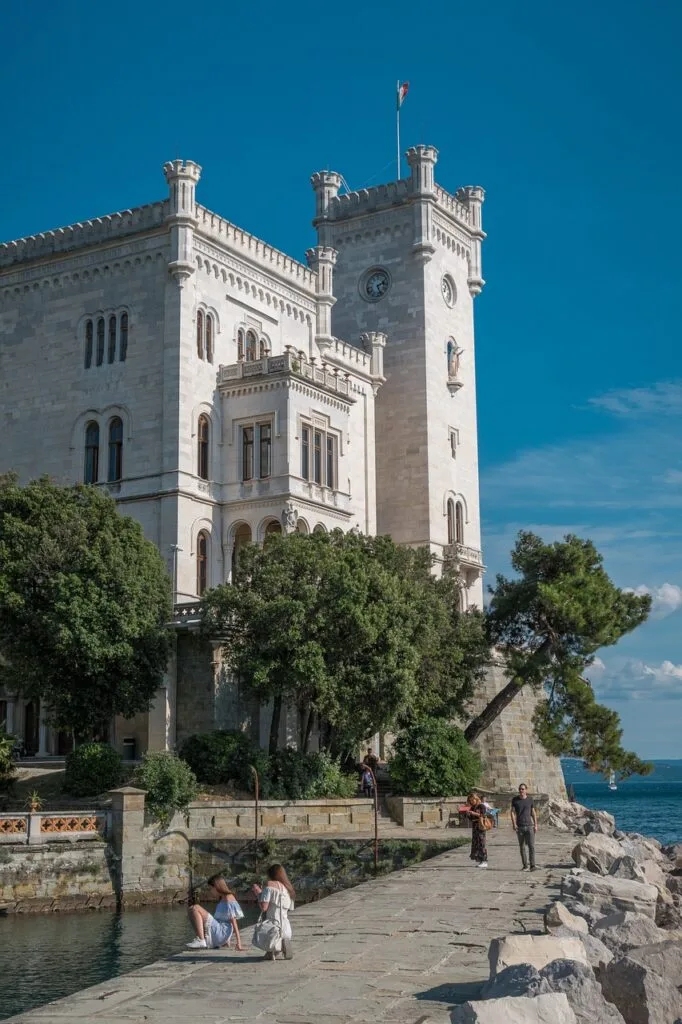
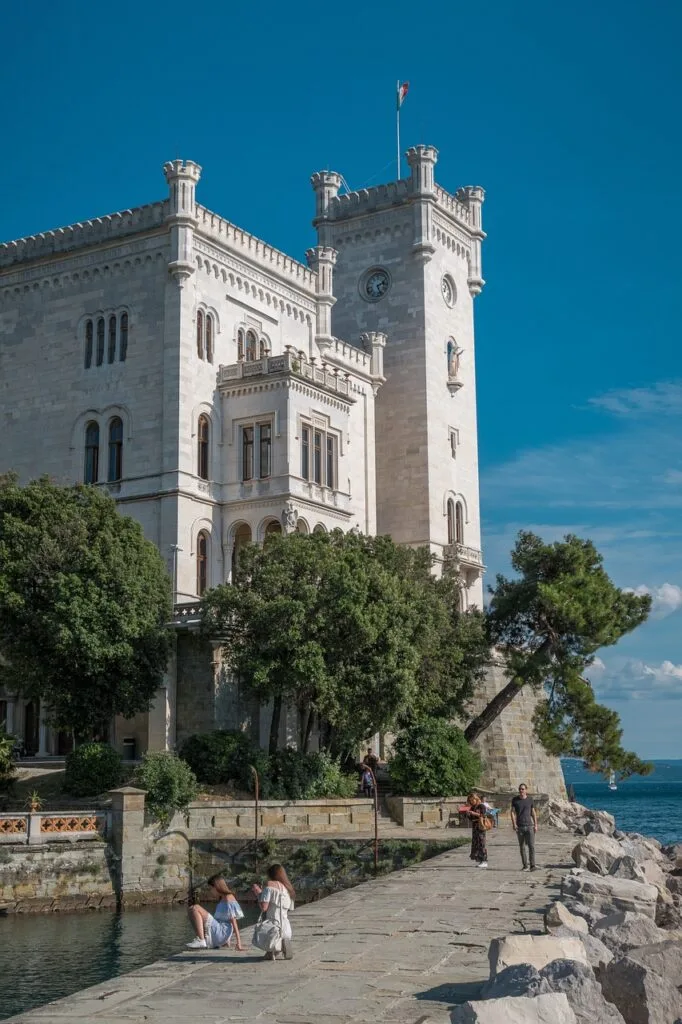
The Parco e Castello di Miramare in Trieste is one of the finest surviving examples of a historic coastal garden in the Mediterranean. Perched on the Adriatic shoreline, it blends exotic plantings, Mediterranean vegetation and natural coastal habitats that support an impressive array of birdlife and marine species. The site draws visitors for its romantic castle, but equally for the ecological and landscape quality of its gardens, which run along the sea and are integrated with the Miramare Marine Reserve. For travelers interested in botany, birding or simply a peaceful shoreline stroll, Miramare offers excellent opportunities for observation.
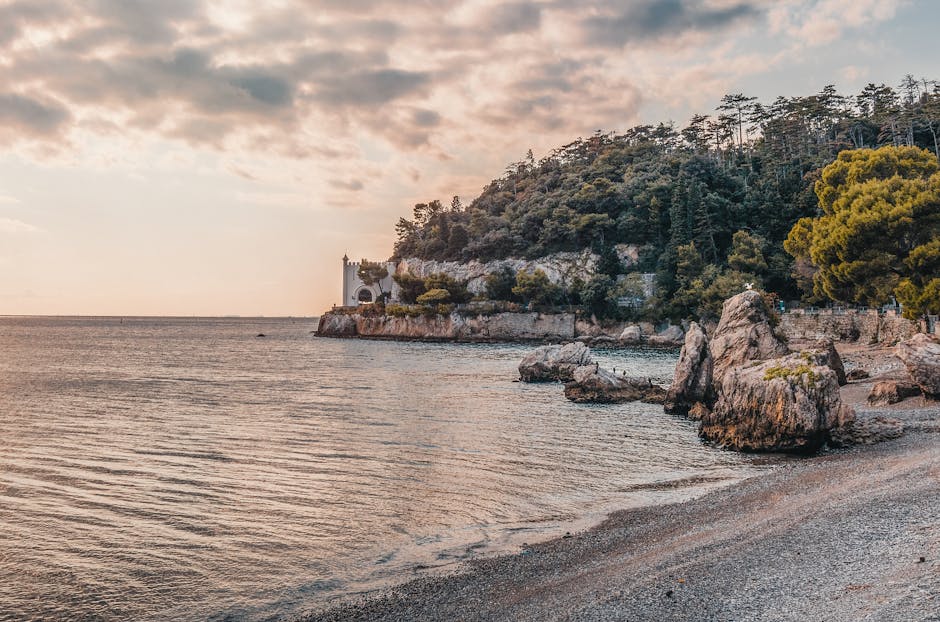
The estate’s main features include the Castello di Miramare (Viale Miramare, 34151 Trieste TS, Italy), the expansive Parco di Miramare surrounding it, coastal cliffs, rocky coves and open lawns. The castle, built for Archduke Ferdinand Maximilian of Austria in the 19th century, now functions as a museum and provides viewpoints over the sea and the planted areas. The park, designed as both an ornamental garden and a botanical collection, mixes local and exotic species — pines, oaks, cypresses, agaves, magnolias and marsh plants — which thrive here thanks to a mild microclimate shaped by the sea. These plants create habitats for diverse wildlife including coastal birds, butterflies, small mammals and, in the nearshore waters, fish and invertebrates typical of the Adriatic.
Practically speaking, Miramare is easy to reach from Trieste’s center by several means: city buses (notably line 6 toward Miramare/Grignano), bike via coastal paths, or car (limited parking around Viale Miramare). Castle and museum admission fees allow a full cultural visit; the park itself is usually freely accessible except where certain sensitive zones are protected. Nature-minded visitors should note opening hours, possible closure days and entry conditions for the marine reserve if they plan to combine land-based exploration with guided snorkeling.
This guide offers an immersive, guided-style tour of Miramare’s coastal gardens: detailed botanical descriptions, how to spot the most common animals, suggested routes, practical information (exact addresses, prices in euros, opening hours), and local tips to make the most of your visit while respecting the site’s ecological fragility. Whether you’re a hobby naturalist, photographer, family out for a stroll or a curious traveler, this text will help you plan a full day at Miramare, locate botanical and wildlife highlights, and adopt behaviors that protect this exceptional place.
1. Castello di Miramare and its surroundings: history, museum and the first habitats
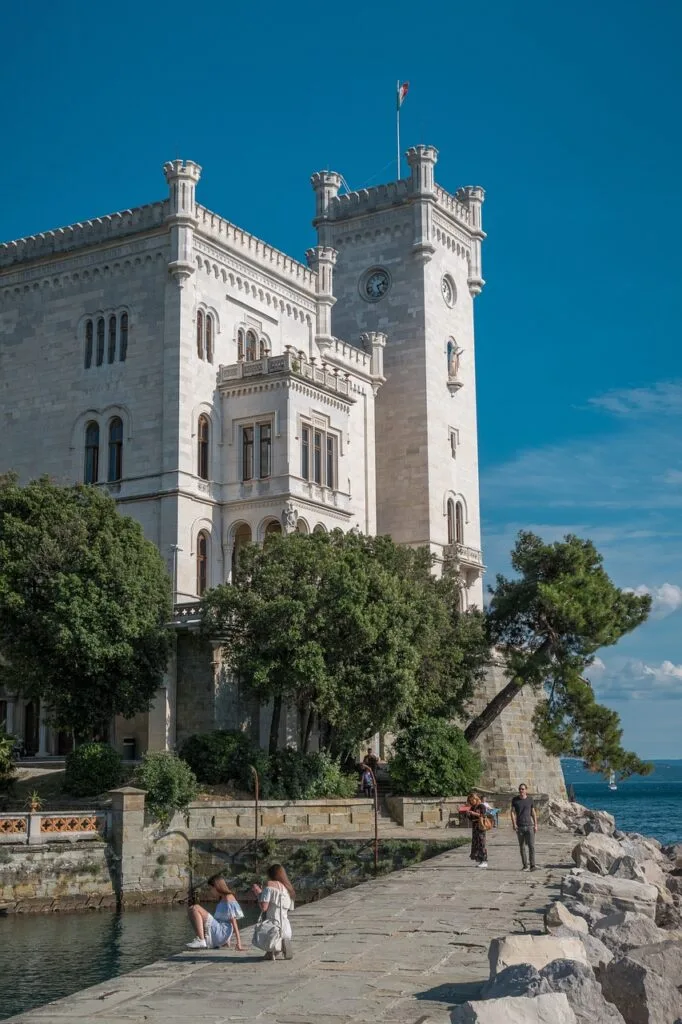
The Castello di Miramare (address: Viale Miramare, 34151 Trieste TS, Italy) is the natural starting point for exploring the coastal gardens. Built between 1856 and 1860 for Archduke Ferdinand Maximilian, the castle retains interior layouts and a historic park that show how 19th-century aristocracy combined aesthetics and botany. The complex is managed by il Polo Museale del Friuli Venezia Giulia (or the locally equivalent body); opening times vary by season: generally open 9:00–19:00 in high season (April–September) and 9:00–17:00 in low season (October–March). Ticket prices for the museum and castle are set at the ticket office: full price around €10, reduced €7.50, with free or discounted entry for children, students and local cultural card holders (check at the ticket office before your visit for up-to-date confirmation).
Surrounding the castle, the first lawns and groves illustrate the transition between ornamental planting and coastal vegetation: large Aleppo pines (Pinus halepensis) that shelter from sea winds, magnolias and camphor trees introduced for their blooms and scent, and lines of cypresses that frame the views. On the seaward facade, there are beds of agaves (Agave americana) and aloes — succulents adapted to saline exposure — as well as reedbeds and small artificial marshes that encourage breeding by birds such as the black redstart, the great tit and, closer to the shore, coastal species like gulls and terns.
Practical tips: buy your tickets at least 30 minutes before closing if you plan to visit the castle interior; wear comfortable shoes for climbing sloped paths and reaching sea-facing viewpoints. For photographers, the best light is early morning or late afternoon when the sun skims the horizon, illuminating facades and coastal foliage. Interpretive panels around the castle provide historical and botanical information; do not leave marked trails in areas signed as protected to preserve rare plant stands.
2. Parco di Miramare: plant species and landscape design
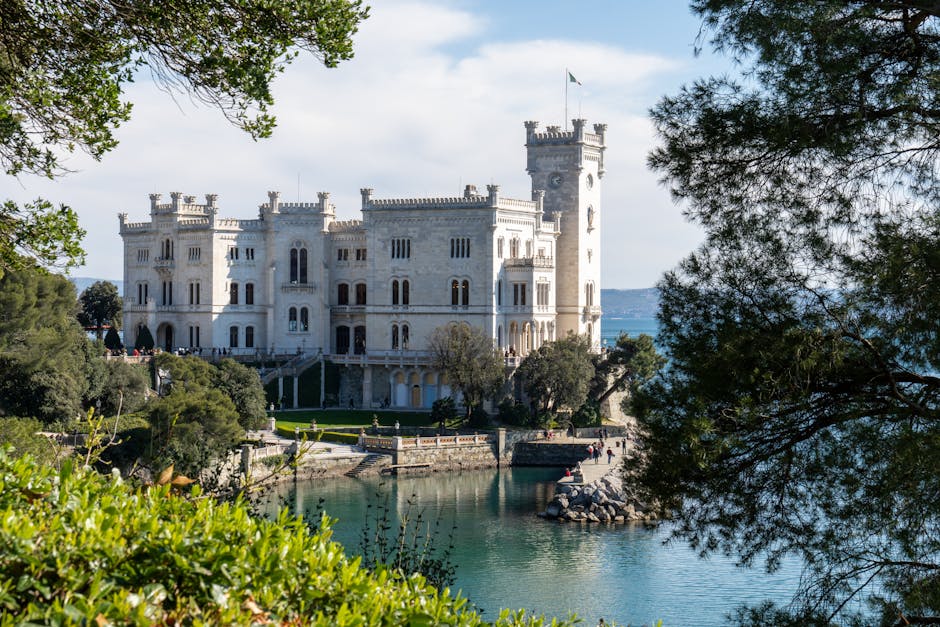
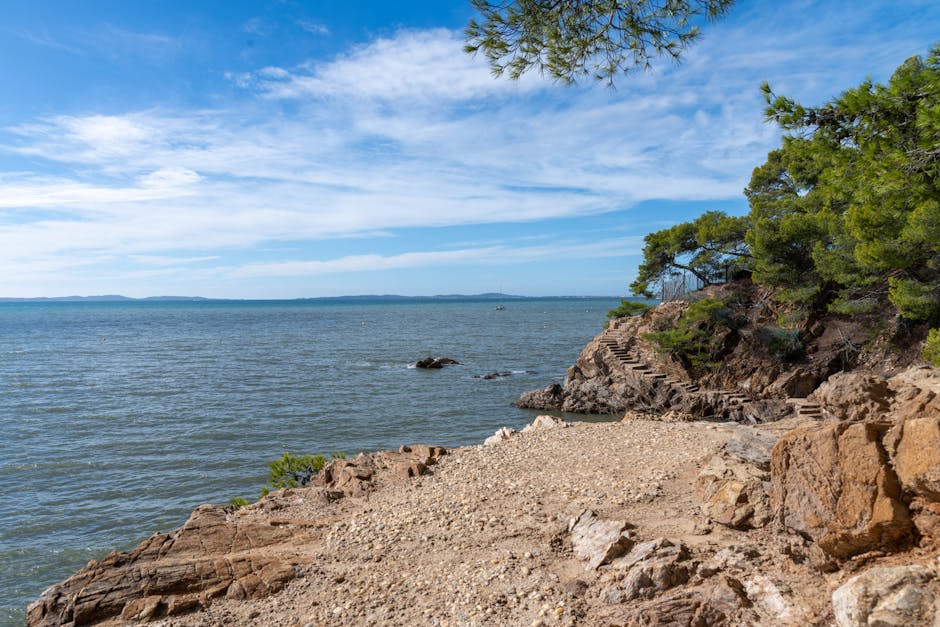
The Parco di Miramare covers roughly 22 hectares around the castle and terraces down toward the sea. Originally conceived as an ornamental garden, it now holds significant botanical and ecological value. The park brings together masses of conifers and broadleaves, exotic plant collections, meadow areas and paths along coastal cliffs. Main avenues (Viale Miramare and secondary paths) are paved and sometimes shaded; they let you walk the coast to reach panoramic spots like the Baia di Grignano and small rocky coves where vegetation clings between limestone blocks.
Species to look for include: Pinus pinea (umbrella pines), Pinus halepensis, Quercus ilex (holm oak), Olea europaea (olive), Ficus carica (fig), several Tamarix species, and exotic trees from 19th-century plantings: Sequoia sempervirens, Metasequoia glyptostroboides, and various magnolias and camphor trees. The lawns, managed as wildflower meadows, attract butterflies (Issoria lathonia, Polyommatus icarus) and solitary bees essential for pollination of both ornamental and native plants.
The landscape design strikes a balance between cultivated areas and natural fringes: cliff edges are managed extensively to allow pioneer coastal plants (littoral crucifers, saxifrages) and lichens to coexist, while ponds and reedbeds support amphibians and shorebirds. Special attention is paid to conserving species tolerant of salt and wind. The park also features small nesting boxes and information panels explaining how the maritime microclimate helps maintain a rich and varied flora.
Local tips: botanists will benefit from a guided tour organized by park staff (inquire at the Castello di Miramare information point) to identify rarer species and get access to otherwise closed areas. Don’t pick or uproot plants: many species have cultural and ecological value. Bring a pocket magnifying glass and a Mediterranean plant guide if you want to deepen your observations. In summer, protect yourself from the sun and stay hydrated; in autumn, the colours and tranquility make for especially pleasant walks.
3. Wildlife on site: birds, invertebrates, fish and mammals
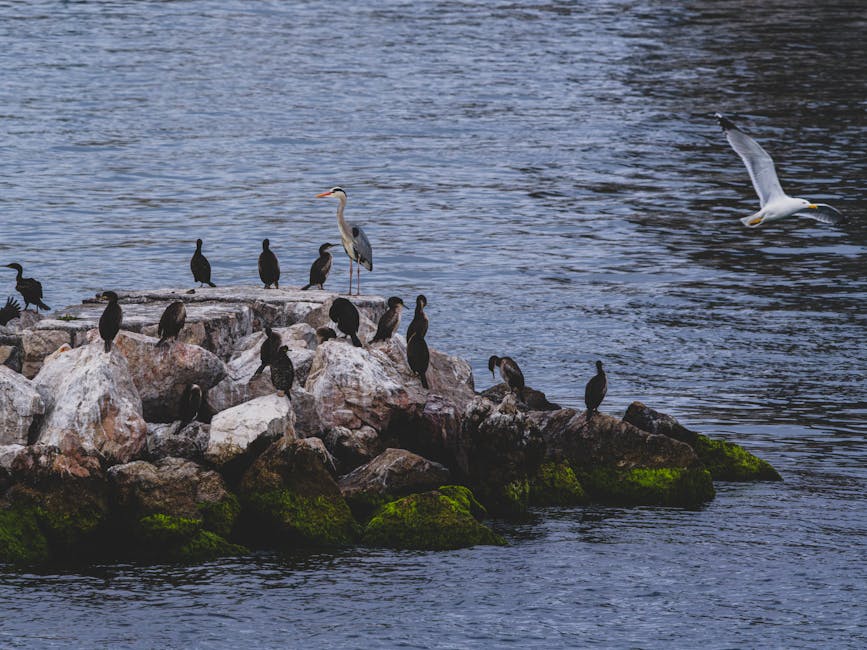
Miramare’s wildlife diversity is concentrated along the land–sea edge where forest, meadow, cliff and coastal waters meet. Birdwatching is the most accessible pastime for visitors: both resident and migratory species are recorded here. In trees and thickets you may spot the great tit (Parus major), black redstart (Phoenicurus ochruros), Sardinian warbler (Sylvia melanocephala) and dunnock (Prunella modularis). Along the shoreline, yellow-legged gulls (Larus michahellis) and black-headed gulls (Chroicocephalus ridibundus) frequent rocks and coastal lawns, while cormorants (Phalacrocorax carbo) and herons can be seen fishing offshore.
Meadows and grassy areas teem with butterflies and insects: diurnal species such as the scarce swallowtail (Iphiclides podalirius) and various Nymphalidae, plus a diversity of solitary bees and hoverflies contributing to pollination. Wet areas and reedbeds near the castle may host amphibians (green frogs) and small reptiles (lizards and ocellated lizards). At night, resident bats hunt insects above the walkways.
Marine life visible from the shore and on guided outings is typical of the Adriatic: schools of mullet and sardines along the rocks, gobies and blennies in the coves, and a variety of invertebrates (crustaceans, clams, sea urchins and starfish) in Posidonia meadows. The Riserva Naturale Marina di Miramare, created to protect these coastal and benthic habitats, restricts certain nautical activities in specific sectors; for snorkeling or diving you must check with local operators and respect protected zones. These rules aim to preserve Posidonia oceanica, underwater meadows essential for biodiversity and shoreline stability.
Observation tips: bring binoculars for birding and a small net/mask for kids if you explore rockpools at low tide — always respecting bans on collecting protected species. For marine observations, favor guided excursions run by licensed Trieste centers that know reserve boundaries and sensitive breeding periods. And never feed the birds: this alters their behavior and can advantage commensal species over native ones.
4. Suggested routes, practical information and local tips
Planning a visit to Miramare requires a few practicalities to get the most from the site. How to get there? From Trieste city center (Trieste Centrale), take city bus No. 6 toward Miramare/Grignano (stop: « Miramare Castello »). The trip takes around 20–30 minutes depending on traffic. Exact castle address: Castello di Miramare, Viale Miramare, 34151 Trieste TS, Italy. If you arrive by car, follow the SS14 toward Miramare; paid parking is available near the park (parcheggio pubblico Viale Miramare); spaces can be limited in high season, so it’s best to arrive early in the morning.
Hours and prices: the park is usually freely accessible, though some protected areas may be temporarily closed for maintenance or conservation reasons. The Castello di Miramare typically opens 9:00–19:00 in high season and 9:00–17:00 in low season; indicative museum/castle entrance prices: full €10, reduced €7.50, free entry for children under 6 and certain special days (check Trieste’s tourist office or the official site before you go). Guided botanical or birdwatching tours are offered occasionally by local associations and park staff; prices and schedules vary, so booking in advance via the castle ticket office (biglietteria del Castello) or the Trieste tourist information office is recommended.
Three recommended itineraries depending on your time and interests:
- Short walk (1–2 hours): start at the castle, enjoy a sea viewpoint, descend to the coast to observe coastal meadows and return along the tree-lined avenue. Ideal for families with children.
- In-depth botanical route (3–4 hours): follow the secondary paths to find sequoias, magnolias and exotic collections, pause at interpretive panels and, if available, join a guided tour.
- Wildlife and coastal observation (half day): visit early morning or late afternoon for birdwatching, complemented by a guided snorkeling outing in authorized areas of the marine reserve to discover Posidonia meadows and littoral fish.
Practical local tips:
- Bring water and a hat in summer; there are vendors near the castle but prices may be higher.
- Respect signage and barriers around protected areas; do not leave marked trails near the cliffs.
- If you plan to snorkel, check with licensed Trieste operators (diving and snorkeling) and avoid any contact with Posidonia oceanica; collecting marine animals is strictly prohibited within the reserve.
- Photography tip: best light at dawn and dusk; bring a telephoto lens for birdwatching.
- Follow anti-plastic rules: carry out your rubbish or use provided bins, since anthropogenic waste harms marine and terrestrial wildlife.
Conclusion: protect and enjoy Miramare for future generations
Visiting Miramare’s coastal gardens in Trieste is an experience that combines history, botany and marine exploration. The site shows how a historic park can coexist with contemporary ecological values: 19th-century ornamental plantings today blend into a network of habitats favorable to a diverse terrestrial and marine fauna. As you stroll the paths of the Parco di Miramare and observe life teeming on the rocks and in coastal waters, you become aware of the fragility and richness of these littoral ecosystems.
To help keep this place intact, adopt a responsible visitor attitude: follow signs and respect closed areas, limit nocturnal disturbance, don’t pick plants or feed wildlife, and choose licensed local operators for marine activities. The practical details given here — exact castle address (Viale Miramare, 34151 Trieste TS, Italy), indicative hours (typically 9:00–19:00 in high season), and approximate prices (castle entry: full €10, reduced €7.50) — will help you plan, but I recommend checking the latest updates on the Castello di Miramare’s official site or with the Ufficio Turistico del Comune di Trieste before you travel.
Miramare rewards curiosity and slowness: take the time to identify a plant, listen to a bird’s song at dawn, or watch a rock colonized by algae and shells. Each season shows a different face: spring brings blooms and songbirds; summer, flower-rich meadows and active marine life; autumn, softer colours and golden light; winter, passing flocks of migratory birds and a quieter park atmosphere. With respect, preparation and curiosity, your visit to Miramare will not only be personally rewarding but will also contribute to preserving a natural and cultural heritage worth passing on to future generations.