




Introduction — Hidden pathways between sea and hills in Trieste
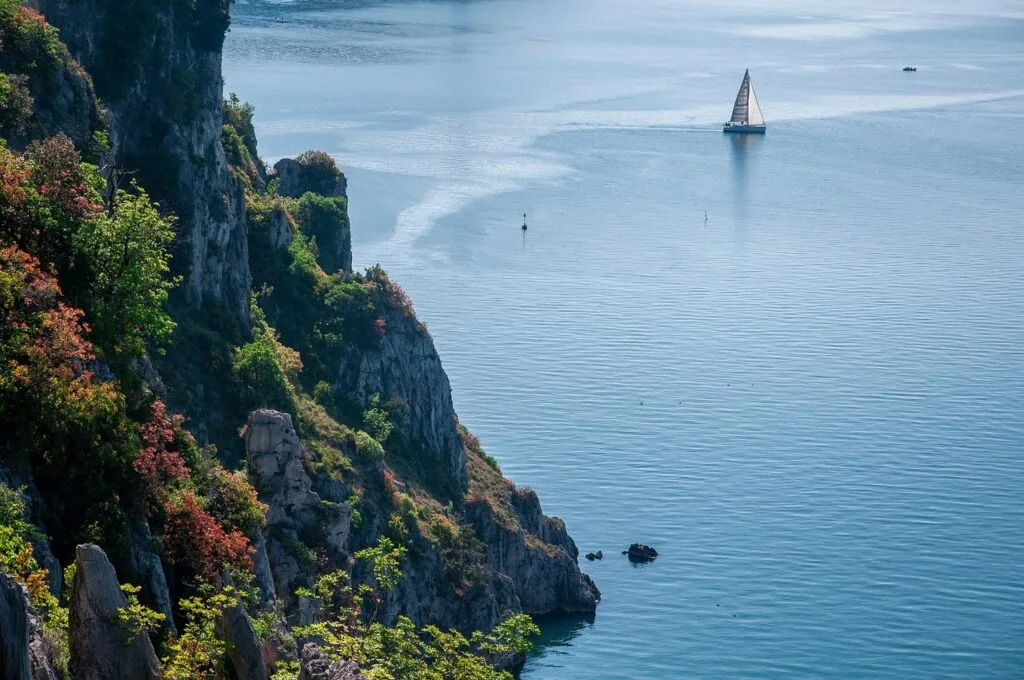
Trieste is an Italian port city on the Adriatic where Slavic, Germanic and Latin influences meet. Between limestone cliffs, vineyard-covered hills and an intense blue sea, the city hides a wealth of discreet passageways — narrow lanes, stairways, footpaths and covered passages — that link the waterfront to the green heights. These routes, sometimes used for centuries by fishermen, merchants and local walkers, offer an immersive, authentic way to see Trieste beyond the usual tourist stops. In this guide I’ll walk you through those “hidden pathways,” with exact addresses, opening hours and entry fees where applicable, sensory descriptions, and practical tips to help you enjoy these crossings between sea and hills.
Away from crowded circuits, Trieste’s hidden paths unveil unexpected views: stone steps that open onto seaside overlooks, cool lanes lined with colorful houses, small chapels tucked into the slopes, and trails winding among olive trees and vines. These routes invite you to slow down, listen to the lap of the waves, breathe air charged with salt and the scent of pine and scrub, and watch residents who still use these shortcuts in daily life. They’re also a great way to reach iconic spots like the Castello di Miramare or the Barcola promenade while discovering lesser-photographed corners.
This detailed guide is aimed at urban hikers, photographers hunting for fresh perspectives, families looking for a different stroll, and any curious traveler. You’ll find practical information (full addresses: street, postal code, city), opening hours and prices in euros when relevant, plus local tips (best times of day, recommended gear, precautions). The routes presented are intended to be walkable and combinable, letting you build a half-day or full-day of walks between sea and hills. I also flag water points, cafés and useful services along the way so your outing stays comfortable and without surprises.
1) The Barcola to Miramare route: coastal walk and lookout points
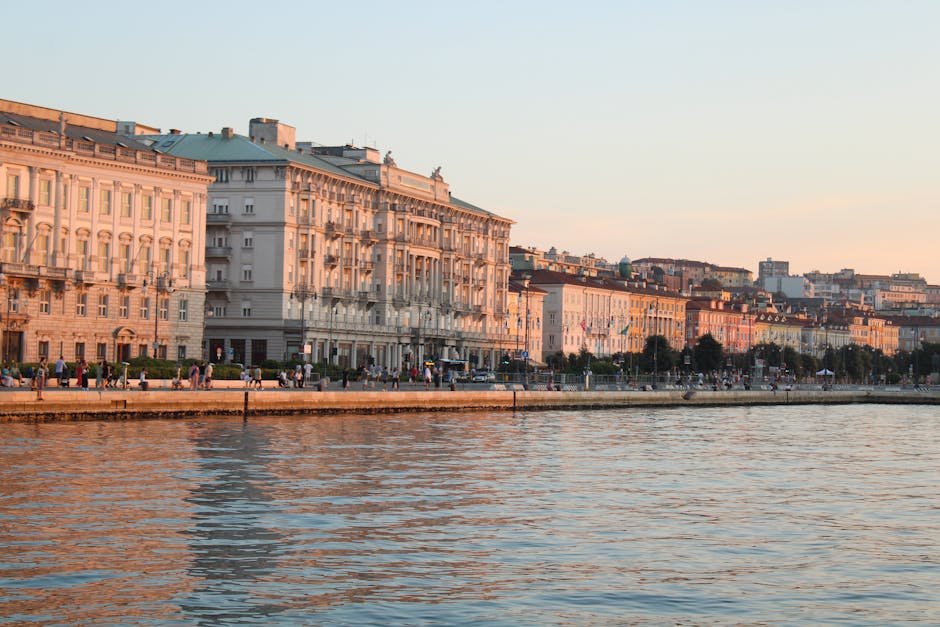
Start your seaside crossing on the well-known Barcola promenade (Lungomare R. G. / Lungomare Trieste), a favorite relaxation spot for Triestini. Recommended starting address: Lungomare R. G. 1, 34135 Trieste TS. This flat waterfront is lined with arranged rocks where locals sunbathe and swim. Follow the shoreline west toward the Castello di Miramare, along a route that alternates between paved paths and easy rocky sections depending on tides and maintenance.
The Castello di Miramare sits at Viale Miramare, 34151 Trieste TS. It’s a 19th-century palace overlooking the sea, set in a large romantic park. Indicative opening hours for the Castello di Miramare: open daily from 9:00 to 19:00 (last admission 18:00) in high season, closed December 25; check online for seasonal variations. Entry fee to the museum and historical apartments: around €10 for adults, with discounts for students and seniors (≈€5–7). The park is free to enter and is a perfect shady stop before you head up into the hills.
The key hidden passage in this section: behind the park’s gardens several small dirt tracks and stone stairways climb toward the hamlet of Grignano and the Basovizza viewpoint. These trails aren’t always signposted but offer spectacular views over the Gulf of Trieste and the cliffs. Bring closed shoes for the stony stretches and water: you can’t count on fountains along these paths. Best times for the walk: sunrise for quiet, soft light, or late afternoon for pleasant temperatures and golden-hour views.
2) Steps and lanes from the old town up to San Giusto
Trieste’s historic center, or Città Vecchia, hides networks of lanes and stairways that link Piazza Unità d’Italia (Piazza Unità d’Italia, 34121 Trieste TS) to the heights of Collina di San Giusto. Piazza Unità is the perfect starting point: a main square opening onto the sea, surrounded by historic cafés. The Monumento ai Quattro Popoli (on the square) and cafés like il Caffè San Marco (Piazza della Borsa, 2, 34121 Trieste TS — approximate hours 8:00–20:00) make for a pleasant stop before you climb.
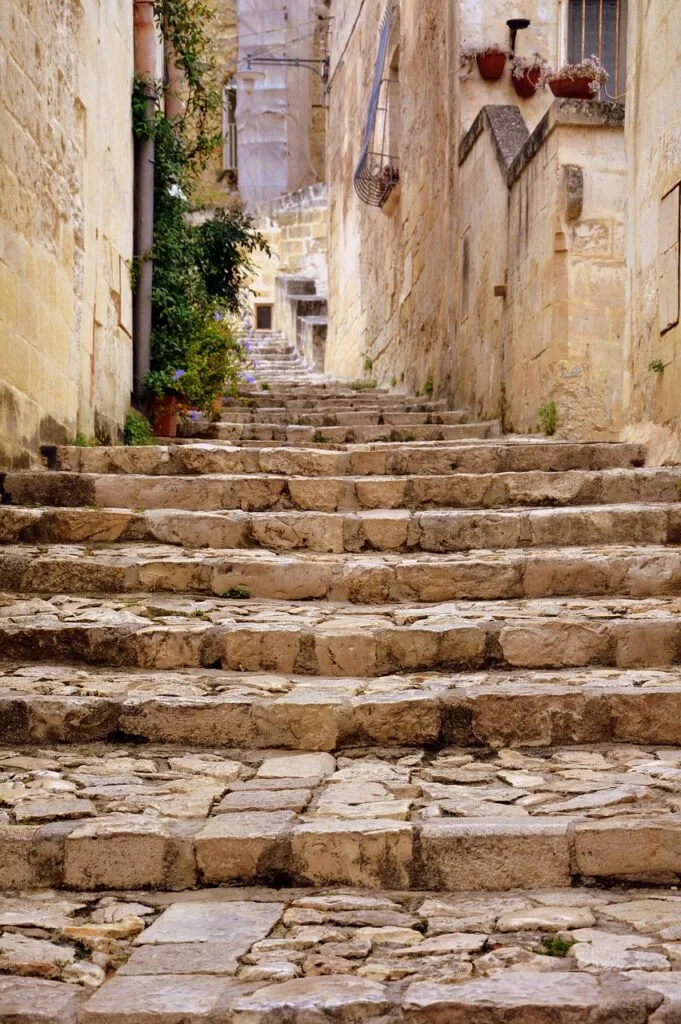
Take the small side streets perpendicular to the square (Via della Cattedrale, Via Fabio Severo) and dive into the narrow stairways that rise toward the Cattedrale di San Giusto (Piazza della Cattedrale, 3, 34121 Trieste TS). The cathedral is generally open 9:00–17:00; admission is free, donations welcome. The staircases and in-between passages pass through residential neighborhoods, artisan workshops and small grocery shops: you rarely encounter tourist groups here. These lanes give a true glimpse of Triestine daily life, with geraniums in window pots and cats napping on the steps.
Once you reach the Cattedrale di San Giusto and the Castello di San Giusto (Piazza della Cattedrale, 3 — same general address), enjoy panoramic views over the bay and the Molo Fratelli d’Italia breakwater. Opening hours for the Castello di San Giusto: generally 9:00–19:00 in high season; museum entry around €6–€8. Local tip: take the “Sentiero Rilke” (urban section) early in the morning to avoid heat and watch Trieste wake up. Carry cash for small shops and cafés that may not accept cards.
3) Into the Trieste Karst: caves, lookouts and secret vineyards
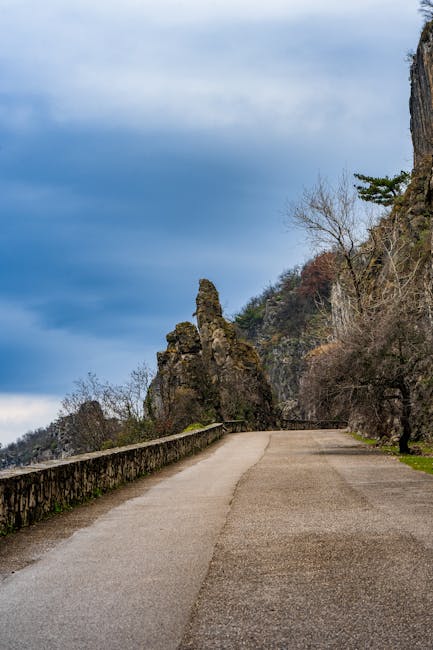
Behind the city stretches the Carso (Karst), a limestone plateau dotted with dolines, caves and trails. Several paths link the coast to the Karst heights through wooded, steep sections. A common access point is the Prosecco area and the Opicina neighborhood (Località Opicina, 34149 Trieste TS). The funicular or local buses (Opicina stop — check lines 2/2S depending on season) will get you faster to the edge of the plateau.
One must-see in the Karst area is the Grotta Gigante (Via Marino Moretti, 1/3, 34010 Sgonico TS — sometimes listed under Trieste). Guided tours run regularly, generally 9:00–17:00 (seasonal variations); the last tour often departs in the late afternoon. Indicative price: about €12–€15 for adults, with discounts for students and children. The cave is an impressive geological spectacle; visits are guided and non-slip shoes are recommended.
The Karst’s hidden routes also lead to family-run vineyards and tiny trattorie. For example, the local wine road leads to farms offering tastings; a sample address: Azienda Agricola Eredi Grillo, Via del Carso, 18, 34149 Contovello TS (hours vary, reservations recommended, tastings ≈€10–€20 depending on the selection). Tip: plan this section for the afternoon when the light brings out the plateau’s textures and the sea breeze provides a welcome cool-down. Bring a map or local GPS app — some tracks are poorly marked and mobile coverage can be patchy.
4) Urban shortcuts and covered passages: markets, the port and old cafés
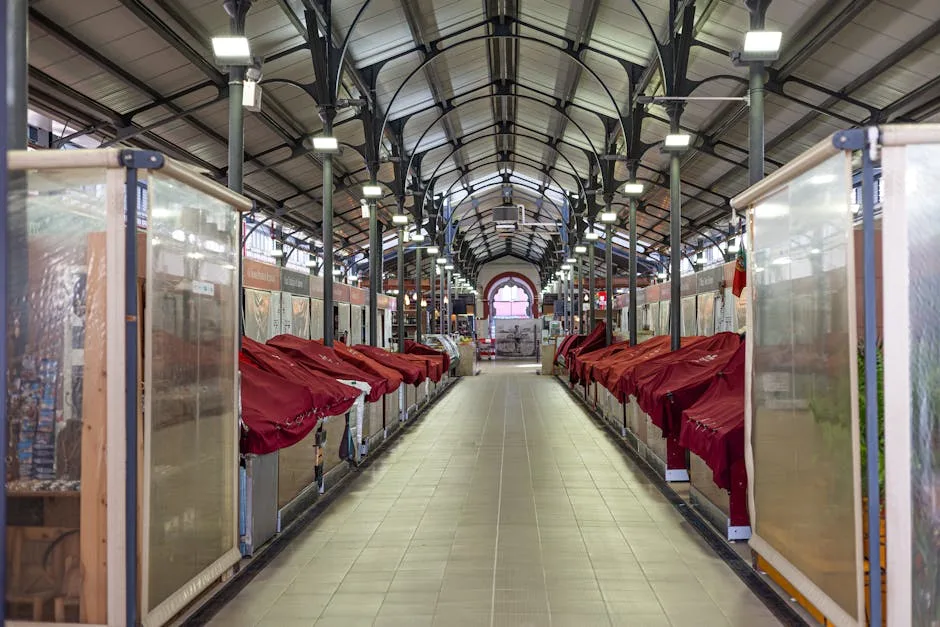
Between the waterfront and the hills, Trieste also features numerous covered passages and small urban tunnels that serve as practical shortcuts. The Mercato Coperto di Trieste (Via Carducci, 3, 34122 Trieste TS) is an excellent starting point for a tasty crossing: open Tuesday to Saturday, generally 7:00–13:00 and 17:00–19:00 (check locally for changes). You’ll find fresh fish, cheeses and local pastries. After the market, take transverse passages like Via Mazzini and the maze behind the Stazione di Trieste Centrale (Piazza della Libertà, 1, 34132 Trieste TS).
The Porto Vecchio and the Canal Grande (Canal Grande, 34121 Trieste TS) offer maritime perspectives and small pedestrian bridges linking neighborhoods and hills via stairways. A recommended stop is Caffè Torinese (Piazza Unità, 2, 34121 Trieste TS — varied hours 7:30–20:30) for a classic espresso before you climb toward the heights. These covered passages are perfect in changeable weather and let you admire late Austro-Hungarian architecture.
Practical tips for these shortcuts: watch shop opening hours, carry a small headlamp if you plan to pass dimly lit tunnels late in the day, and respect residents’ privacy. If you have half a day, combine the market + Canal Grande + climb to San Giusto via the lanes: it’s a route that shows how port life and hillside life are woven together in Trieste.
Local tips and good practices
- Shoes: opt for closed, grippy shoes; some passages are rocky and slippery after rain.
- Timing: best hours are early morning and late afternoon for the light and cooler temperatures.
- Transport: ACTV/Trieste Trasporti buses are handy; buy tickets in advance at a tabaccheria or via the local app.
- Safety: respect private property and don’t tackle unmaintained trails without proper gear.
- Language: a few words of Italian (hello = buongiorno, thank you = grazie) go a long way with locals.
Conclusion — Embracing Trieste through its secret passages
Trieste lends itself beautifully to slow exploration and discoveries along less obvious routes. Between the sparkling sea and the Carso’s limestone hills, the hidden pathways reveal the city’s soul: a mix of maritime history, village traditions and multicultural influences. By following the Barcola promenade up to Castello di Miramare, climbing the center’s stairways toward San Giusto, heading up to the karst plateau or crossing the market-to-port covered passages, you’ll compose a personal narrative of Trieste where each turn brings a new view, a new scent, a different shimmer of light on the water.
This guide has given you precise addresses (Piazza Unità d’Italia, 34121 Trieste TS; Viale Miramare, 34151 Trieste TS; Piazza della Cattedrale, 3, 34121 Trieste TS; Via Carducci, 3, 34122 Trieste TS), price indications (e.g. Castello di Miramare ≈ €10, Grotta Gigante ≈ €12–€15, Castello di San Giusto ≈ €6–€8) and general opening times. Keep in mind that hours and prices can change with the season and maintenance: check official sites or call ahead before you go. Above all, take your time — the true reward of these hidden passages is the feeling of having found a corner of Trieste few visitors see, and understanding why locals love these shortcuts between sea and hills.
Whether you’re a photographer searching for fresh angles, a fan of contemplative walks, or a curious traveler, Trieste’s hidden pathways offer a range of intimate, memorable experiences. Respect the places you visit, support the local economy with a coffee or market purchase, and most importantly, let the city lead you: Trieste speaks softly, but it tells many stories to those who follow its secret routes.