





Introduction — Why Choose Trieste as Your Cruise Departure Point
Trieste, that Austro-Hungarian–tinged port city tucked into the northeastern tip of the Adriatic, is far more than just a cruise terminal: it’s a historic, cultural gateway to the central and eastern Mediterranean. The Port of Trieste enjoys a strategic location close to Italy, Slovenia, Croatia and the Balkans, allowing for varied routes that mix baroque cities, medieval towns and sun-soaked islands. Beyond its geography, Trieste charms with a cosmopolitan vibe, literary cafés, seaside palaces and coastal scenery, making embarking or disembarking here a genuine part of the travel experience.
The Terminal Crociere di Trieste (Stazione Marittima / Porto Vecchio) welcomes a wide range of ships every year, from luxury ocean liners to smaller expedition vessels. Modern port facilities make boarding smooth and ground transfers to the city efficient. On the cruising side, you’ll find classic Adriatic & Greece itineraries, routes combining southern Italy and Dalmatia, crossings to Turkey and even itineraries heading to the western Mediterranean via the Otranto Strait. That gives you lots of flexibility depending on whether you’re after beach time, history and architecture, or coastal hiking and nature.
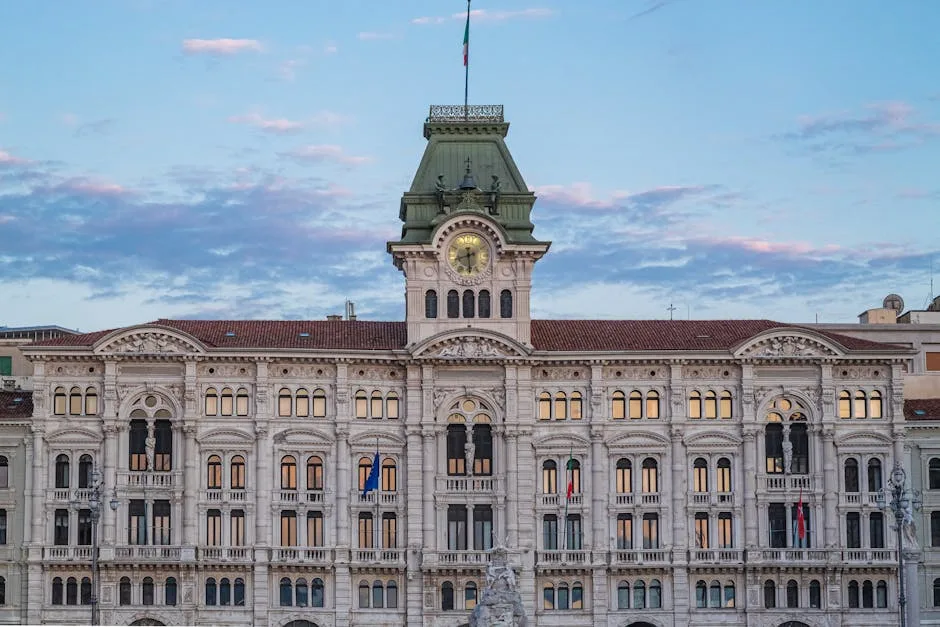
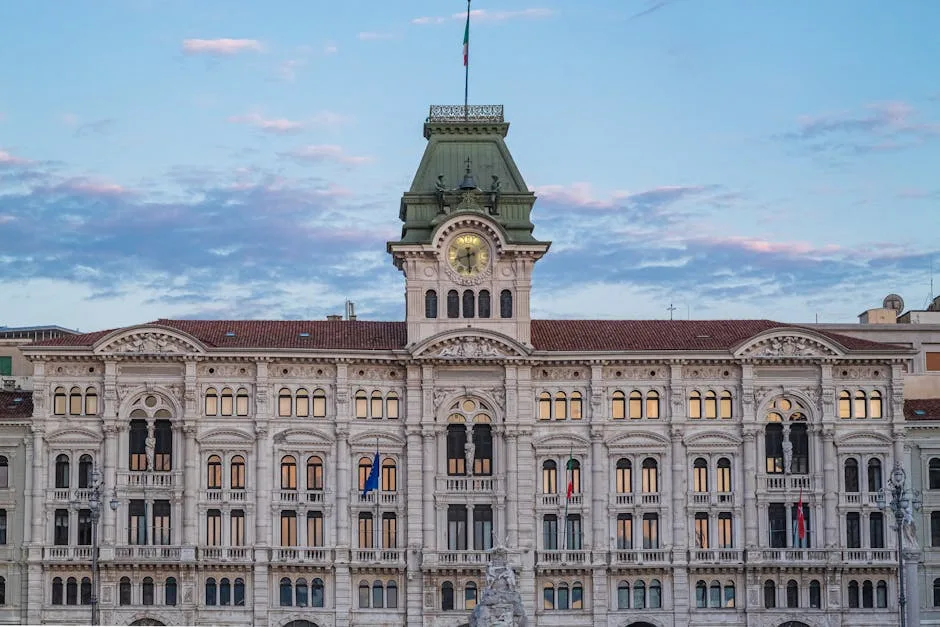
But beyond logistics, Trieste should be on your map for its heritage: Piazza Unità d’Italia opening right onto the sea, the Miramare Castle perched on the cliffs, San Giusto Cathedral with panoramic views, and a food scene blending Italian, Slovenian and Austro-Hungarian influences. Travelers leaving on a cruise from Trieste often arrive early to explore the city, or extend their trip by returning by sea. Shore excursions organized by cruise lines often include the local highlights, but wandering Trieste independently—through its laneways and historic cafés like Caffè Tommaseo—adds an authentic flavor you won’t easily find elsewhere.
Finally, sailing from Trieste also gives you convenient connections to international airports (Trieste-Ronchi dei Legionari, Venice Marco Polo), rail links to Ljubljana and Vienna, and a road network that makes transfers straightforward. This geographic and cultural context makes Trieste an excellent starting point for cruises that combine a variety of ports with logistical comfort. In this article, we outline the must-see itineraries leaving from Trieste, with practical details, exact addresses, opening hours, indicative prices and local tips to make the most of each stop.
Itinerary 1 — Classic Adriatic Cruise: Trieste, Venice, Piran, Split, Dubrovnik
The classic Adriatic cruise is perfect for those wanting to pair Venetian splendor with the gems of the Croatian coast. Departing from the Terminal Crociere di Trieste (Stazione Marittima, Riva Nazario Sauro 1, 34121 Trieste), the typical route heads south along the coast with stops offering architecture, maritime history and beaches. Each port deserves some planning with key sights and practical tips.
Venice (Venice Cruise Terminal, Porto Marghera or Stazione Marittima, Riva degli Schiavoni, 30122 Venezia VE) is often the first big stop. Suggested timings: museums and St. Mark’s Basilica (Piazza San Marco, 30100 Venezia) generally open between 9am and 10am; parts of the basilica are free but €5–€10 may apply for the museum and treasury depending on the season. Indicative prices: guided tour of St. Mark’s Basilica €20–€35, Doge’s Palace €25 entry. Tip: arrive early to beat the crowds and buy an ACTV vaporetto pass (1 hour ~€8, 24 hours ~€25).
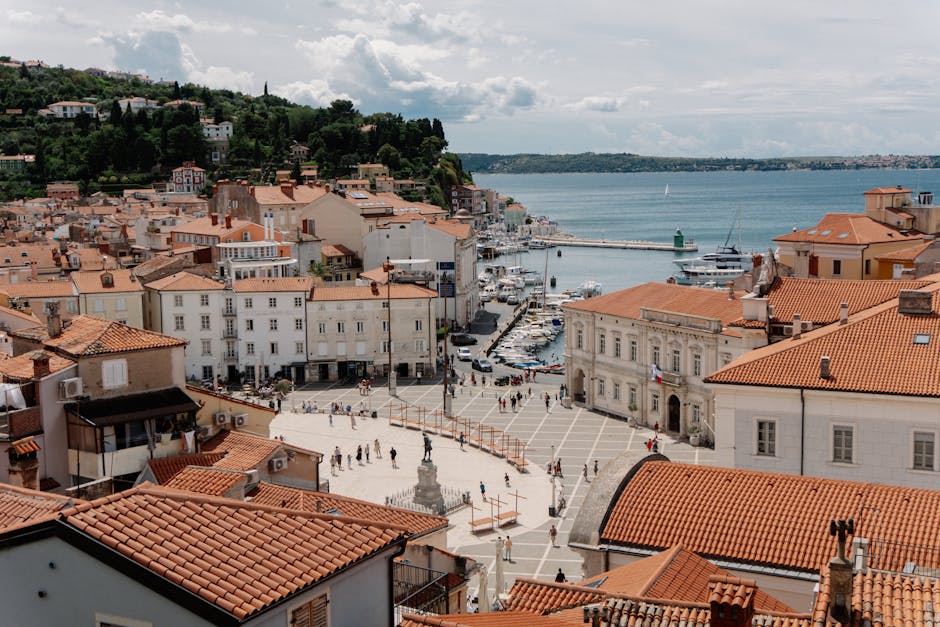
Piran in Slovenia (Portorož/Piran Harbour, Obala 1, 6320 Piran) is a more intimate stop, famous for its medieval lanes and Tartini Square (Titov trg). Top activities include walking the town walls and sampling local seafood. Opening hours: most small museums run 10am–6pm; prices: €3–€8 depending on the site. Tip: Slovenia uses the euro and parking is limited—explore on foot wherever possible.
Split (Split Cruise Port, Obala kneza Domagoja 18, 21000 Split, Croatia) is the gateway to Diocletian’s Palace (Palace of Diocletian, Ul. Domaldova, 21000 Split), one of the best-preserved Roman monuments. Hours: the palace exterior is accessible 24/7, but museums and the Cathedral of St. Domnius usually open 9am–6pm; prices: the palace basement entry €7–€15, cathedral museums €3–€6. Tips: visit the local fruit and vegetable market (Pazar) for fresh produce and climb the cathedral bell tower for a 360° view (entry ~€5).
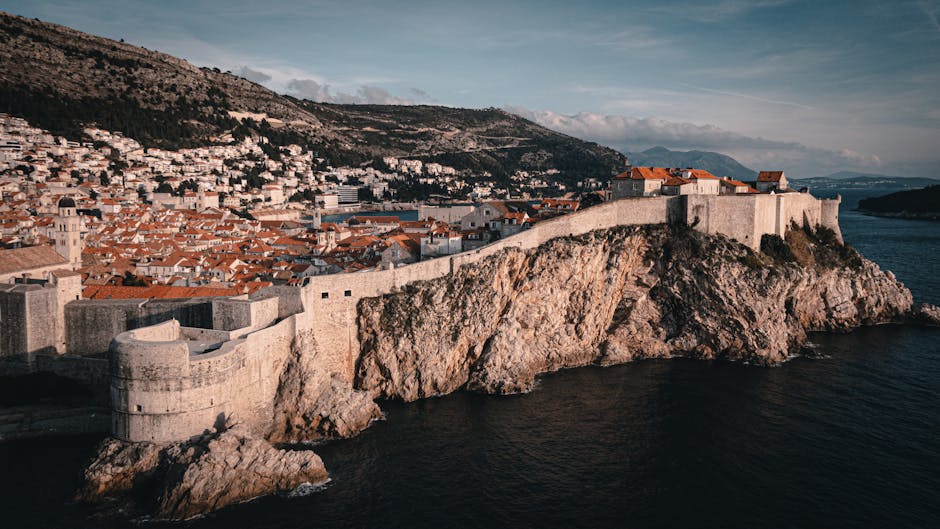
Dubrovnik (Gruž Port, Obala pape Ivana Pavla II 1, 20000 Dubrovnik) often closes the route with its dramatic walled old town. Must-see: the Dubrovnik city walls (Old City Walls, Stradun) generally open 8am–6:30pm; price: around €35 in high season (varies, sometimes €25 off-season). Practical tip: buy tickets online to skip queues and bring water and a hat in summer—the steps and heat can be demanding. For a peaceful return, take a water taxi to Lokrum Island (Ferry from Dubrovnik Port, €12–€15 round trip).
Itinerary 2 — To Classical Greece: Trieste, Corfu, Igoumenitsa, Piraeus (Athens), Santorini
For lovers of mythology, ancient ruins and postcard-perfect islands, the route to classical Greece blends antiquity with spectacular island scenery. From Trieste, the ship heads down the Adriatic then along the Ionian coast to the Greek isles and finally to Piraeus, Athens’ main port.
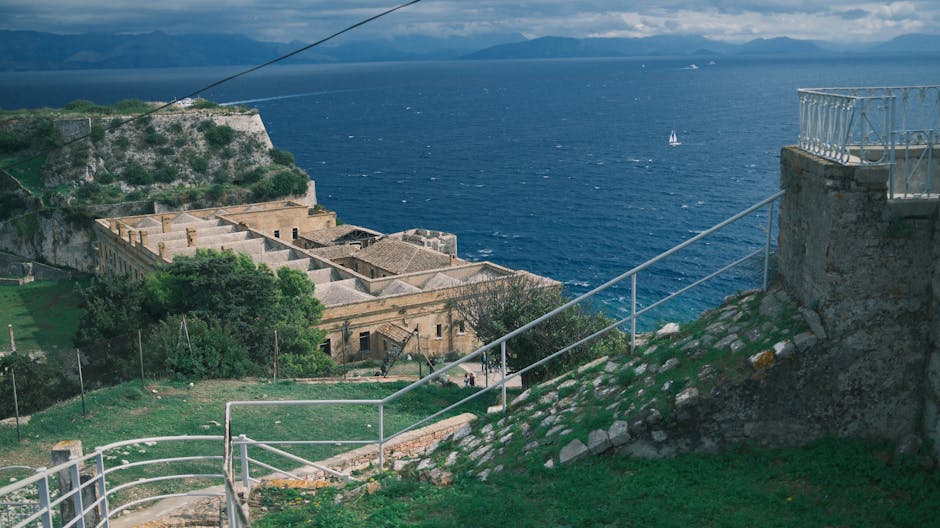
Corfu (Port of Corfu, New Port, Kerkyras 49100) is often the first Greek stop. Highlights: the Old Fortress (Old Fortress, Corfu Town, Liston) open 9am–5:30pm; price: about €6–€8. Useful address: Spianada Square, Corfu Town. Tips: stroll along the Liston in the morning, try pastitsada (a local stew) in a taverna, and wear comfy shoes for the cobblestone streets.
Igoumenitsa often serves as a transit port (Port of Igoumenitsa, Akti Themistokleous 1, 46100 Igoumenitsa). It’s handy for transfers to the Ionian islands or the Greek mainland, though it offers few major tourist attractions itself. From Igoumenitsa you can arrange trips into the Epirus region or cross to Corfu by ferry (short crossing, fares vary €10–€20 depending on season).
Piraeus / Athens (Piraeus Port Authority, Akti Miaouli 1, 185 38 Piraeus, Greece) is the main stop for the ancient capital. Must-sees: the Acropolis (Acropolis of Athens, Dionysiou Areopagitou 15, 11742 Athens) typically open 8am–7pm in summer, 8am–5pm in winter; price: combined ticket ~€30 (includes Acropolis, Agora, Kerameikos depending on season). The Acropolis Museum (Dionysiou Areopagitou 15) opens 8am–8pm; entry €10–€20 depending on season and exhibits. Tips: buy a skip-the-line ticket and visit early to avoid crowds and heat; combine the museum visit with breakfast in the Plaka afterwards.
Santorini (Athinios Port, Santorini 847 00) is the postcard island of Greece: whitewashed villages like Oia and Fira perched on the caldera. Site hours: trails and viewpoints are freely accessible and local museums usually run 9am–5pm; prices: Akrotiri archaeological site €12, boat trips to the volcano and hot springs €20–€45 depending on duration. Tips: pre-book transfers from the port (cable car from Athinios Port €6–€8 return) or use official shuttles to avoid scams; the sunset at Oia is extremely popular—arrive 1–2 hours early in high season.
Itinerary 3 — Southern Italy and the Ionian Isles: Trieste, Bari, Brindisi, Corfu, Kotor
If you prefer a cruise that explores southern Italy before crossing to the Ionian islands and the Kotor Bay, this route mixes Roman history, basilicas and Montenegro’s karst scenery. From Trieste head south along the Adriatic to the Italian peninsula, then cross toward Albania or Montenegro depending on the schedule.
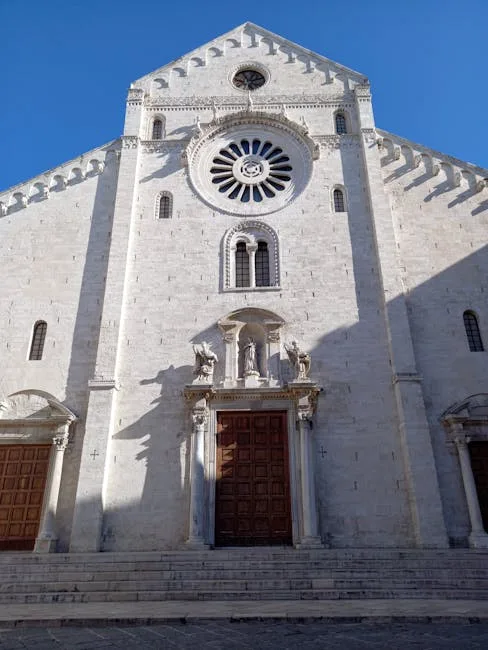
Bari (Port of Bari, Molo San Nicola, 70121 Bari BA, Italy) is the capital of Puglia and the gateway to Alberobello (trulli) and Matera. In Bari, don’t miss the Basilica of Saint Nicholas (Basilica di San Nicola, Piazza San Nicola, 70122 Bari) generally open 7am–12:30pm and 4pm–8pm; entry is free with suggested donations for certain treasures. Tip: try focaccia barese from a local bakery (around €2–€4) and book an excursion to Alberobello (entry to the trulli museum ~€3–€8).
Brindisi (Porto di Brindisi, Molo di Levante, 72100 Brindisi BR) is often a short but convenient stop to explore baroque architecture and Roman ruins. Practical tips: the port is close to downtown, making it easy for quick on-foot visits; join a guided tour if you want a deeper dive into the maritime history.
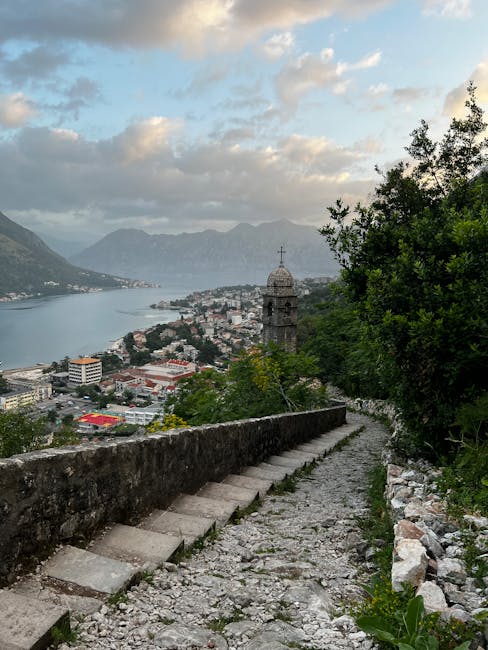
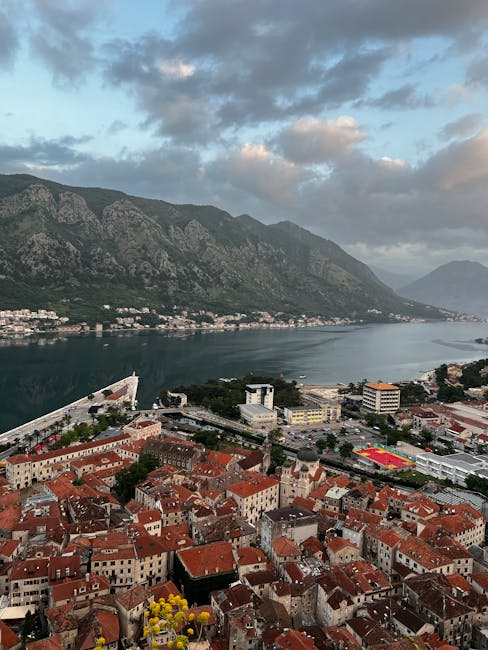
The crossing to Corfu or other Ionian islands links Italy to Greece in a few hours depending on navigation. After that, head to Montenegro for Kotor (Port of Kotor, Luka Kotor, 85330 Kotor, Montenegro): the Bay of Kotor is a fjord-like spectacle surrounded by walls and medieval villages. Must-see: Kotor’s Old Town (Old Town Kotor, Stari Grad) and the Cathedral of Saint Tryphon (Katedrala sv. Tripuna, Trg od Oružja); museum hours typically 9am–5pm; entry fees €3–€8 depending on the site. Tip: for sweeping views, climb the stairs to St. John’s Fortress (20–30 minutes from the old town), bring water and closed shoes—the ascent is steep but the panorama is unforgettable.
Itinerary 4 — Historical and Cultural Route to Turkey: Trieste, Split, Dubrovnik, Kotor, Istanbul
For travelers seeking a deeper immersion in Mediterranean and Ottoman history, this route connects the Adriatic coast with the Aegean shores, often ending in Istanbul—the city that straddles Europe and Asia. Stops combine Roman sites, medieval walls and Byzantine mosques.
Split and Dubrovnik were already detailed in the classic itinerary. Pushing further east and skirting the Balkan peninsula, longer crossings take you to Greek ports before reaching Turkey. In Istanbul (Port of Istanbul, Karaköy or Eminönü docks depending on ship, 34421 Istanbul), the cultural riches are immense: the Blue Mosque (Sultanahmet Camii, Sultan Ahmet, Istanbul) is viewable 24/7 from the outside, with interior visits limited to non-prayer times (free to admire but donations accepted); Hagia Sophia (Hagia Sophia, Sultan Ahmet, 34122 Istanbul) generally open 9am–7pm; price: around 100–200 TRY (about €5–€10 depending on exchange rates) for entry depending on the current regulations. The Grand Bazaar (Kapalıçarşı, Beyazıt) runs roughly 9am–7pm; a morning or late-afternoon stroll is ideal.
Travel tips for Turkish stops: check visa requirements (even for a short stay, some nationalities need an e-Visa) and avoid informal transfer offers at the dock; use official shuttles or pre-booked taxis. Regarding currency, the Turkish lira (TRY) is commonly used though many places accept euros; still, it’s wise to carry some lira for small purchases and market bargaining. Prayer times can affect access to mosques—respect dress codes (shoulders and knees covered for religious visits, and women should bring a headscarf if required).
Practical Tips for Smooth Boarding and Shore Days from Trieste
Organizing a cruise from Trieste requires a few practical touches to make the most of your time and reduce stress. Here’s a handy list of tips, addresses and useful information to keep at hand.
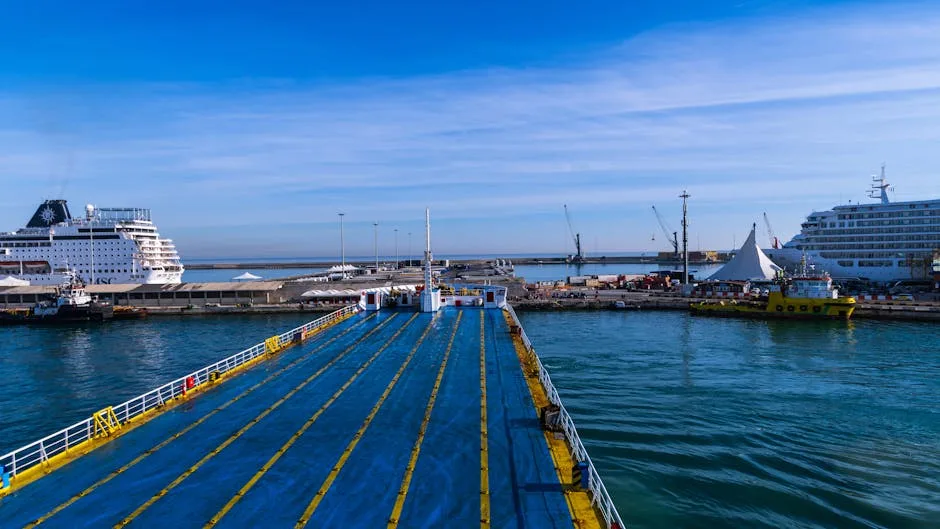
- Terminal address and formalities: Stazione Marittima – Trieste Cruise Terminal, Riva Nazario Sauro 1, 34121 Trieste. Arrive at least 2 hours before boarding for security checks and check-in. Line counters often open 3 hours before departure. Bring ID or passport and your boarding pass printed or on your smartphone.
- Airport transfers: Trieste Airport – Ronchi dei Legionari (TRS), via Aquilinia 20, 34077 Ronchi dei Legionari TS. Shuttles and taxis are available; journey about 30 minutes (taxi ~€40–€60 depending on time and luggage). From Venice Marco Polo (VCE) allow 1.5–2 hours by car (shared shuttles available, ~€30–€50).
- Where to stay before embarkation: hotels near the port include Savoia Excelsior Palace (Piazza Unità d’Italia 2, 34121 Trieste) — luxury, often €150–€300 per night off-season; budget options like B&B Hotel Trieste (Via della Geppa 2, 34123 Trieste) from €60–€90. Book early in high season.
- Currency and payments: the euro is used at most European stops; credit cards are widely accepted but carry some cash for markets, small eateries and tips (typically 5–10%).
- Baggage and security: clearly tag your suitcases with your name and cabin number. On shore, either keep valuables on board or use a small travel safe; use cabin safes if provided. Be alert for pickpockets in tourist areas.
- Health and insurance: travel insurance with medical evacuation and health coverage is strongly recommended. Pack a basic first-aid kit, sunscreen, personal medications and copies of prescriptions.
- Excursions and free time: weigh the pros and cons of organized excursions (costlier but reliable and scheduled) versus independent exploration (more freedom, needs planning with maps and transport times). Always check the ship’s return time—ships usually don’t wait for late passengers.
Conclusion — Pick the Route That Fits You Best from Trieste
Setting sail from Trieste opens up a wide range of options for every kind of traveler: whether you dream of wandering Venetian alleys, walking the medieval walls of Dubrovnik, admiring Athens’ Acropolis or getting lost in Santorini’s white lanes, Trieste is an ideal departure base. The city itself is worth an exploratory stop: Piazza Unità d’Italia (Piazza Unità d’Italia, 34121 Trieste) that faces the sea, Miramare Castle (Castello di Miramare, Viale Miramare, 34151 Trieste, usually open 9am–7pm, entry ~€8) and San Giusto Cathedral (Cattedrale di San Giusto, Piazza della Cattedrale, 34127 Trieste, variable hours, small donations requested in some areas) all add context to your maritime journey.
To choose the right itinerary, start by setting your priorities: history and museums, beaches and swimming, or natural landscapes and hikes. Classic Adriatic & Greece cruises suit travelers seeking a mix of culture and beach time; routes to Turkey and the eastern Mediterranean will appeal to fans of Byzantine and Ottoman history; exploring southern Italy offers a taste of gastronomy, rural traditions and baroque architecture. Be sure to double-check opening hours and prices of main sites (the fees noted here are indicative and can change with season and local policy), book key transfers and excursions in advance and verify visa formalities for certain stops (Turkey, Montenegro, etc.).
Finally, enjoy the rhythm of cruising: mornings for cultural visits, afternoons for relaxation and walks, evenings for sampling local cuisine and meeting fellow travelers. Trieste, with its cultural blend and welcoming port, makes an inspiring launch point. Whether you’re after a family cruise, a romantic getaway or an in-depth cultural trip, itineraries from Trieste offer a rich and accessible palette. Pack your bag, confirm your route, pre-book a few highlights and let the sea and the ports write the rest of your adventure.