





Introduction: Ancient Aquileia and Its Connection to Trieste
In northeastern Italy, tucked between the Adriatic lagoon and the rolling hills of Friuli Venezia Giulia, lies Aquileia — one of the Empire’s most important archaeological sites and a real gem for travelers based in Trieste. Just 45 km from Trieste (roughly 40–50 minutes by car depending on traffic), Aquileia offers an outstanding dive into Roman, early Christian and medieval history: a vast basilica with extraordinary mosaics, the remains of a forum and an urban grid, and a national museum housing artifacts, sarcophagi and wall paintings. Aquileia’s story is tightly bound to the maritime and overland trade routes of the Empire, and to the rise of Christianity in the West; visiting Aquileia from Trieste helps you understand how a border city shaped the culture, economy and religion of the Adriatic basin.
For travelers based in Trieste, Aquileia makes a perfect half-day or full-day excursion. The drive follows the Adriatic coast and shifts from seaside views to countryside scenery, underscoring the contrast between Trieste’s busy port modernity and Aquileia’s stillness of antiquity. Archaeology lovers will appreciate the site’s coherence: the early Christian basilica, whose floor is covered by monumental mosaics, sits above Roman urban remains and a necropolis with richly furnished tombs. Families and curious visitors will find accessible, educational routes in the Museo Nazionale Paleocristiano di Aquileia (and its annexes), with explanatory panels and staging that bring ancient daily life, trade routes and religious beliefs to life.
This guide is aimed at visitors coming from Trieste: it lists must-see places — official names, exact addresses, typical prices in euros, opening hours and practical tips — so your visit runs smoothly, is insightful and memorable. You’ll also find recommendations on how to best enjoy the mosaics, how to avoid peak crowds, where to eat in Aquileia, and how to combine the visit with a coastal detour or a vineyard stop in Friuli. Photo tips and ideas to extend your exploration (nearby sites, events and itineraries from Trieste) complete the picture. Pack your camera, comfy shoes and curiosity: Aquileia reveals, stone by stone, the discreet grandeur of an ancient Roman metropolis.
Patriarchal Basilica of Aquileia: Mosaics and Architecture (Basilica Patriarcale di Aquileia)
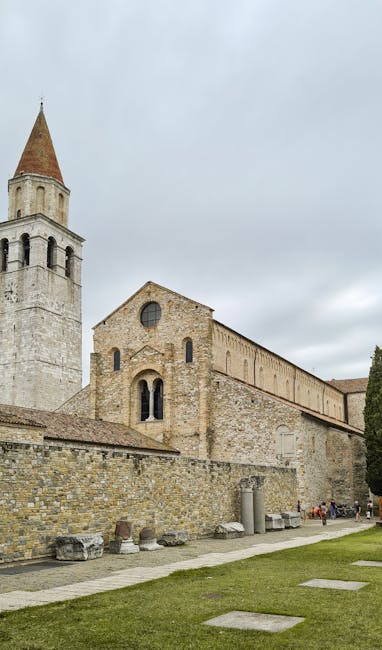
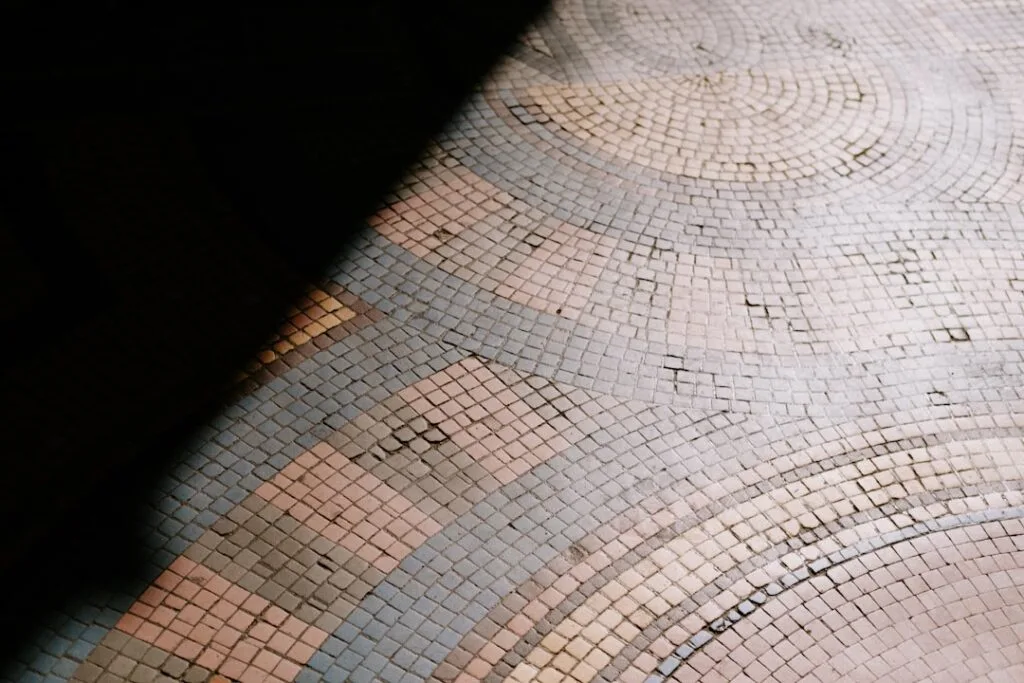
The Patriarchal Basilica of Aquileia (Basilica Patriarcale di Aquileia) is the site’s most spectacular attraction. Address: Piazza Capitolo, 33051 Aquileia UD, Italy. Built over earlier Christian structures, the current church preserves an early-Christian basilica layout and, most notably, a vast mosaic pavement that covers the central nave and side aisles. The multicolored tesserae form reinterpreted mythological scenes, intricate geometric patterns and depictions of exotic animals — remnants of a visual culture blending Roman tradition with emerging Christian iconography.
Indicative opening hours: the Basilica is generally open daily. In high season (April to October): 9:00–19:00; low season (November to March): 9:00–17:00. Note that religious services may restrict access to parts of the church; it’s best to check the official site or the local tourist office before you go. Typical price: entrance fee to access the mosaics and the baptistery — combined Basilica + Museum ticket — about €10.00 to €12.00 (reduced rates for students/youth, free for children under 6, family tickets available). Some parts of the basilica can be visited for free, but close-up access to the mosaics and protected areas requires a ticket.
Immersive description: passing through the basilica’s portal is like entering a space where light falls on centuries of stone and glass. The mosaics, restored in stages during the 20th century, look like a living floor; walking on the specially built walkways designed to protect the artwork gives the sensation of hovering above a sea of patterns. The adjacent baptistery preserves baptismal fonts and iconographic panels that explain ancient Christian rites. Don’t miss the presbytery, the crypt and the medieval cloister which, although from different eras, are woven into the site’s continuous story.
Practical tips: arrive early to avoid tour groups and to get the best light for photographing the mosaics (avoid flash). Wear comfortable shoes — some interior areas are under restoration and feature wooden walkways. If you’re coming from Trieste without a car, take the regional train to Cervignano del Friuli and then a shuttle or local bus to Aquileia; from Aquileia station the basilica is only a few minutes on foot. For guided tours in English or French, book in advance through the ufficio turistico di Aquileia (Tourist Office) or local tour operators — expert guides will explain the scenes depicted in the mosaics in detail.
Archaeological Area & Roman Forum: Ruins, Roads and Necropoleis
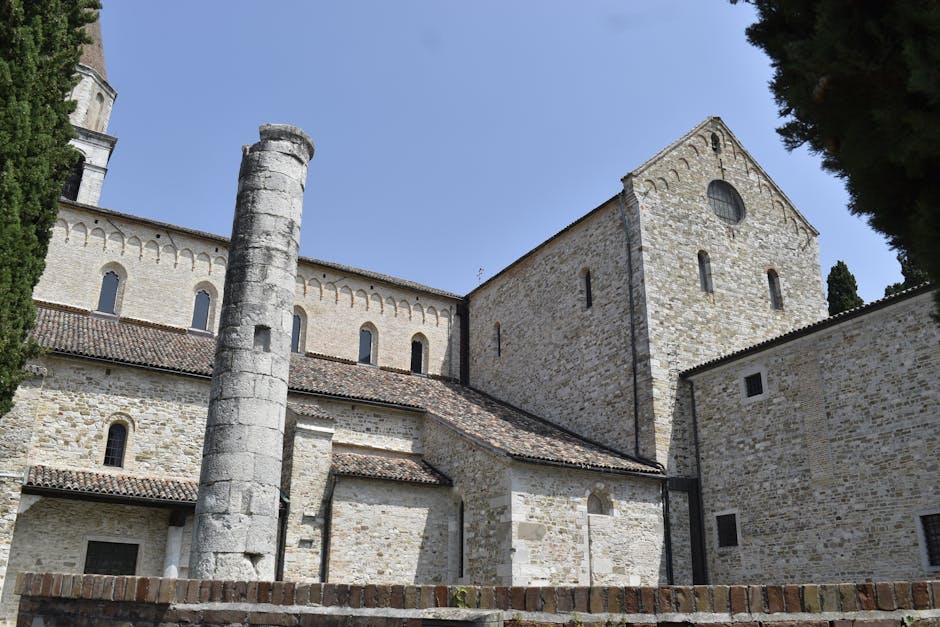
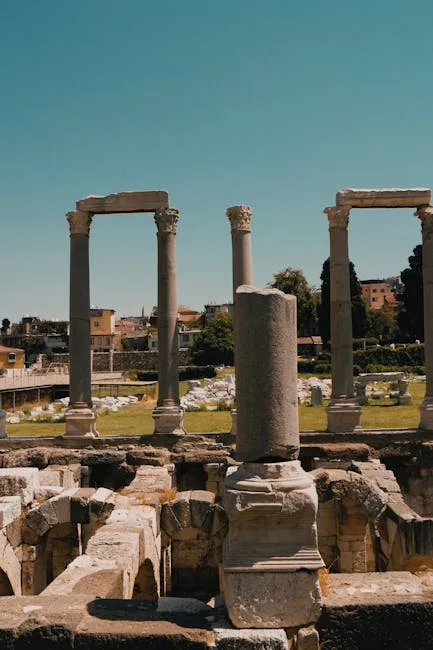
Aquileia’s archaeological park includes the remains of the Roman forum, baths, peristyle houses, paved streets and several necropolis areas that reveal the complexity of a prosperous port city. General address for the archaeological park: Parco Archeologico di Aquileia, Via Roma 1, 33051 Aquileia UD, Italy (entrances vary by sector, but signage directs visitors to the main route from Piazza Capitolo). Excavations have revealed urban blocks, workshop foundations and warehouse remains testifying to Aquileia’s role as a hub linking the Adriatic to the Alpine interior.
Hours and tickets: the archaeological area usually follows the Museo e del Parco’s schedule; in general access is open from 9:00 to 18:00 in high season, reduced in winter (check exact dates). Tickets: a combined Parco Archeologico + Museo Nazionale Paleocristiano ticket is around €10.00–€15.00; some outdoor zones may be free but have limited explanatory signage. Specific tickets for guided tours, audio guides and temporary exhibitions can add to the price (expect an extra €3–7 for an audio guide).
Immersive description: wandering among toppled columns and exposed foundations is like reading an ancient city in the open air. The paved streets reveal the original orientation of the urban blocks; underground, successive occupation layers show the sequence from the 1st century BCE through the Early Middle Ages. The necropoleis on the outskirts offer an intimate view of daily life: cremation burials, urns, funerary stelae and richly furnished graves — jewelry, tableware, weapons — that illuminate the social status of the deceased.
Practical tips: bring a hat and water in summer — the open areas offer little shade. Pick up a site map (available at the ufficio turistico) and follow the numbered signs for a structured self-guided tour. If you’re passionate about a deeper dive, book a themed guided tour (e.g. « Roman Aquileia and the Trade Route ») to explore architectural and economic aspects that are harder to spot on your own. Families will enjoy the playful trails offered in high season; check the museum and site calendar for scheduled activities.
Museo Nazionale Paleocristiano & Archaeological Museum: Artifacts, Sarcophagi and Collections
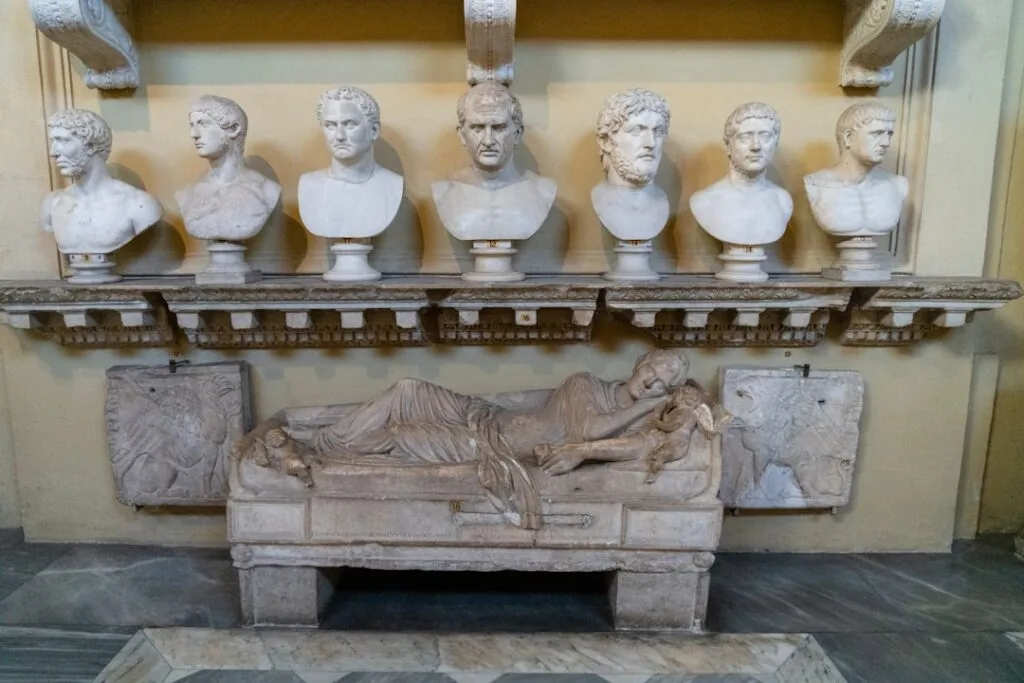
The Museo Nazionale Paleocristiano di Aquileia (sometimes referred to as the Museo Archeologico Nazionale di Aquileia depending on the layout) is the institution that conserves, displays and interprets finds from the excavations. Address: Piazza Capitolo, 1 / 33051 Aquileia UD, Italy — the same square as the basilica, making a combined visit easy. The museum shows a rich collection of coinage, ceramics, architectural fragments, carved sarcophagi, mosaic fragments and liturgical objects. Notable pieces include finely carved early Christian sarcophagi and ritual wall painting fragments.
Hours and prices: generally open from 9:00 to 18:00 in summer; reduced hours in winter (usually 9:00–17:00 or closed on certain holidays). Combined Basilica + Museum ticket ≈ €10.00–€15.00. Reduced rates for students (usually €6.00–€8.00); free entry for very young children and on national cultural heritage days (check the official calendar). The museum offers audio guides in Italian, English and sometimes in French; audio guide prices ≈ €3.00–€5.00.
Visitor experience: the exhibition is organized chronologically and thematically: you move from Aquileia’s Roman origins to its early Christian transformations and liturgical uses. Labels are detailed (often in Italian and English), and interactive displays allow you to zoom in on fragile objects. The carved sarcophagi stand out for their delicate motifs: biblical scenes, liturgical symbols and intertwined vegetal patterns. The restoration lab, occasionally on view during open days, demonstrates the techniques used to preserve mosaics and ceramics.
Practical tips: allow at least 1 h 30 for the museum if you want to read the labels and see the main pieces without rushing. Audio guides greatly enhance understanding of the archaeological context. Photographers should note that flash is prohibited: use higher ISO settings and a discreet tripod if allowed. For families, the museum runs educational workshops in high season; book ahead as spaces fill quickly. The museum shop offers mosaic reproductions, specialist books and postcards — a great way to take the memory home.
Practical Tips from Trieste: Transport, Accommodation, Food and Routes
Getting to Aquileia from Trieste is straightforward and flexible depending on your time. By car: take the A4/E70 towards Venezia/Udine, then the exit for Cervignano-Aquileia; distance ≈ 45 km, driving time ≈ 40–50 minutes. Parking: several car parks near the Basilica on Piazza Capitolo and Via Roma — paid parking (meters or app), expect roughly €3.00–€6.00 for the day depending on location. By train + bus: from Trieste Centrale, take a regional train to Cervignano del Friuli (about 25–35 minutes) then a local bus (check the seasonal line) or taxi to Aquileia (≈ 15 minutes). From Cervignano AV station consult Trenitalia schedules and local bus services (Ferrovie Udine Cividale); allow about 1h15 for the full journey.
Accommodation: if you plan to extend your stay, Aquileia has a handful of agriturismi and charming B&Bs. Examples (check addresses at booking time): Agriturismo La Collina (Via dei Vigneti, local address varies) or B&B Corte del Capitolo (Via Capitolo, Aquileia) — approximate prices: double rooms €60–€120/night depending on season. For more options and services (hotels with restaurant, parking and shuttle), base yourself in Grado (beach) or Cervignano del Friuli and combine archaeological visits with seaside relaxation.
Food: around Piazza Capitolo and Via Roma you’ll find cafés, osterie and traditional restaurants. Typical local recommendations: Friulian cuisine (prosciutto di San Daniele, frico — a savory potato-and-cheese pancake), lagoon fish and native wines (Friulano, Ribolla). Suggested tables: Trattoria Al Ponte (Via Roma 12 — check local address), Osteria San Zilio (Via Capitolo); dishes typically range from €10 to €25, tasting menus €30–€45. For a quick lunch cafés offer panini and salads for €6–€12.
Final practical tips: plan 3 to 5 hours for a complete visit (Basilica + Museum + archaeological park + coffee break). Book online if visiting in high season (May–Sept) and on weekends. Bring cash for small purchases and public restrooms; major sites usually accept cards but not everywhere. Check the weather: archaeological areas lack shade. If you have a full day, combine Aquileia with a visit to Grado (the lagoon) or a wine tasting in the Friulian countryside to pair your historical immersion with contemporary sensory experiences.
Conclusion: Why Aquileia Is Worth the Trip from Trieste
Aquileia is more than an archaeological site: it’s a multisensory experience linking past and present, a place where stones tell the story of trade flows, beliefs and social practices from the early centuries AD. From Trieste, visiting Aquileia is accessible, rewarding and perfect for travelers interested in history, archaeology and regional culture. The main highlight remains the Patriarchal Basilica with its exceptional mosaics, but the site’s strength lies in the combination of basilica + museum + archaeological park: together these three elements recreate a coherent image of a Roman city transformed into an early Christian center.
Practically speaking, Aquileia is set up to welcome visitors: clear access from Trieste, nearby parking, local dining options and a well-presented museum. The practical info here — addresses (Piazza Capitolo, 33051 Aquileia UD), typical hours (9:00–18:00/19:00 depending on season), indicative prices (combined ticket ≈ €10–€15) — will help you plan your excursion. Bear in mind, however, that opening hours, fees and policies can change; always check official sources (Soprintendenza Archeologia, Belle Arti e Paesaggio per il Friuli Venezia Giulia and the ufficio turistico di Aquileia) before you set off.
On an emotional and intellectual level, Aquileia offers powerful moments: the quiet contemplation of the mosaics, the discovery of sarcophagi in the museum, the stroll among forum ruins at sunset. For photographers it’s a visual treasure trove; for families, a living classroom; for food and wine lovers, a gateway to Friulian flavors. Combined with Trieste and the Adriatic coast, Aquileia helps you craft an itinerary that traces the long history of this stretch of the Mediterranean: from Roman roads to modern ports, via medieval bell towers and contemporary tables. Plan ahead, respect the site, take your time — Aquileia will reward you with one of the most complete and poetic readings of Roman antiquity set against the Italian landscape.