





Introduction: Trieste and the Legacy of the Tall Ships
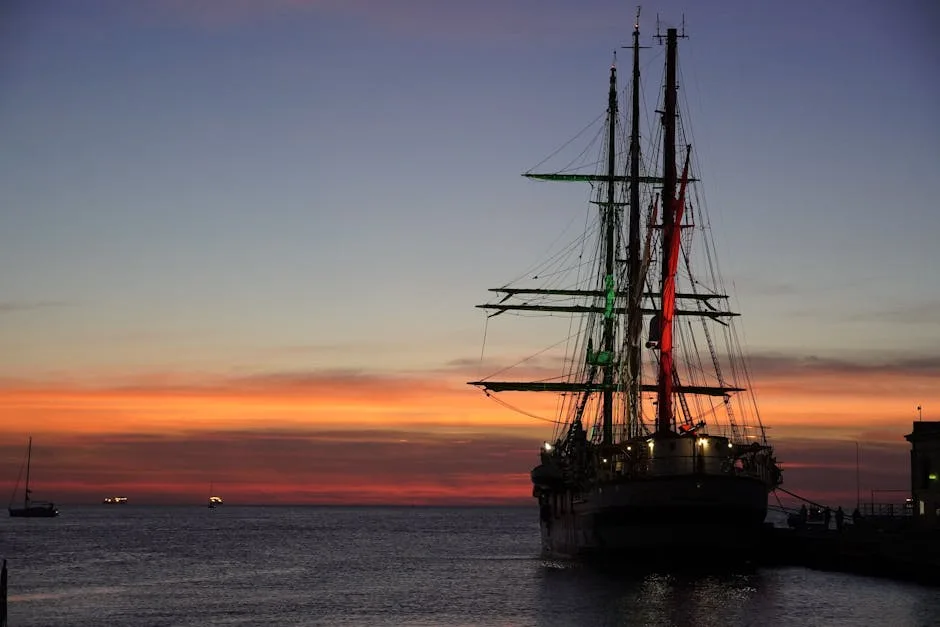
Trieste, that Mitteleuropean-tinged port on the Adriatic, has always lived to the rhythm of wind and hull. Once the commercial capital of the Austro-Hungarian world and a nautical crossroads between Central Europe and the Mediterranean, the city has watched ships come and go — moor, depart and return — vessels that helped build its wealth, its culture and its collective imagination. Tall ships — training ships, clippers, Belem-style vessels and other three-masters — played a crucial role: not only as platforms for training sailors and as state ambassadors, but also as crowd-pleasing icons during international regattas, port festivals and festive calls into the gulf.
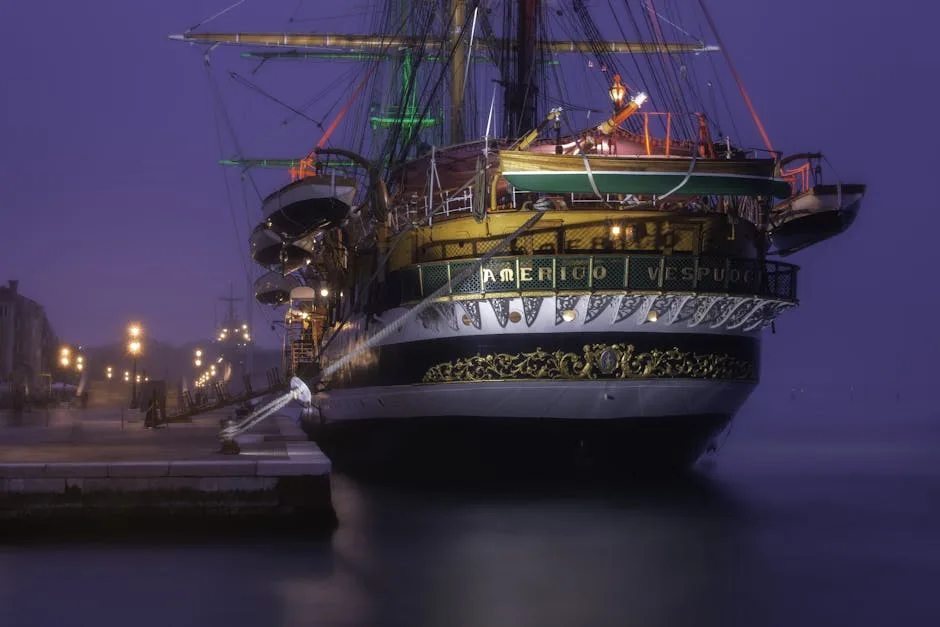
In this practical guide, we trace the history of the sailing ships that left their mark on Trieste across the centuries, linking physical sites, museums, viewpoints and contemporary events. You’ll find exact addresses, opening hours, typical prices and local tips for where to go to see, admire and understand these large sailing vessels when they come back to salute the city. We’ll cover ships that were part of the commercial or naval fleet as well as those whose mere stopover made a lasting impression: the famous Italian training ship Amerigo Vespucci, the large units of the Austro-Hungarian Lloyd, Eastern Mediterranean sailing craft and the European training ships that compete in the Tall Ships’ Races.
Rather than a purely technical account, this guide favors an immersive approach: you’ll learn where to stand to feel the salty breeze, how to reach the historic quays, which walks pair well with a ship visit, and how to make the most of museums that hold archives and ship models. Trieste’s ports, quays and museums — with emblematic spots like Piazza Unità d’Italia, Molo Audace, Porto Vecchio and Miramare Castle — are our anchor points for understanding how tall ships and the city shaped each other.
Finally, the guide includes practical tips: the best times to watch rigging maneuvers, access to the quays, indicative prices for site and museum visits, and food recommendations to accompany your maritime stroll (quay bars, little trattorie and fish stands). Readers who want to dig deeper will find leads on local documentation and annual events when the tall ships return in force. Pack comfortable shoes, a windbreaker and your curiosity: the history of Trieste’s great sailing ships is told at water level, amid ropes, bollards and sea spray.
The Maritime Origins: From Austro-Hungarian Merchant Sail to Clippers
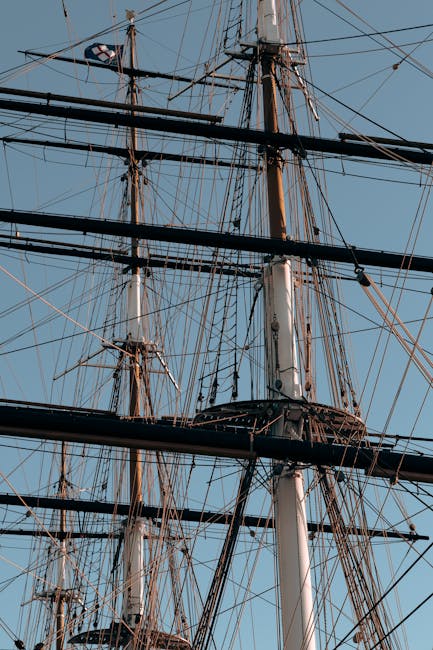
In the 19th century, Trieste stood at the heart of a European trade network. The Austro-Hungarian Lloyd (Österreichischer Lloyd), founded in 1833, turned the city into a genuine maritime hub: first with sailing ships, then with steamers, connecting ports across the Mediterranean, the Levant and the Far East. Large merchant sailing vessels — schooners and clippers — were the backbone of long-distance trade. They carried coffee, oil, grain, silks and emigrants, enabling Trieste to accumulate the capital that later funded banks and shipyards.
To get a feel for that era, start at the historic port area: Molo Audace and Porto Vecchio. Molo Audace (Molo Audace, 34123 Trieste TS, Italy) is an iconic pier where public promenades offer a direct view of the harbor entrance. Porto Vecchio (Molo IV, Porto Vecchio, 34123 Trieste TS, Italy) still bears the traces of old traffic: converted warehouses, sheds and former slips that tell the story of the fleet’s shift to steam.
Recommended visits and practical info: stroll along the Riva del Mandracchio in the early morning to pick out hull shapes and catch the scent of tar and oil. Molo Audace is open to walkers 24/7; street parking nearby is metered (blue zones — check parking meters) and prices vary by area. For research, several local archives hold the cargo registers of the Austro-Hungarian Lloyd — contact the Biblioteca Civica Attilio Hortis (Piazza della Borsa, 6, 34121 Trieste TS, Italy). Library access is free for on-site consultation; opening hours vary (typically 9:00–13:00, 14:00–18:00 on weekdays).
Training Ships and Memorable Calls: Amerigo Vespucci, Palinuro and the Tall Ships
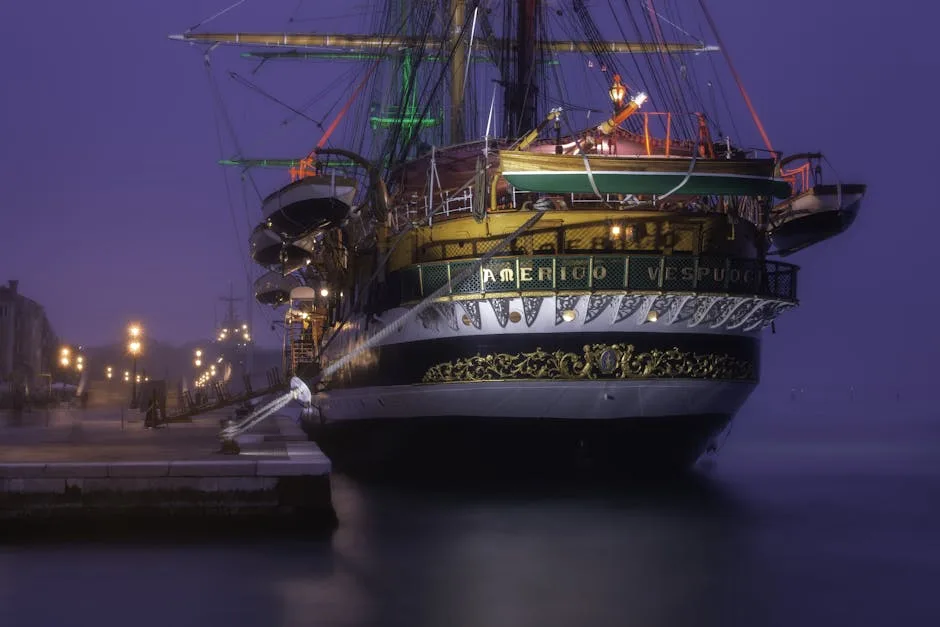
In the 20th century, the romantic image of the great three-masted ship was revived by training vessels. The Amerigo Vespucci, the pride of the Italian Navy, and the Palinuro, another Marina Militare training ship, are among the vessels whose visits and public appearances have deepened Triestine affection for traditional sail. Built for officer training and for representing navies at international events, these ships still draw enthusiastic crowds whenever they enter the gulf.
Trieste regularly hosts stages of classic regattas and Tall Ships gatherings (Tall Ships’ Races and port festivals). During these events, the ships often open their gangways to the public for guided tours and sailing demonstrations. The busiest quays for these calls are: Molo Audace (Molo Audace, 34123 Trieste TS), Porto Vecchio (Molo IV, Porto Vecchio, 34123 Trieste TS) and the Lazzaretto quay (Lazzaretto Vecchio area). These zones are set up for events with ticket booths and information stalls.
Prices and schedules: public visits during gatherings vary by organizer; typically access is paid and ranges from €3 to €12 per person for a guided tour, sometimes free for children. The Tall Ships’ Races publish detailed programs a few weeks before each stop: check the official event website for tickets and time slots. Best times to watch sailing maneuvers are early morning at sunrise (6:00–9:00) and late afternoon (17:00–19:30), when thermal winds are most favorable.
Local tips: arrive early for popular calls because lines can get long. Bring a windproof jacket and closed-toe shoes if you plan to go aboard — decks can be slippery. For dramatic photos of bowsprits and shrouds, position yourself on the pier or on an authorized tour boat. Local bilingual guides (Italian/English) often lead tours and share anecdotes about onboard training and maritime traditions.
Museums, Archives and Walks to Deepen the Sailing Story
If you want more than the thrill of a ship’s call, Trieste offers museums and walks that explain shipbuilding, trade routes and sailors’ stories. The Biblioteca Civica Attilio Hortis (Piazza della Borsa, 6, 34121 Trieste TS, Italy) holds local collections and maritime archives; access is generally free for on-site consultation, but it’s wise to book ahead for historic fonds. The Museo Revoltella (Via Armando Diaz, 27, 34125 Trieste TS, Italy) isn’t strictly a maritime museum but frequently hosts temporary exhibitions on Triestine art and society, sometimes with maritime themes. Museo Revoltella entry: around €6–€8, hours 10:00–18:00 (closed Monday). Check current hours before you go.
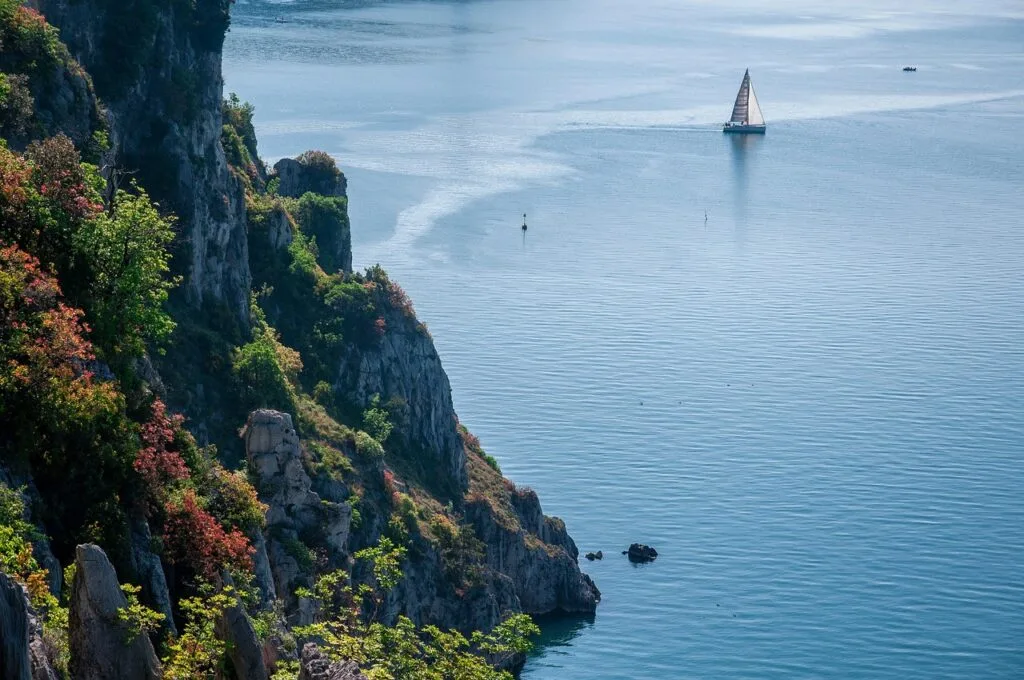
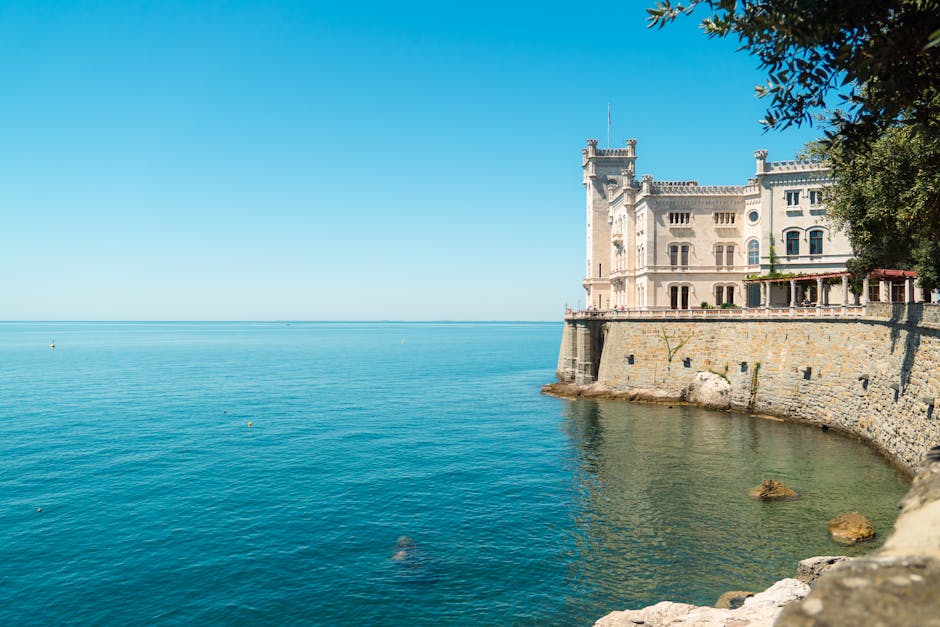
The walk up to Miramare Castle is a must for anyone wanting to link aristocratic history and maritime views. Castello di Miramare (Viale Miramare, 34151 Trieste TS, Italy) has overlooked the gulf since the mid-19th century and offers a perfect vantage point over the port entrance where sailing ships once anchored. Hours and prices: typically open 9:00–19:00, adult tickets around €10, with discounts for youth/students and seniors; prices can change, so verify on the park’s official site. Wander the park, descend to the rocks for a close-up view of the foamy wake left by modern vessels, and picture the great hulls of yesteryear easing toward the quays.
Recommended walks: the Riva del Mandracchio from Molo Audace to Piazza Unità d’Italia is ideal for a historical stroll. Piazza Unità d’Italia (Piazza Unità d’Italia, 34121 Trieste TS, Italy) is the largest sea-facing square in Europe and offers panoramas where you can easily imagine great sails on the horizon. After museum visits, stop at Barcola for a coffee and watch the local dinghies — it’s a meeting place for amateur sailors and Triestine families.
Trieste Today: Port Renewal, Regattas and Preservation Efforts
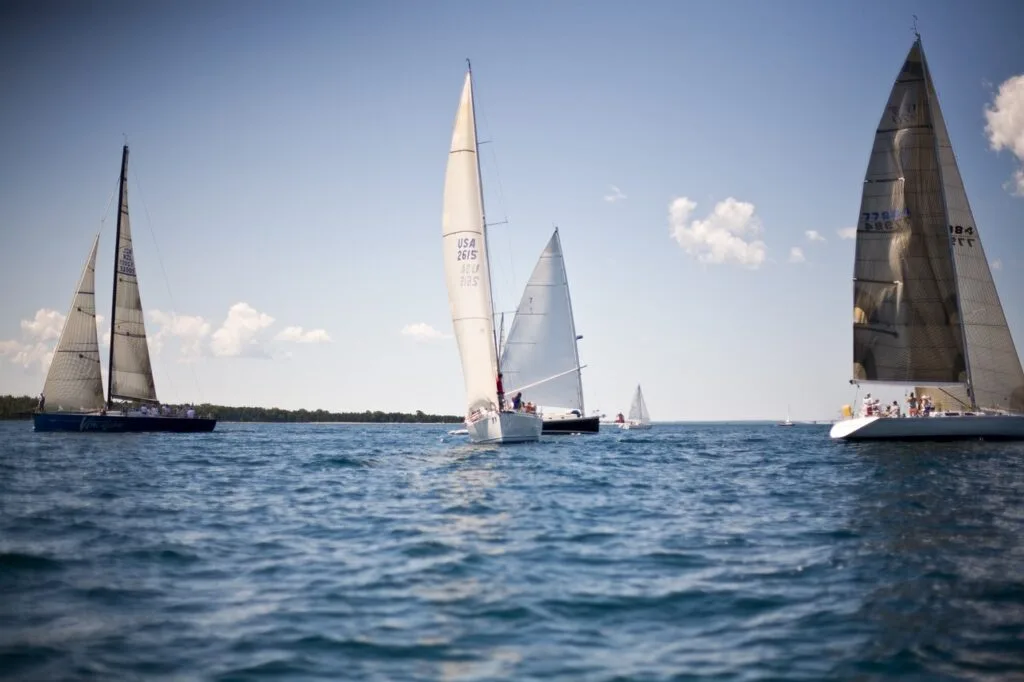
Recent revitalization of quays and port spaces has put tall ships back at the center of Trieste’s urban life. Redevelopment of Porto Vecchio and adjacent docks now accommodates not only freight but also cultural and nautical events. Seasonal regattas, local sailing schools and yacht clubs (Club Nautico della Valmaura, Società Velica, etc.) keep alive shipbuilding traditions and seamanship training.
Preservation initiatives: local associations have formed to safeguard maritime memory: they collect testimonies, photos and rigging plans. To participate or consult these resources, contact Associazione Trieste per il Mare (address and contacts available on municipal culture pages) or inquire at the Ufficio Cultura del Comune di Trieste (Piazza Unità d’Italia, 2, 34121 Trieste TS, Italy) about temporary exhibitions and maritime heritage days. Events like “Porti Aperti” and open days at the shipyards let visitors get close to slips, rigging workshops and sometimes even join introductory courses in traditional sailing.
Practical tips: if you want to attend a regatta or a local race, favor the months from May to September when thermal winds are steadier. Local sailing clubs offer courses from half-day taster sessions to multi-day programs; prices vary by format (from about €30 for a half-day initiation to over €300 for an intensive week). Book ahead during high season. For total immersion, choose an organized boat tour departing from the Riva (frequent departures from Molo Audace): typical cost €15–€30 per person for a short cruise.
Conclusion: Sailing Between Memory and Modernity
Trieste remains a city where the sea is a memory in motion. The tall ships that left their mark — whether the Austro-Hungarian Lloyd’s merchant clippers, training ships like Amerigo Vespucci and Palinuro, or the gleaming international vessels assembled for the Tall Ships’ Races — continue to inspire locals and visitors alike. Their story isn’t only written in books or museums but also along the quays, in sailors’ songs, and across the urban landscape where hulls and masts have reshaped how the waterfront is used.
For today’s visitor, Trieste offers a rich and accessible itinerary: watch ship calls from Molo Audace (Molo Audace, 34123 Trieste TS), immerse yourself in history wandering Porto Vecchio (Molo IV, Porto Vecchio, 34123 Trieste TS), consult maritime records at the Biblioteca Civica Attilio Hortis (Piazza della Borsa, 6, 34121 Trieste TS) and enjoy a romantic vista at Castello di Miramare (Viale Miramare, 34151 Trieste TS). The prices given for museums and tours are approximate — expect around €6–€12 for cultural entries and €3–€12 for guided ship visits during events — but always check official schedules and fees before you travel.
Finally, a few local tips sum it up: arrive early to catch morning light and maneuvers; dress for wind (jacket, closed shoes); sample local specialties at port-side trattorie after a visit; and support maritime preservation groups if the heritage moves you. Trieste will tell you, along its quays and through its museums, how tall ships shaped its destiny — and why, even today, the flap of sails and the creak of rigging remain one of the city’s most beautiful soundtracks.