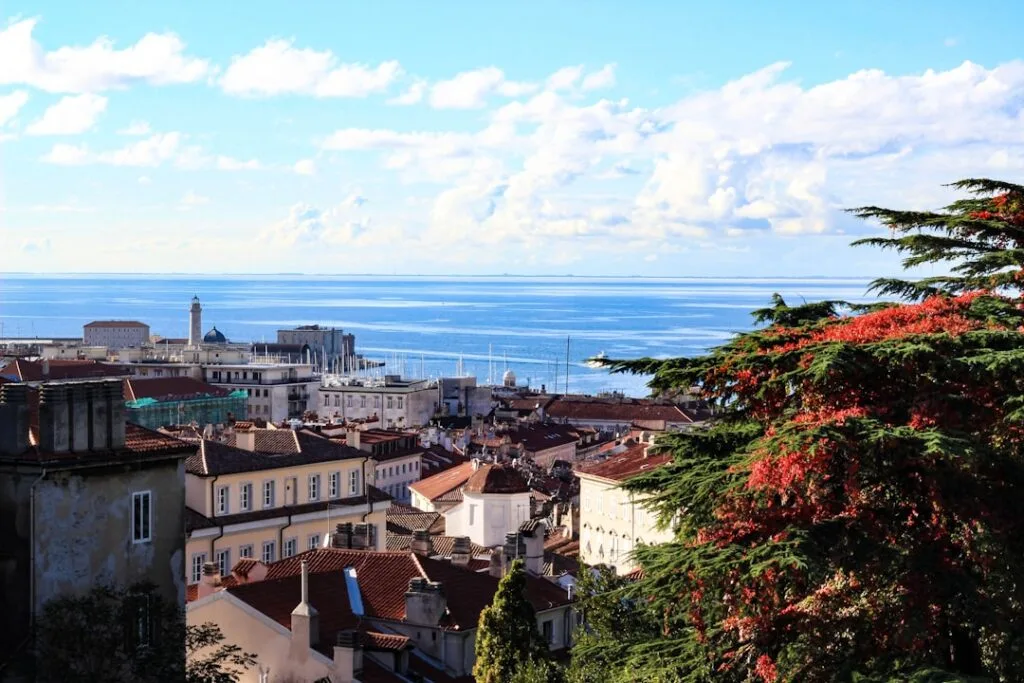





Introduction — Coastal Hike to Sistiana: Coves, Sea Caves & Stunning Views
The stretch of coast between Trieste and Sistiana is one of the Adriatic’s showpieces: white limestone cliffs dropping into ever-changing seas, tiny coves with crystal-clear water, wind-swept paths used by gulls, and marine cavities shaped by millennia of erosion. This coastal hike—perfect for intermediate walkers—mixes history, scenery and swimming opportunities, with every turn revealing a new perspective on the Gulf of Trieste. The classic route largely follows the Sentiero Rilke (Rilkeweg), linking Duino Castle with the bays of Sistiana, but you can easily extend or shorten it depending on your pace and curiosity for caves and hidden coves.
This detailed guide gives you everything you need to plan and enjoy the hike: exact start and end points, opening times and approximate prices for extra sites (castles, caves, car parks), immersive descriptions of the scenery and coves, route tips, gear recommendations, safety rules and local hacks to avoid the hottest hours or reach the best swim spots. Whether you’re a photographer hunting soft backlight on the cliffs, a geology buff curious about limestone strata, or a hiker who wants to finish with a dip and a café terrace, this guide will walk you through it step by step.
The coastal hike to Sistiana is also a cultural experience: the landscape bears traces of exchanges between Italy, Slovenia and the Austro-Hungarian Empire. You’ll pass forgotten forts, heritage villas and fishing villages that still keep tiny harbors and sea ramps. Natural refuges and coves are often on private land, and hospitality varies with the season. We detail access options (parking, opening hours, indicative prices) for major tourist spots like Castello di Duino, Porto di Sistiana and Miramare Castle so you can plan your breaks and visits without surprises.
Finally, this guide offers alternatives depending on the weather and your fitness: route variants to avoid exposed, windy sections, wilder stretches toward the sea caves (best enjoyed from a boat or safe lookouts), and swimming tips for coves such as Baia di Sistiana. Local advice covers best departure times, how to dodge weekend crowds, which shoes to choose, and which apps or paper maps to bring to stay on track. Pack your bag, check tide and weather, and follow us along the coast to discover the charming shift from urban Trieste to the laid-back shoreline of Sistiana.
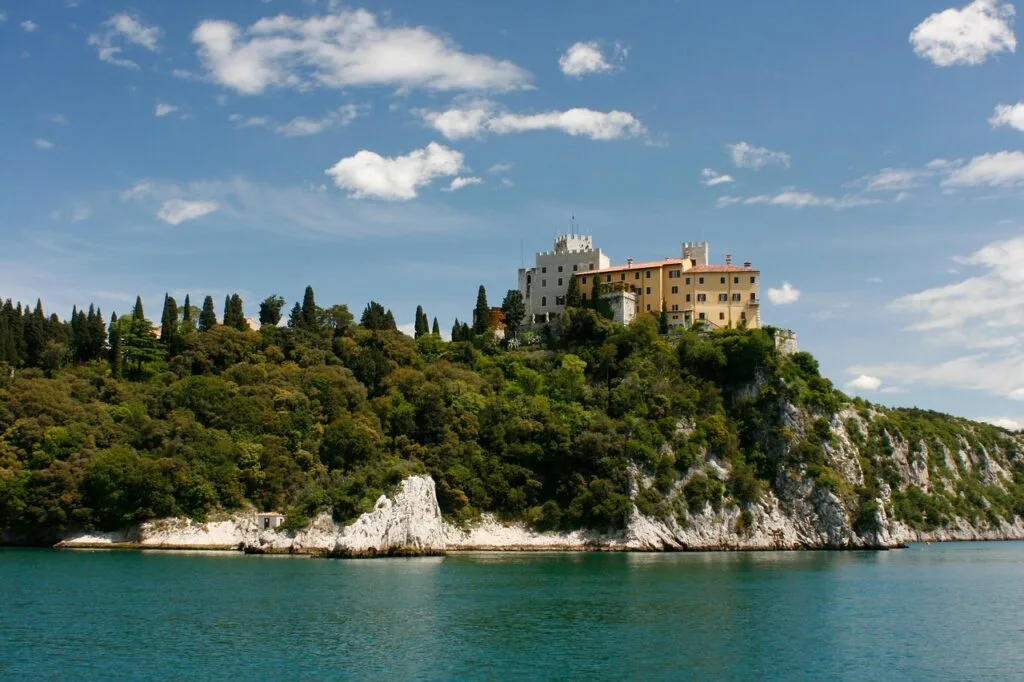
1) Starting Point: Duino and the Sentiero Rilke — history, access and practical tips
The Sentiero Rilke (Rilkeweg) is the red thread of the coastal hike between Duino and Sistiana. This picturesque trail was popularized by the poet Rainer Maria Rilke, who found inspiration in these sea views. Recommended starting point: Castello di Duino (Castello di Duino, Piazza Castello 1, 34011 Duino-Aurisina TS, Italy). The castle towers over the cliff and the sea, offering a spectacular panorama before you even lace up your boots.
Practical information to get started:
– Starting address: Castello di Duino, Piazza Castello 1, 34011 Duino-Aurisina TS.
– Nearby parking: Parcheggio Castello di Duino, Via del Castello 4, 34011 Duino-Aurisina (paid in high season, ≈ €3–5/day, variable by season).
– Public transport: Train to Duino (stazione di Duino) from Trieste Centrale (local line). Then a 10–15 minute walk to the castle.
– Best times to set off: early morning (between 07:30 and 09:00) to avoid crowds and get soft light for photos.
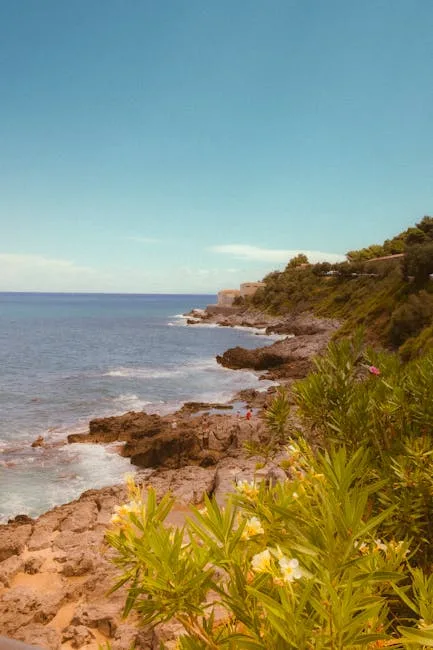
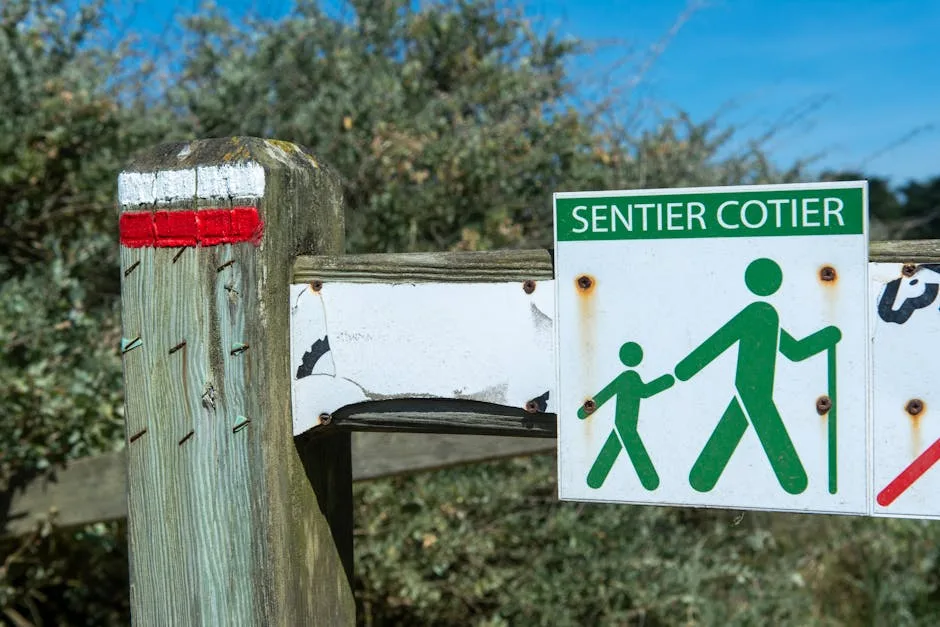
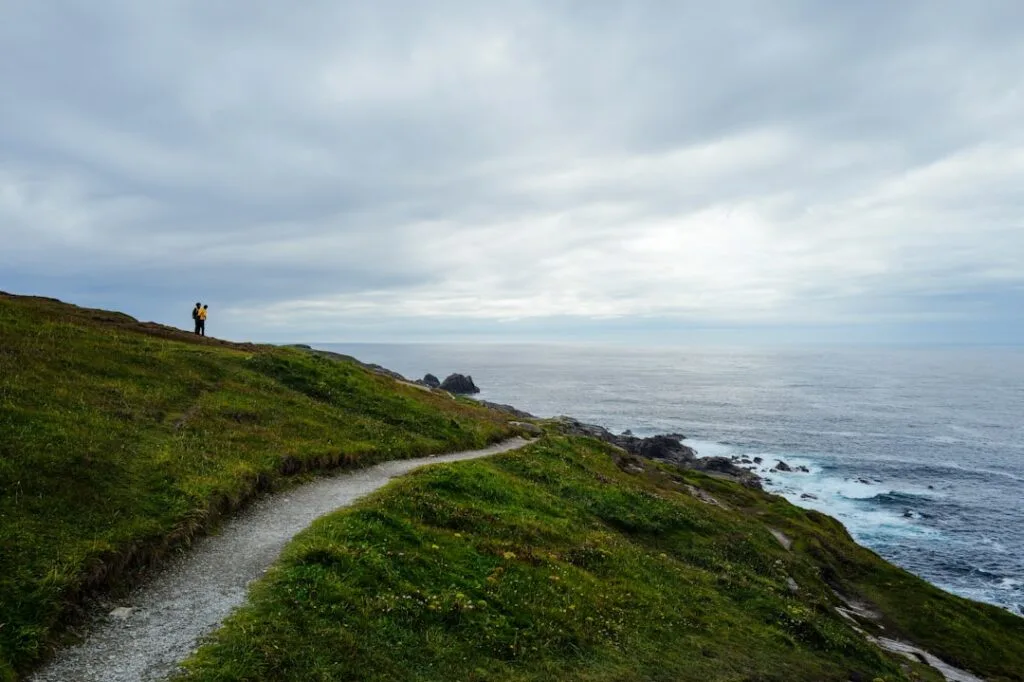
The Sentiero Rilke is well marked and easy to follow: a mix of stony tracks, stairs carved into rock and short grassy sections. The white-and-red markers of the Club Alpino Italiano (CAI) complement local signs. The first stretch from the castle gives close-up views of the cliffs and several viewpoints fitted with information panels (on geology, flora and fauna). Take time to spot Mediterranean vegetation: thyme, rockrose, mastic and the occasional Aleppo pine clinging to steep slopes.
Local tips:
– Footwear: lightweight hiking shoes with good grip (Vibram soles recommended); some limestone slabs can be slippery after rain.
– Water and supplies: bring at least 1.5–2 L of water per person in summer; there are few services on the trail. A small backpack, hat and sunscreen are essential.
– Safety: stick to marked paths, avoid unprotected cliff edges. Wind can be strong and sudden; bring a windproof layer.
– Respect the environment: some coves are privately owned or protected; don’t leave litter and never light fires.
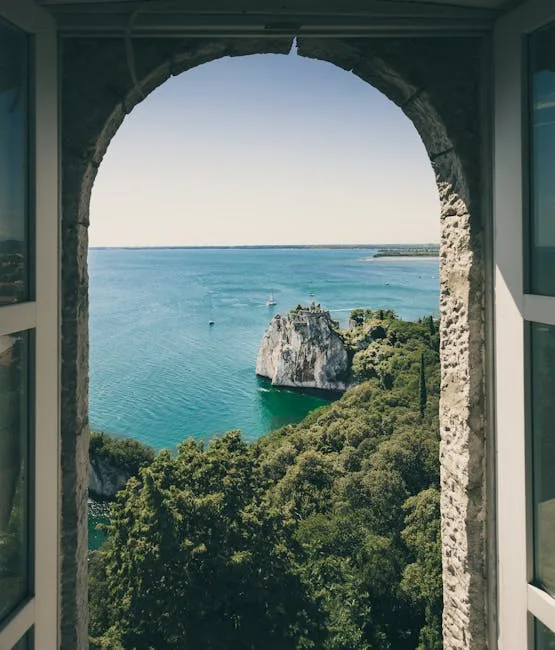
2) Viewpoints and coves between Duino and Sistiana — wildlife watching, photography and swimming
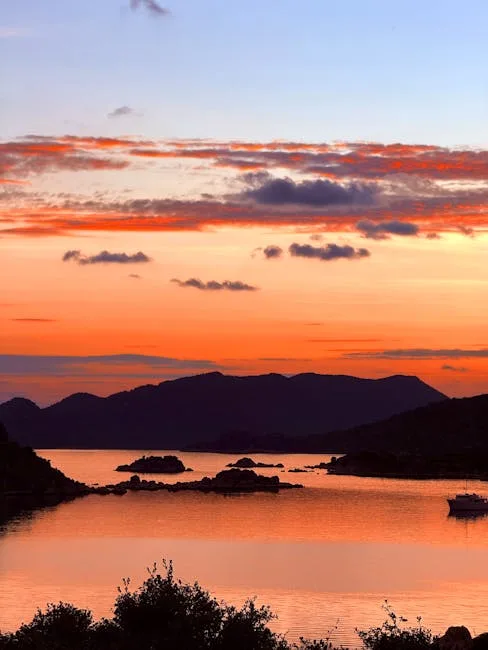
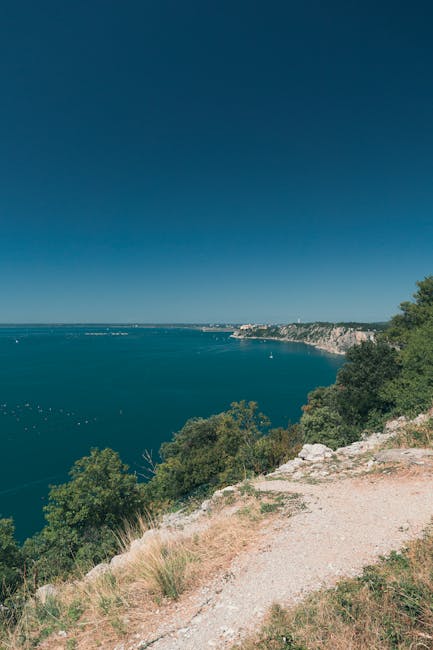
After leaving Duino, the hike unfolds a string of viewpoints revealing hidden coves and rocky inlets. Notable stops include the Punta Sdobba lookout (a natural site reached from the trail), Cala dei Turchi (a rocky inlet with no facilities), and Baia di Sistiana (Baia di Sistiana, Piazza IV Novembre, 1, 34010 Sistiana TS), the natural end point and a great place to swim. The viewpoints offer different angles on the coastline—ideal for photographers: low-angle light at dawn and dusk, shifting blues of the sea, and silhouetted headlands.
Immersive descriptions:
– Punta Sdobba: white cliff, a carpet of scrub and a plunging outlook over marine escarpments. The trail follows the coast, letting you alternate between wide sea vistas and rocky close-ups: concretions, layers and small waves breaking on the rocks.
– Isolated coves: several coves reachable only on foot or via steep steps are peaceful retreats outside August weekends. The water is often a deep blue, with rocky bottoms perfect for snorkeling. Check access conditions as some ramps are no longer maintained.
Arriving at Baia di Sistiana:
– Port/bay address: Porto di Sistiana, Piazza IV Novembre 1, 34010 Sistiana TS.
– Facilities: a small marina, seasonal lifeguard, a few cafés/gelaterias around the harbor.
– Beach: mixed rock and sand areas; the seabed is mainly rocky, so bring water shoes to reach deeper water.
– Activities: swimming, snorkeling, kayaking (seasonal rentals from the port, ≈ €10–25/hour depending on type), short boat trips to the caves (about €30–50/person for a half-day group tour).
Practical tips:
– Best time: May–June and September–October for pleasant temperatures and fewer people. In July–August, start very early.
– Photography: use 24–35mm for wide panoramas; 70–200mm is handy for cliff texture and detail shots.
– Lunch break: pack a picnic and stop at a viewpoint, or take a break at a café in Porto di Sistiana (coffees ≈ €2–4, sandwiches ≈ €6–10).
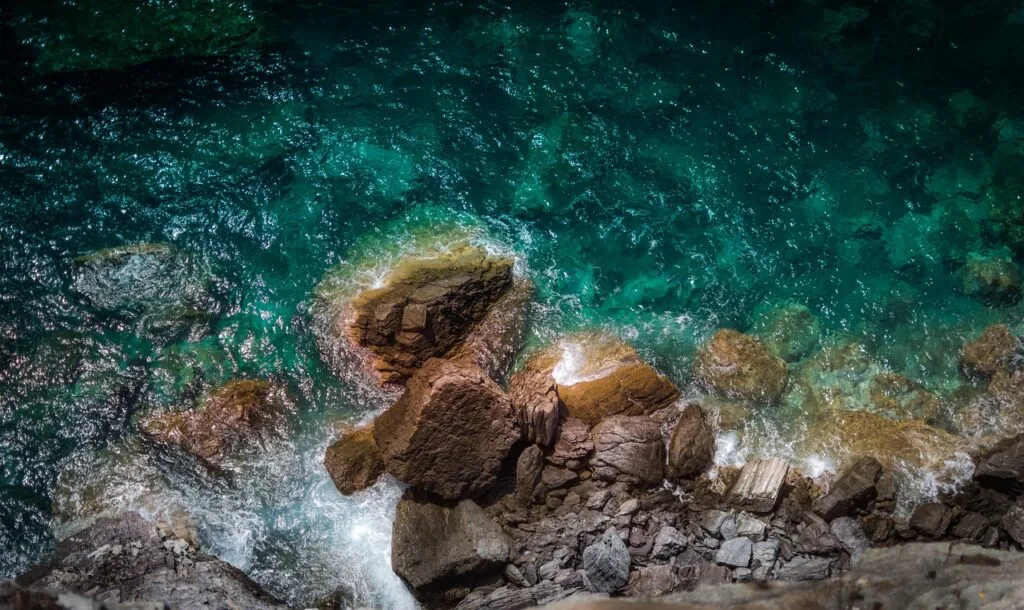
3) Sea caves and marine formations — where to look, how to access them, guided tours
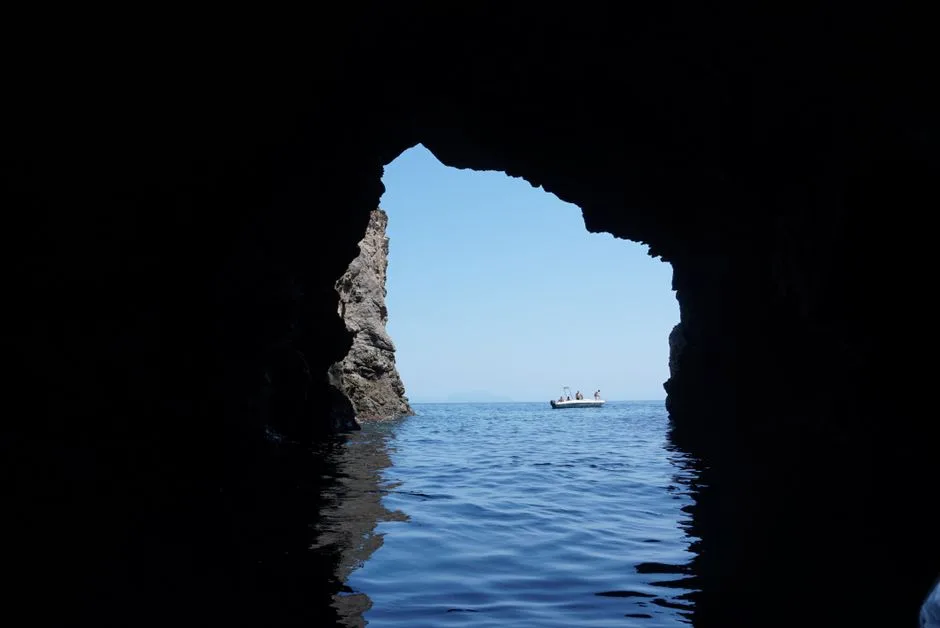
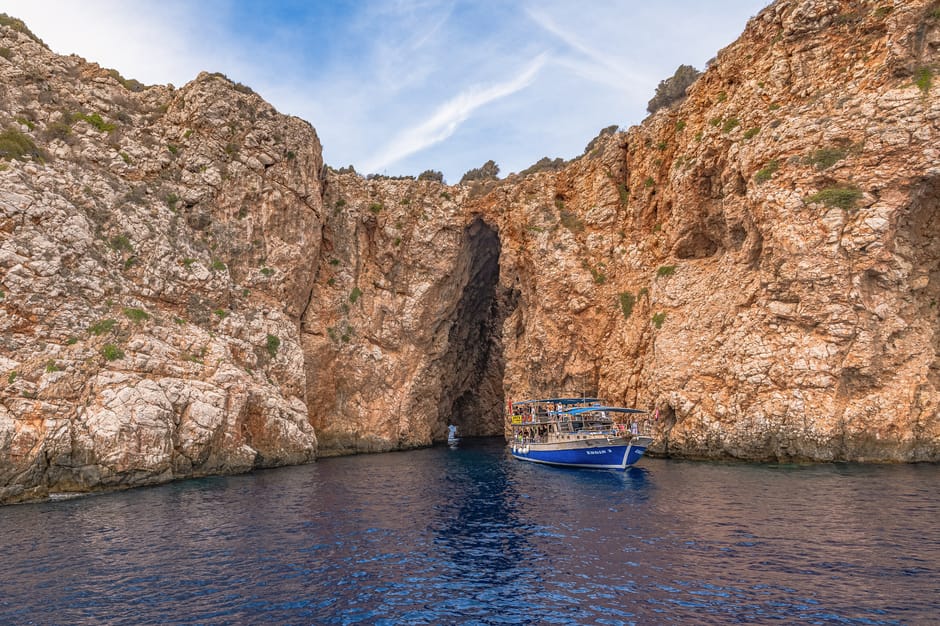
The coastline around Sistiana and Duino is riddled with cavities: some visible from the cliff, others reachable only by boat. Exploring sea caves on your own carries risks (tides, waves, unstable rock), but there are local operators and safe land-based viewpoints.
Recommended cave visits and tours:
– Grotta Gigante (show cave, accessible from Trieste): Address: Grotta Gigante, Via E. M. De Gasperi 3, 34010 Sgonico TS. Indicative opening times: April–October 09:00–18:00, November–March 09:00–16:00 (varies by season). Admission: adult ≈ €11.00, reduced ≈ €7.00, group rates available. Grotta Gigante is not on the seaside route but makes a great complementary visit if you’re intrigued by local geology. Check official hours before you go.
– Boat trips from Porto di Sistiana: several small operators run excursions to visit the sea caves along the coast. Departure point: Porto di Sistiana, Piazza IV Novembre 1, 34010 Sistiana TS. Indicative prices for a guided 1–2 hour trip: €30–50/person depending on group size and itinerary. These outings let you view caves from the sea, sometimes enter accessible cavities and watch sunlight play on the cave walls.
Safety and recommendations:
– Always check the weather and sea conditions before booking a boat trip. East or north winds can make the sea rough.
– Don’t attempt to enter a sea cave alone or without a boat/guide, even if the water looks calm.
– For land-based viewing, stick to marked viewpoints and respect barriers: limestone cracks and can be unstable at cliff edges.
– If snorkeling near caves, wear a light wetsuit if water is below 22 °C and always swim with a buddy.
Local tips:
– The best boat operators can be found right on the Porto di Sistiana quay; compare routes and ask whether a swim stop is included.
– If you use GPS or a marine app, note the port coordinates (Porto di Sistiana: 45.7850 N, 13.6650 E — for guidance) to simplify logistics.
4) Route variations, duration, levels and essential gear
The classic Duino → Sistiana route via Sentiero Rilke is roughly 4–6 km depending on detours, and takes about 2–3 hours of walking without stops. There are plenty of variations: extend the walk toward Miramare Castle if you have spare energy, or shorten it by taking a local bus from Duino station to Sistiana.
Times and difficulty levels:
– Short route (Duino Castle → Porto di Sistiana via Sentiero Rilke): 2–3 hours, moderate elevation, suitable for regular hikers.
– Long route (including ascent to Sistiana Marina, exploring coves and return via the inland road): 4–6 hours, exposed sections and a few steep climbs.
– Families with children: choose cooler hours and avoid cliff-edge sections if kids are very young.
Recommended gear:
– Footwear: low but sturdy hiking shoes or trail runners.
– Clothing: breathable technical layers, windproof, hat, sunglasses.
– Hydration and food: 1.5–2 L of water in summer, energy bars, sandwiches.
– Safety: basic first-aid kit, power bank for your phone, paper map if you expect no signal.
– Swim options: compact towel, water shoes, mask and snorkel for snorkeling.
– Photo gear: a drone if you’re certified to fly in permitted zones (follow local rules), and a wide-angle lens for panoramas.
Extra tips:
– Timing: aim to start between 07:00–09:00 or late afternoon after 16:00 to avoid heat. Sentiero Rilke is especially photogenic around 18:00.
– Supplies: in Duino you’ll find a small grocer and cafés for last-minute supplies; in Sistiana several bars and restaurants serve the port. Example: Bar Ristorante Porto di Sistiana (address: Piazza IV Novembre 1, 34010 Sistiana TS) — meal prices ≈ €10–18 depending on choice.
– Return transport: local buses (ATAP / Trieste Trasporti) and trains connect Sistiana to Trieste; check timetables and frequency by season.
5) Additional points of interest around Trieste: Miramare Castle, museums and local food
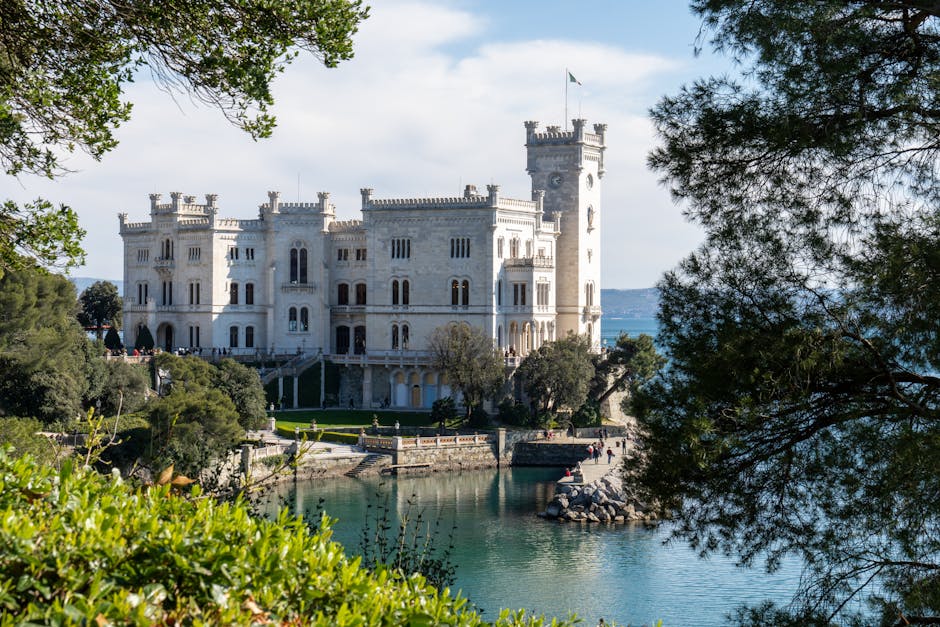
If you extend your stay in Trieste, several visits pair nicely with the coastal hike to Sistiana. Castello di Miramare (Castello di Miramare, Viale Miramare 1, 34151 Trieste TS) is a must-see: a historic-romantic villa overlooking the sea, set in a lush park. Practical info: indicative hours 09:00–19:00 in high season, entrance to the castle and museum ≈ €8.00–10.00 (reduced ≈ €6.00), park free to enter. Check exact times on the official site before you go.
Other suggestions:
– Museo Revoltella (Museo Revoltella, Via Revoltella 13, 34133 Trieste TS) for modern art (hours and prices vary).
– Grotta Gigante (see the caves section) if you want to dig deeper into regional geology.
– Seafood cuisine: try fresh fish and shellfish in the coastal trattorie. Example: Trattoria Al Bagatto (approx. address: Via San Giovanni 4, 34121 Trieste) — fresh fish dishes ≈ €12–20.
Local food tips:
– Try brodetto alla triestina (Trieste-style fish stew) and local shellfish; portions are generous.
– Gelaterias around the port of Sistiana offer homemade flavors (scoops ≈ €2–3).
– Buy artisanal bread and local products (Montasio cheese, sun-dried tomatoes) for a picnic on a viewpoint.
6) Rules, environmental respect and final recommendations before you go
The coast between Trieste and Sistiana is a fragile environment: xerophilous vegetation, nesting seabirds and rocky habitats that host specialized microfauna. Follow local rules and these recommendations to minimize your impact:
- Keep to marked trails: erosion is active and some areas are dangerous without signage.
- Don’t leave litter: take a bag for your trash and, if possible, carry out any litter you find.
- No fires or wild camping: fire risk and habitat fragility make these activities forbidden on the cliffs.
- Respect private property: some coves are private and access is limited; obey fences and signs.
- Pets: if hiking with a dog, keep it on a leash and don’t leave droppings on trails or beaches.
Before you head out, check:
– Local weather (national sites or weather apps) for wind and swell.
– Public transport and opening times for sites you want to visit (Castello di Duino, Castello di Miramare, Grotta Gigante).
– Availability of services at Porto di Sistiana (kayak rentals, boat tours).
Final tip: if you plan the hike late in the day, arrange a return by bus or train from Sistiana or Duino station. On summer weekends car parks can fill up, so reverse logistics (park a car in Sistiana and take train/bus to Duino to start) is often the best solution.
Conclusion — Prepare and savor the coastal hike to Sistiana
The coastal hike to Sistiana is a complete experience: breathtaking sea scenery, coves perfect for swimming, mysterious caves visible from the water, and historic sites dotting the shoreline. Starting at Castello di Duino (Piazza Castello 1, 34011 Duino-Aurisina TS) and ending at Porto di Sistiana (Piazza IV Novembre 1, 34010 Sistiana TS), you cross a unique natural and cultural microcosm easily reachable from Trieste. The practical details in this guide—addresses, indicative prices, typical opening times and gear tips—will help you organize a safe and enjoyable day hike or include this coastal stretch in a longer trip around the region.
Remember that weather and seasonal crowds have a big impact: choose shoulder seasons (May–June, September) to enjoy warm water without overwhelming crowds. Always respect the natural environment by staying on trails, carrying out your trash and avoiding entering caves without a guide. To complement the hike, consider visiting Castello di Miramare in Trieste (Viale Miramare 1, 34151 Trieste TS) and Grotta Gigante (Via E. M. De Gasperi 3, 34010 Sgonico TS) if geology interests you—check current opening times and prices online beforehand.
Ultimately, the magic of this coast lies in its variety: white cliffs, turquoise coves, fishing villages and pockets of history. Whether you’re a photographer, geology enthusiast, hiker or simply seeking a peaceful seaside moment, the walk to Sistiana delivers memorable panoramas and authentic maritime vibes. Happy hiking, and savor each viewpoint as an invitation to come back and explore more of the Gulf of Trieste.