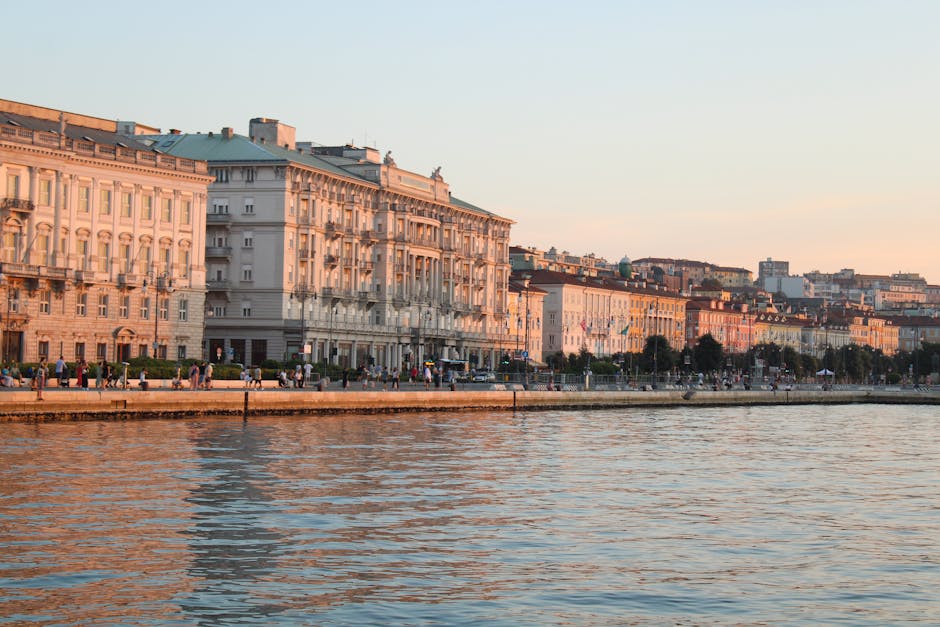






Introduction: From the grand Piazza Unità d’Italia to rocky coves — the promise of a Triestine stroll
Trieste is a city born where the Adriatic meets Central European influences and a bustling maritime past. Around every corner, Austro-Hungarian façades, historic cafés and sea vistas blend to create an urban experience that naturally spills out toward a rocky coastline and small coves where swimming often means jumping off rock platforms or slipping into sheltered bays. This route-guide takes you from the majestic Piazza Unità d’Italia through the network of coastal promenades and into the clear-water coves: a journey mixing heritage, panoramas, leisurely wandering, swimming and practical tips to get the most out of Trieste.
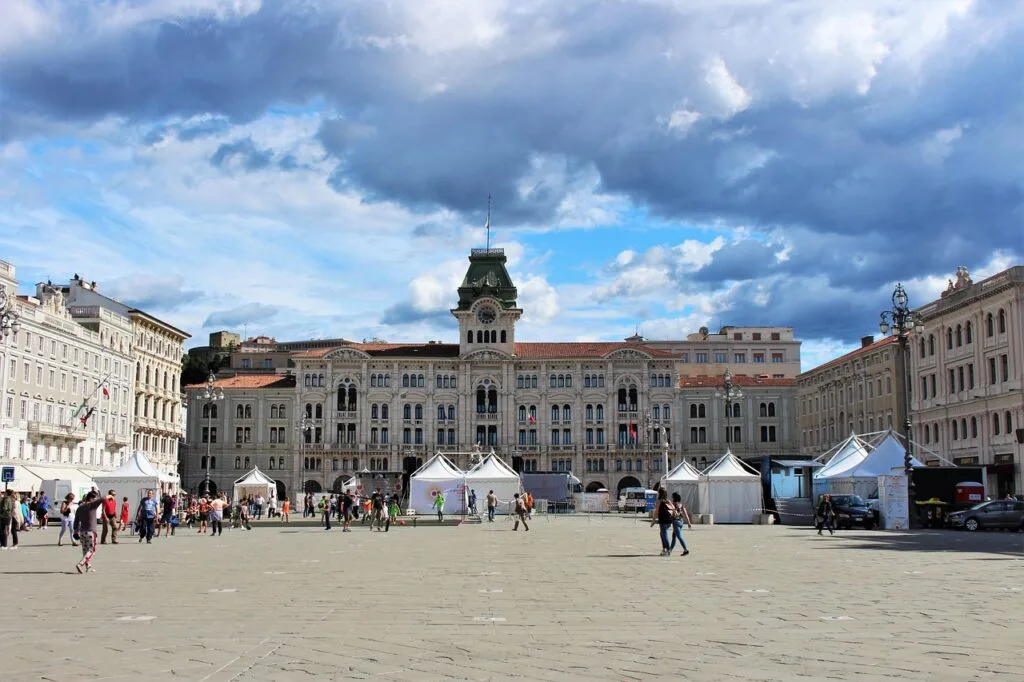
Piazza Unità d’Italia (Piazza Unità d’Italia, 34121 Trieste) is an obvious starting point: a maritime square open to the Adriatic, ringed by neoclassical buildings and historic hotels. From here the city unfolds with narrow streets, discreet canals, cafés and a shoreline reachable on foot or by public transport. Heading down toward the seafront you’ll pass Molo Audace (Molo Audace, 34121 Trieste), witness to major maritime arrivals, and the Canal Grande (Canal Grande, 34121 Trieste) where boats and waterside terraces share slow evening hours.
Beyond the urban axis, Trieste’s coastal promenade is often called the “Lungomare” — a series of pedestrian paths and developed rocks known as Barcola (Lungomare di Barcola, 34135 Trieste), the iconic spot where locals sunbathe and swim. Continuing northwest, the coast is punctuated by small bays and coves such as Baia di Sistiana (Via della Baia, 34077 Duino-Aurisina) and the inlets around Duino and Miramare, where pebble beaches, piers and more secluded coves are reached via coastal paths.
This general guide, made for the curious stroller, lays out a progressive route: urban discovery, must-see sites, swimming options, practical maps (opening times, rough prices, exact addresses) and local tips to tailor your visit according to weather, season and activity level. Whether you like vigorous swims, napping on a sun-warmed rock or reading under a maritime pine, Trieste provides varied options — both in town and at the water’s edge.
Finally, this text emphasizes the sensory experience: city sounds, briny scents, the taste of local coffees and cuisine, the textures of rocky paths and the sea views from sometimes-surprising lookout points. The addresses, times and prices given will help you plan; still, always allow for seasonal changes or holiday schedules. Enjoy exploring, and be ready to swap the buzz of an emblematic European square for the salty calm of its coves.
Piazza Unità d’Italia, Molo Audace and the historic center: civic and maritime soul (walking tour)
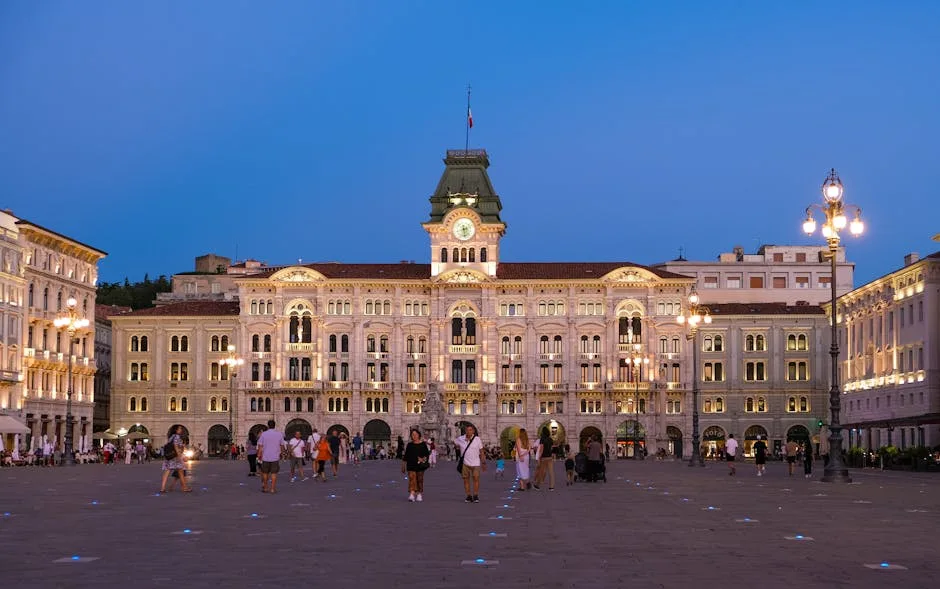
Begin your route at Trieste’s symbolic heart: Piazza Unità d’Italia (Piazza Unità d’Italia, 34121 Trieste). The square, open to the sea, is framed by notable buildings like the Prefettura and the Municipio (Palazzo del Municipio, Piazza Unità d’Italia 5, 34121 Trieste) and historic cafés such as Caffè degli Specchi (Piazza Unità d’Italia 4, 34121 Trieste). Caffè degli Specchi typically opens from 07:00 to 21:00; an espresso at the counter costs around €1.20–€2.00. The Piazza is accessible 24/7 and makes a great meeting point for morning light or sunset views.
Walking toward Molo Audace (Molo Audace, 34121 Trieste), stroll along the waterfront where fishermen, pleasure boaters and passersby share the same space. The pier, long and narrow, offers sweeping views of the Adriatic and the ferries leaving port. From Molo Audace you can clearly see the outline of the Gulf of Trieste and, on clear days, the distant silhouettes of Istria. It’s a prime photo spot: soft light in the morning, livelier scenes in the afternoon and rosy facades at sunset.
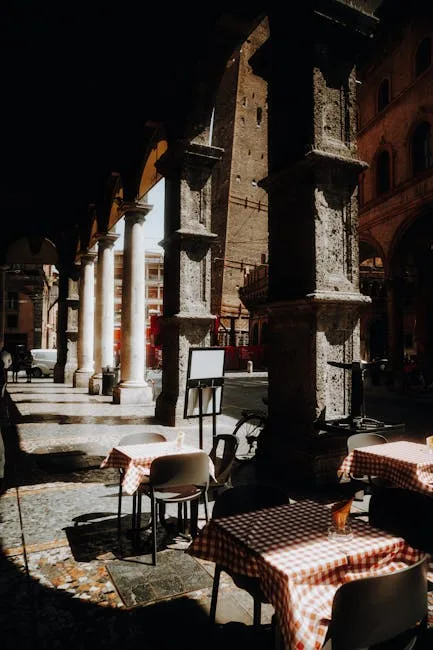
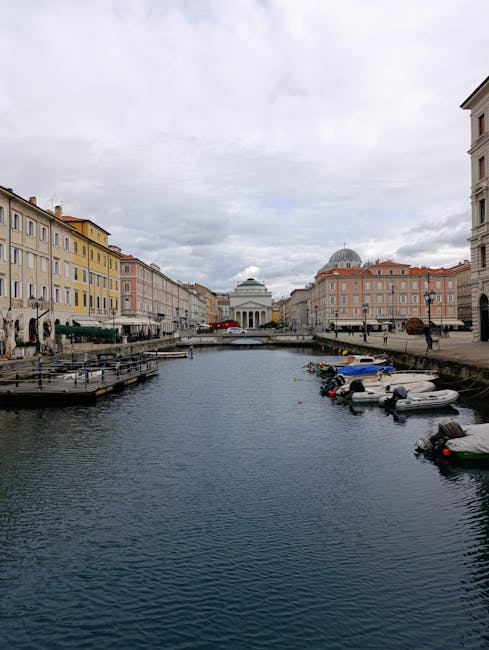
Continue on to the Canal Grande (Canal Grande, 34121 Trieste), a picturesque little canal lined with restaurants and terraces. The Ponte Rosso, near the Teatro Romano, is a good place to watch boats and the ducks that sometimes occupy the calm waters. Along the quays several seafood restaurants serve starters for around €10–€16 and mains between €15–€30, depending on the venue. Typical restaurant hours are 12:00–15:00 and 19:00–23:00. Prices can rise significantly in high season (July–August).
Practical tips: to really get Trieste, have a coffee in one of the historic bars and watch local life unfold. Tourist information offices (Comune di Trieste – Ufficio informazioni turistiche, Via Dante 18, 34132 Trieste) are usually open in high season from 09:00 to 18:00; they offer maps, bus timetables (Trieste Trasporti) and tickets for guided tours. The bus network covers the city and the coast well (single urban ticket €1.30–€1.70 depending on duration; tickets sold at tobacconists or via the Trieste Trasporti app). For a short trip to Barcola, buses no. 6 or 36 are commonly used; check online timetables for the specific day of your visit.
Barcola and the Lungomare: sunbathing platforms, swimming and local life
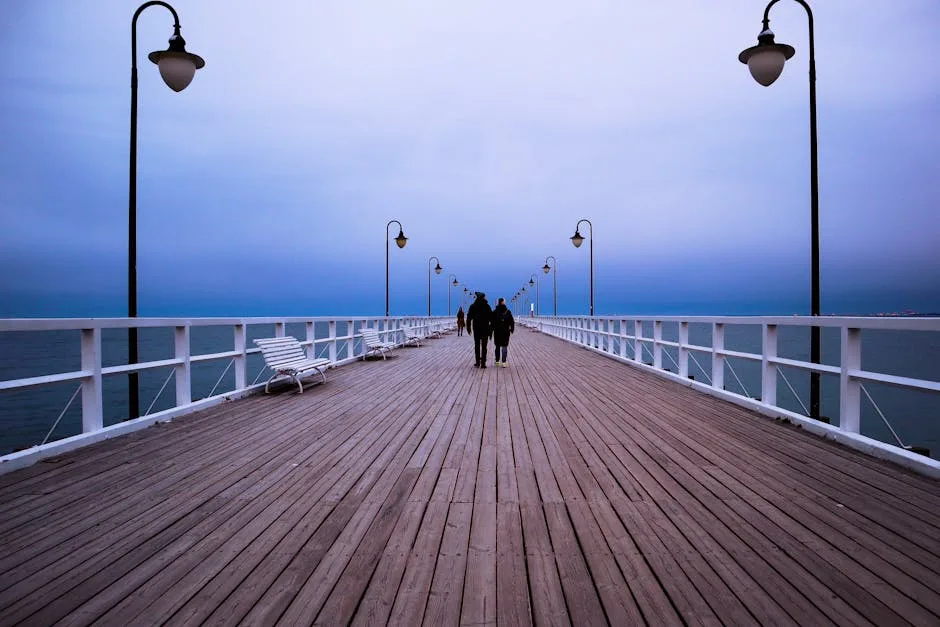
Barcola (Lungomare di Barcola, 34135 Trieste) is the coastal neighborhood locals favor for sunbathing and swimming without leaving the city. The shoreline is mostly rocky, organized into long concrete platforms arranged for lying in the sun and diving straight into often-clear water. The main access is from the passeggiata that follows the lungomare road: you can walk down from the center in 30–45 minutes or take urban bus no. 6, 36 or 2 (stop Barcola/Lungomare). A handy reference address is Passeggiata di Barcola, 34135 Trieste.
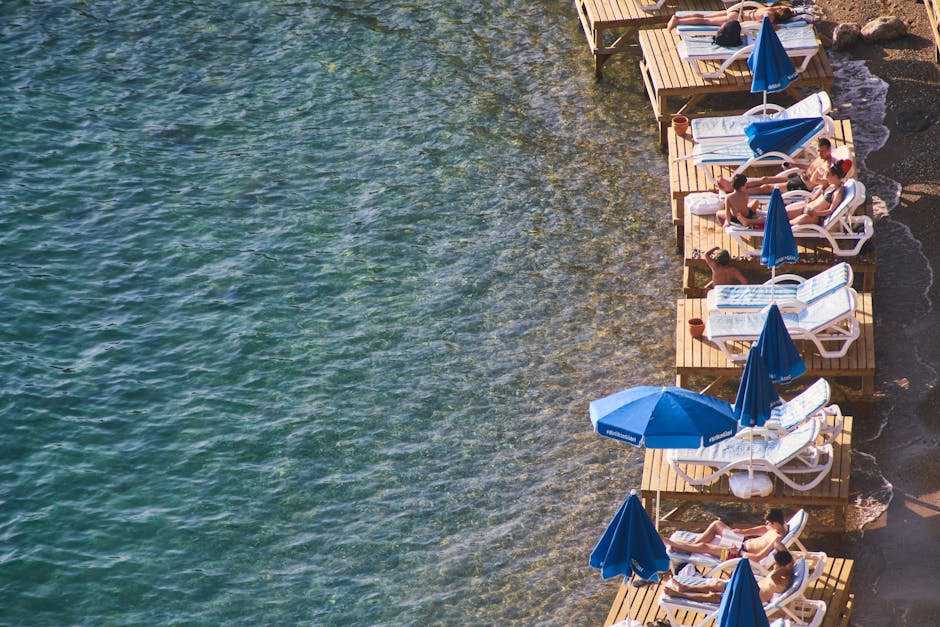
Facilities and services: most Barcola swimming spots are free and unsupervised; a few stabilimenti balneari offer sunbeds, showers and bars (roughly €10–€25 per day for a sunbed + umbrella, depending on the establishment). A known venue is lo Stabilimento Balneare Ausonia (Lungomare di Barcola 11, 34135 Trieste); opening times and prices vary in summer (roughly 09:00–20:00). Public showers and toilets are usually found near main access points, but not everywhere: come prepared with water shoes and a towel.
Activities: swimming at Barcola can be cooled by a local wind called the Bora; check conditions before entering the sea. The area attracts swimmers, runners and cyclists — the lungomare route is flat and offers a constant sea view. For open-water swimmers, visibility is generally good but the coast is rocky: prefer spots with ladders or ramps. Families with children will appreciate the small sheltered bays near rocky headlands.
Local tips: arrive early to grab a good platform or a spot on the seawall; in late afternoon the light is perfect for photos. Bring water shoes to avoid cuts on the rocks and a dry bag if you plan to explore small rock cavities. If you want a snack, kiosks and bars along the lungomare serve panini, gelato and cold drinks — budget roughly €3–€8 per snack.
Miramare, Duino and the northwest coves: castles, parks and clear waters
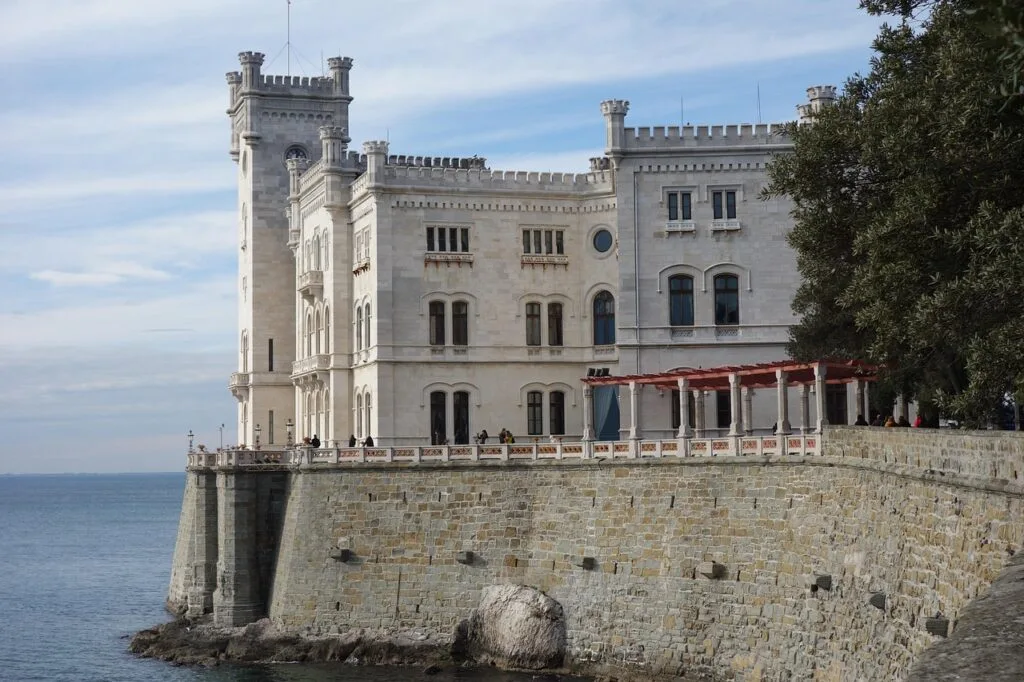
Venture off the urban route toward the spectacular Castello di Miramare (Castello di Miramare, Viale Miramare 30, 34151 Trieste). The estate, a 19th-century castle overlooking a bay, is one of the most photographed spots in northeastern Italy. Typical hours: 09:00–19:00 (last entry roughly 30–60 minutes before closing), closed on some off-season days — check the official site. Indicative prices: Castle + Museum ticket €10–€12 per adult, reduced €7–€9 for youth and seniors; the park is usually free to enter (check for areas with paid access).
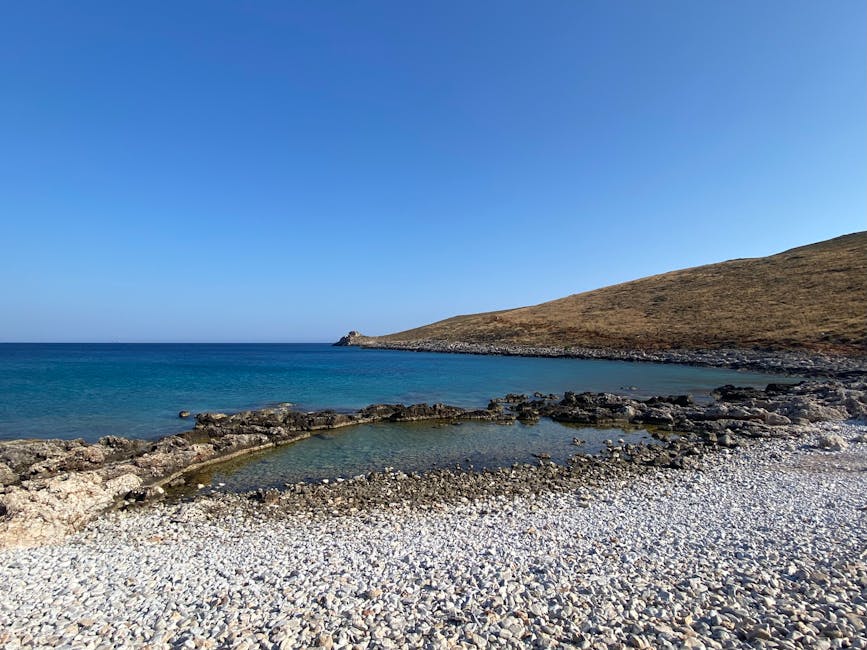
Miramare Park is perfect for a shaded stroll among maritime pines and exotic species introduced over the years, with viewpoints looking down on the coves below. To reach the coves from the castle, follow the coastal paths: rocky descents lead to pebble inlets or rocky niches ideal for swimming. Accesses can be steep; closed-toe shoes and caution are recommended. The beach in front of Miramare is partly fitted with piers and ladders to ease entry into the water.
Further northwest, the Duino-Aurisina municipality hides small bays and intimate coves. Baia di Sistiana (Via della Baia, 34077 Duino-Aurisina) is a mixed pebble/gravel beach reachable by car and served by paid parking in season (around €3–€6 for a few hours). Sistiana also has seafood restaurants and beach bars; a full meal there averages €18–€35 per person. For the adventurous, the coastal trail between Duino and Sistiana offers dramatic views of limestone cliffs and tiny coves — allow 2–4 hours depending on swim and photo stops.
Access and transport: from central Trieste, Miramare is reached by urban bus no. 6 (direction Miramare) or by car (about 15–20 minutes depending on traffic). Duino and Sistiana are 20–30 minutes by car; regional bus lines (ARRIVA) and some local trains serve nearby stations. Seaside parking can be limited in high season — aim for early morning departures or late afternoon returns to avoid crowds.
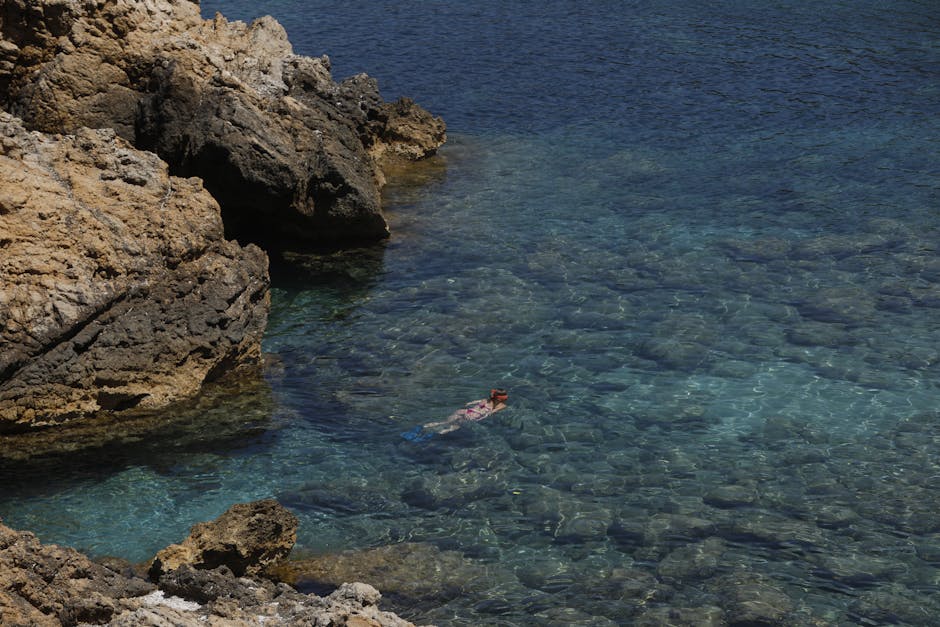
Local tips: bring a mask and snorkel — the seabed around Miramare and Sistiana is often rich in small fish and rocky formations. If you plan to stay for sunset, bring a headlamp for the path back if you return after dark. Respect local rules for protecting natural areas: collecting pebbles or plants is prohibited, and some zones are protected for seabird nesting.
Practicalities and recommendations: hours, budgets, safety and tips to make the most of your visit
To organize your walk from Piazza Unità to the coves, here are practical recommendations, typical opening times, indicative budgets and safety advice for a smooth and enjoyable experience.
- Hours and seasons: the beach high season runs from June through September. Urban attractions (museums, markets) generally follow 09:00–18:00/19:00 hours off-season. Restaurants serve lunch 12:00–15:00 and dinner 19:00–23:00; some cafés stay open all day.
- Transport: Trieste Trasporti urban bus tickets: 75-minute ticket about €1.30–€1.70, booklets of 10 tickets often available at reduced rates. Taxi from the center to Miramare around €15–€25 (depending on traffic). Bike and e-scooter rental available in the center — handy for the lungomare but watch out for rocky stretches.
- Indicative budget: coffee €1–€2, simple lunch €10–€18, dinner €20–€35 per person. Miramare Castle entry €10–€12, guided historical tours €8–€15 depending on length. Public beaches are free; stabilimenti charge €10–€25 for sunbed and umbrella.
- Safety and health: the coast is often rocky: wear water shoes. Check the weather and wind (Bora) before swimming; obey flags and warning signs. In an emergency call 112 (European emergency number).
- Local respect: Trieste is multicultural with a rich heritage: keep places clean and avoid leaving litter on beaches. Some coves are protected — follow signs and don’t light fires.
- Photo tips and timing: for dramatic shots favor sunrise over Piazza Unità (soft light) and sunset at Barcola/Miramare (pink hues). Bring a small tripod for long exposures on Molo Audace at dusk.
Suggested one-day itinerary: Morning (9:00–12:00): Piazza Unità, Molo Audace, Canal Grande, coffee and breakfast. Midday (12:30–14:30): lunch near the Canal Grande or head to Barcola for a seaside snack. Afternoon (15:00–18:30): trip to Miramare, castle visit and descent to the coves for a swim. Evening (19:00–22:00): dinner in Duino or return to Trieste for a sunset stroll. Adapt this schedule to the weather, your swimming plans and your group’s pace.
Conclusion: Between city and sea, Trieste offers a full and nuanced walk
Walking from Piazza Unità d’Italia to the coves along the Trieste coast concentrates the best of what this port city has to offer: grand urban architecture, a culture of cafés and terraces, a friendly seafront, aristocratic parks and coves inviting you to swim in surprisingly clear water. In just a few kilometers you shift landscapes: from urban stone opening onto the sea to rocky alcoves and calm inlets where the local geology provides as many stops as the city’s cafés.
This guide has offered concrete landmarks (Piazza Unità d’Italia, Molo Audace, Canal Grande, Lungomare di Barcola, Castello di Miramare, Baia di Sistiana), useful addresses, opening times and indicative prices to plan your day with confidence. Remember that the real richness of a Trieste stroll often lies in small detours: a forgotten café to linger in, a path descending to a secluded cove, a bench overlooking the sea for dinner at sunset. Respect the places and environmental rules, bring suitable footwear and swimwear, and be ready to walk — Trieste rewards those who explore it on foot.
Finally, tailor your expectations to the season. In summer the city and beaches bustle; outside high season you’ll enjoy a more contemplative atmosphere and gentler prices. Whatever the time of year, the blend of city life and sea bathing makes Trieste a complete destination for travelers seeking culture, relaxation and coastal nature. Safe travels and enjoy every shoreline, from the main square to the quietest cove.