





Trieste Shipyard: Craftsmanship, Innovation and Local Marine Know‑How
Introduction
The Trieste shipyard stands as a living testament to the city’s industrial, maritime and cultural history, tucked along the shores of the Adriatic Sea. For decades the quays, slipways and workshops have echoed with the sounds of shipbuilding and repair, blending age‑old craftsmanship with modern technology. This article is a practical, in‑depth guide for anyone wanting to understand, visit and appreciate the unique skills of Trieste’s shipyards. We cover the history, current facilities, local companies, visit options, ancillary services and practical tips to get the most out of your time in Trieste.
Located at Italy’s far north‑eastern edge, Trieste has always been a gateway to the East and a strategic trading hub. The region’s shipyards have leveraged that position to develop expertise in merchant vessel construction, complex repairs and — more recently — high‑tech projects such as offshore platform components and sustainable marine systems. Facilities range from former imperial arsenals to modern workshops fitted with cutting‑edge equipment. The juxtaposition of old wooden frames and covered hangars housing CNC machines illustrates the sector’s adaptability.
This guide is aimed at professionals (engineers, naval architects, logistics managers), maritime engineering students, and curious travelers who want to explore a less touristic side of Trieste. You’ll find exact addresses — quays, slipways, management offices — opening times for visits, indicative prices for guided tours, and local recommendations (cafés, museums, transport). We also include immersive site descriptions, safety tips and practical advice for photographers and fans of industrial architecture.
Trieste’s shipyards are constantly evolving. Recent investments show a commitment to sustainability: eco‑friendly paints and coatings, drydock water recovery, emissions management and integration of composite materials. Public‑private partnerships support local training programs to ensure skills are passed between generations. A visit to Trieste is therefore more than watching hulls — it’s a live lesson in how tradition reinvents itself to meet contemporary challenges.
Below you’ll find four detailed sections covering: 1) the main sites and their addresses, 2) related museums and guided visits, 3) local companies and innovations, and 4) practical tips and itineraries to plan your visit. Each section includes practical info (hours, prices, contacts) as well as suggestions to extend your exploration in the port district. Photos and recommended viewpoints are marked to help you picture the places before you go.
<img width="940" height="633" src="https://ue.is/wp-content/uploads/sites/41/2026/06/port-of-trieste-molo-vii-industrial-waterfront-daytime-view.webp" class="aligncenter" alt="Port of Trieste, Molo VII industrial waterfront by day » loading= »lazy » />
1. Main shipyard sites in Trieste: addresses, roles and history
The Port of Trieste is made up of several industrial areas and shipyards with distinct functions. Here’s a detailed list of the main sites you can visit, complete with exact addresses, roles and historical tidbits.
Cantiere Navale Arsenale Vecchio
Address: Molo della Bersaglieri, 34121 Trieste TS, Italy
Role: Heavy ship repairs, historic drydocks, carpentry and metalworking workshops.
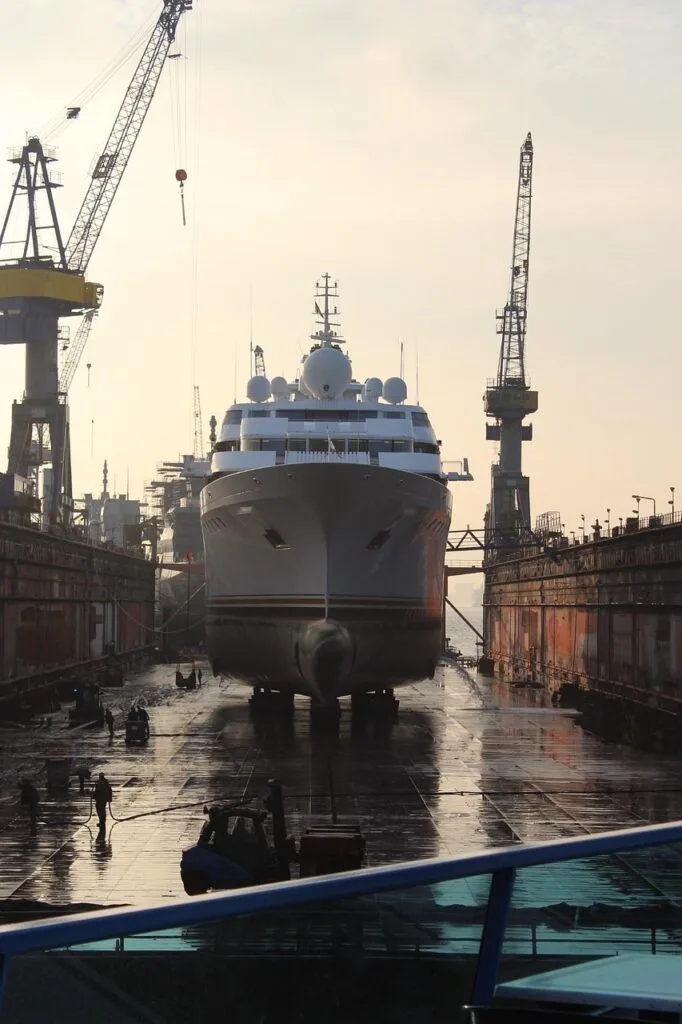
Description: Arsenale Vecchio, along the Molo della Bersaglieri, is one of the oldest parts of Trieste’s port complex. The large stone and steel drydocks date back to the 19th century and present a striking contrast with modern equipment. You’ll find hull maintenance, high‑precision welding and superstructure refurbishing services. The carpentry workshops are especially well known for restoring classic yachts.
Opening hours: Technical areas by appointment; reception and guided tours possible Monday–Friday, 09:00–17:00.
Indicative prices: Group site tour: €10 per person; specific workshop visits: €15–€25 depending on duration and access to technical zones.
<img width="682" height="1024" src="https://ue.is/wp-content/uploads/sites/41/2026/06/trieste-porto-vecchio-shipyard-cranes-and-docks-682×1024.webp" class="aligncenter" alt="Historic docks and cranes at Porto Vecchio shipyard, Trieste » loading= »lazy » />
Cantiere Navale Porto Vecchio / Molo VII
Address: Molo VII, Porto Vecchio, 34123 Trieste TS, Italy
Role: Construction yard and port infrastructure works; slipways for cargo ships and ferries.
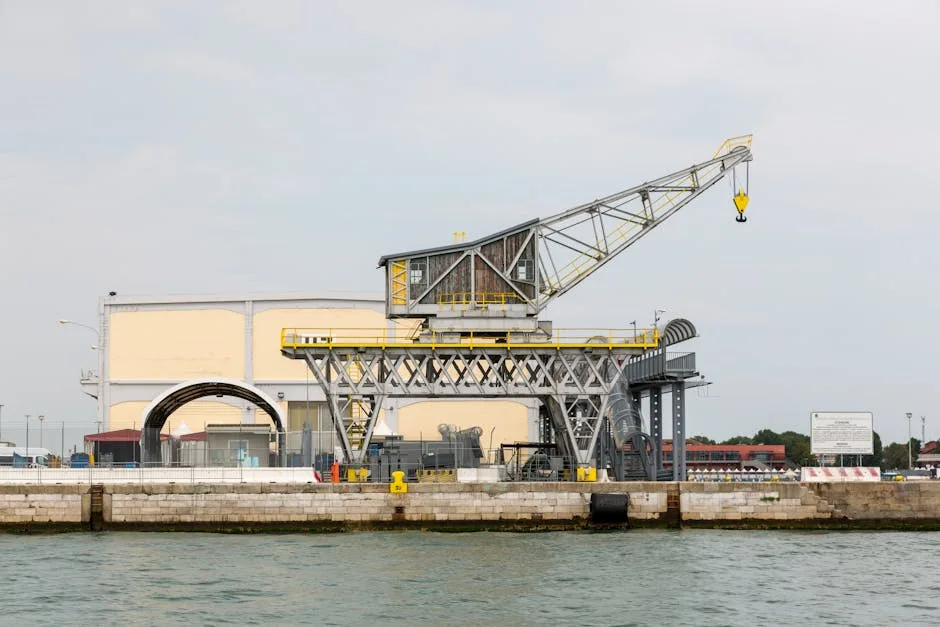
Description: Molo VII hosts construction operations and a range of marine equipment workshops. Big cranes and metal hangars dominate the skyline. You’ll see hulls under construction, propulsion systems being installed and indoor testing areas. Some stages run 24/7, but public visits are usually restricted to daytime slots for safety reasons.
Opening hours: Public access limited; guided visits by reservation only, typically 09:00–12:00 or 14:00–16:00.
Price: Specialized technical visits (for engineers): €30–€50 per person (on request).
Cantiere Navale di Muggia (near Trieste)
Address: Via del Cantiere, 1, 34015 Muggia TS, Italy
Role: Local yard for small craft, repairs for fishing and pleasure boats.
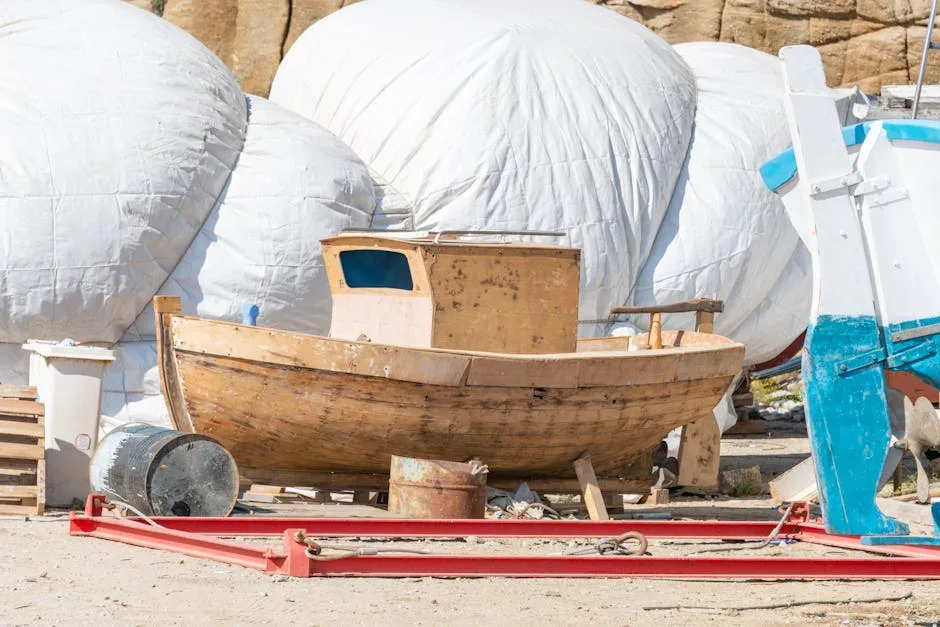
Description: Located in Muggia, a small town a few kilometers east of Trieste, this yard specializes in fishing boat repairs and small‑craft maintenance. Craftsmen still use traditional caulking and rigging techniques. It’s an excellent spot to watch artisanal methods and chat with local shipwrights.
Opening hours: Monday–Friday 08:00–17:00; closed weekends. Visitor access by appointment.
Price: No formal tour; suggested donation to the workshop: €5–€10.
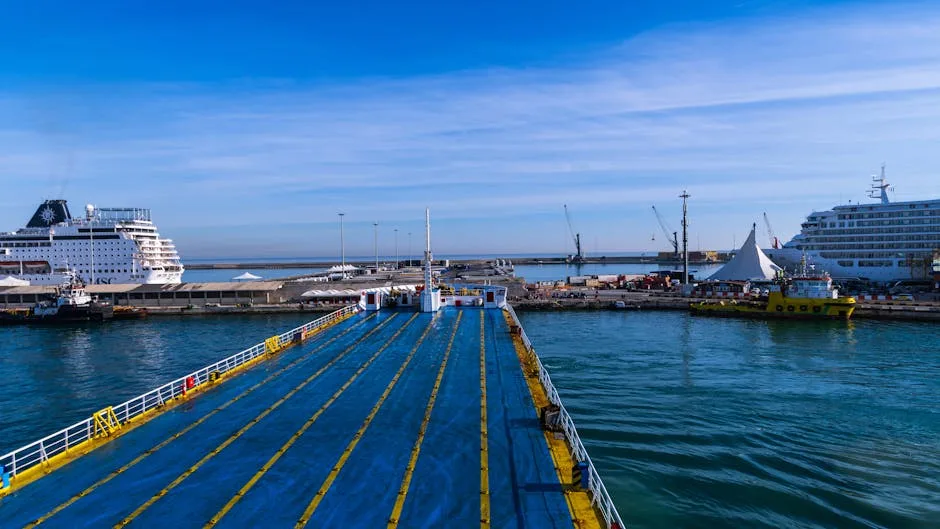
Trieste Commercial Port – Cruise Terminal
Address: Viale Miramare, 4, 34123 Trieste TS, Italy
Role: Passenger terminal, logistics for cruise ships and interface with shipyards for quick repairs.
Description: The cruise terminal contrasts with the industrial setting: modern reception areas, shops and cafés. It sometimes serves as a meeting point for shipyard tours and offers safe vantage points to watch port activity. Many bus tours include a drive past the shipyards for an exterior view and historical commentary.
Opening hours: Open 24/7 for embarkation; tourist info zones open 09:00–19:00.
Price: Public access to terminal areas is free; guided port excursions: €8–€15 per person.
2. Guided tours, museums and naval heritage experiences
Trieste’s naval heritage is told through museums, guided tours and hands‑on experiences. Here are concrete options, addresses, prices and tips to make the most of each visit.
Museo Storico Navale di Trieste
Address: Via Capitelli, 3, 34121 Trieste TS, Italy
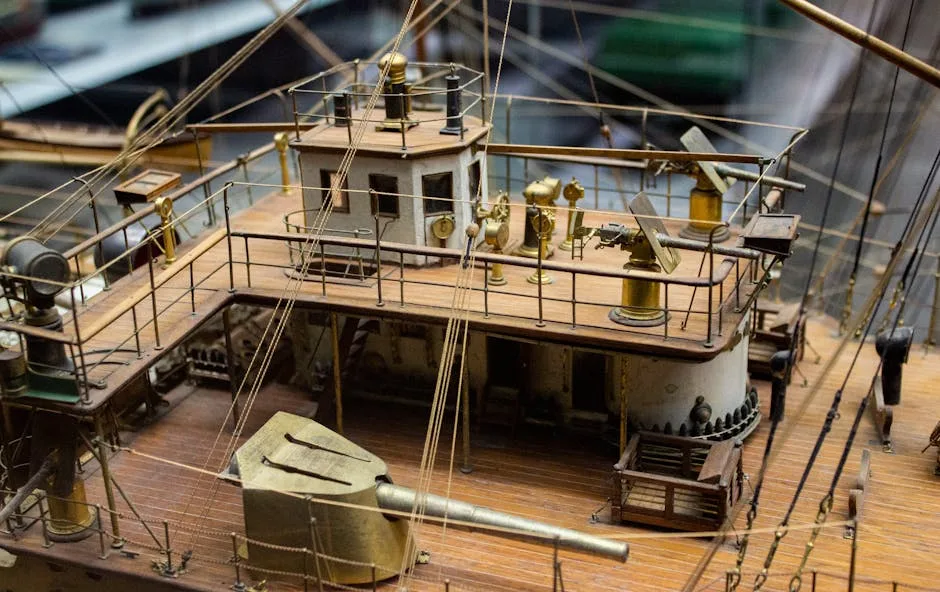
Description: The Naval History Museum traces Trieste’s maritime past with ship models, navigation instruments, photographic archives and period uniforms. The permanent exhibition covers the Austro‑Hungarian era, the heyday of Trieste’s shipping companies and recent port transformations.
Opening hours: Tuesday–Sunday 10:00–18:00 (closed Monday). Last admission 17:30.
Price: Adults €6; students and seniors €4; children under 12 free.
Tip: Book a themed guided tour (e.g. « Shipbuilding in Trieste ») through the museum office: €40 for a group of 1–10 people, by reservation 48 hours in advance.
Shipyard visits: procedures and safety
Most shipyards don’t allow open public access for safety reasons. Visits are by appointment and come with strict rules:
- Equipment: Hard hat, high‑visibility vest and closed‑toe shoes are mandatory. Shipyards sometimes provide gear if you don’t have it.
- Duration: Expect 60–90 minutes for a general guided tour; 2–3 hours for an in‑depth technical visit.
- Languages: Tours are usually in Italian; request an English or French tour in advance (extra fees may apply, €10–€20 for an English‑speaking guide).
- Access: Minors must be accompanied by an adult and wear safety gear.
Indicative prices: general tour €10–€20; specialized technical visit €30–€60 per person depending on depth and workshop access. School groups can book educational packages (from €6 per pupil).

Excursions and public viewpoints
If you prefer to watch activity from the outside, several viewpoints and excursions offer great perspectives:
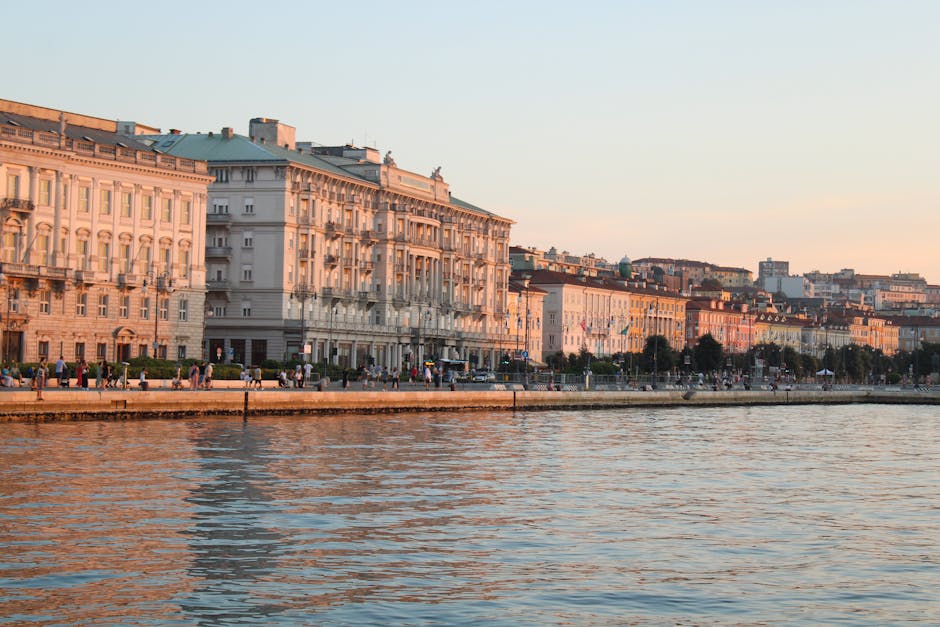
- Molo Audace (Piazza Unità d’Italia, 34121 Trieste TS): Stroll along the pier for distant views of the shipyards and cranes. Free and always accessible.
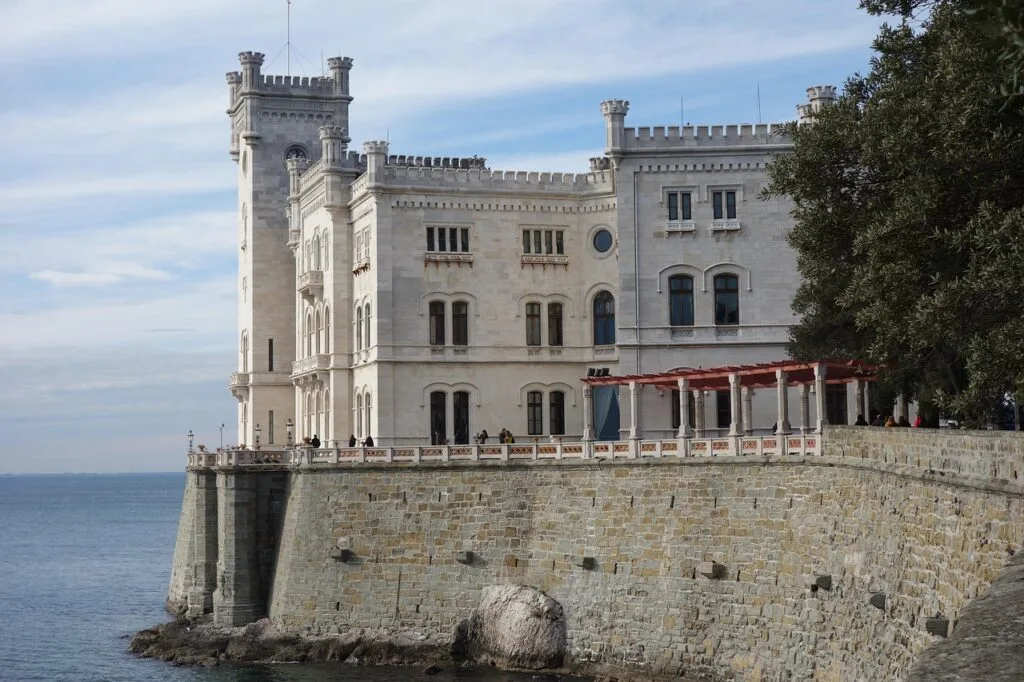
- Miramare Castle (Viale Miramare, 34151 Trieste TS): From the park and clifftops you get panoramic views over the gulf and the port. Castle entry €10 for adults; the park is free.
- Boat trips: Local operators run short observation cruises of the port (departures from Quai dei Legnami or Viale Miramare). Price: €12–€20 per person, duration 45–60 minutes.
3. Local companies, innovations and training pathways
Trieste isn’t just a repair hub — it’s a maritime innovation cluster. Local companies and research centers work on technological solutions, advanced materials and the green transition for the marine sector. Here’s an overview of the key players and training opportunities.
Main industrial players
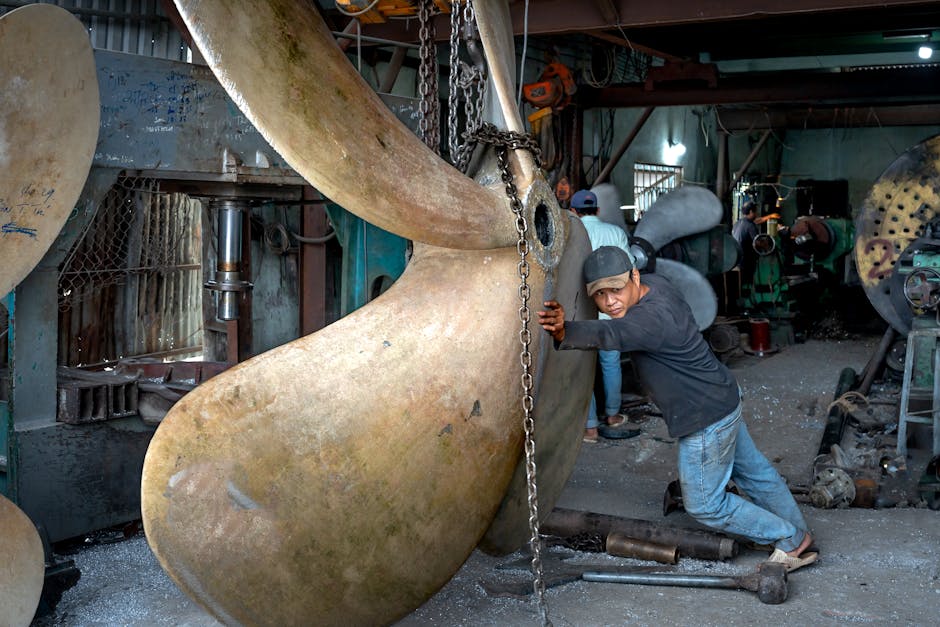
- Fincantieri (regional sites): While headquartered nationally, Fincantieri collaborates with local workshops on subcontracted work. Contact via regional offices, usually by appointment.
- Cooperativa Cantieri Trieste (Ufficio Commerciale, Molo VII, 34123 Trieste TS): A local company handling small builds and maintenance, known for artisanal quality.
- Officine Meccaniche Marittime (Via dei Cantieri, 12, 34121 Trieste TS): Workshop specializing in propulsion systems and marine pumps.
Note: Company names and addresses can change; it’s best to call before you go. Most offices welcome professional visits by appointment (phone or email).
Innovations and sustainable projects
Trieste is moving towards eco‑friendly technologies: ecological anti‑fouling coatings, drydock water treatment systems, performance sensors to cut fuel consumption and hybrid marine propulsion projects. Several local startups partner with universities to test prototypes and composite materials in small test basins.
Concrete examples:
- Pilot testing of low‑VOC hull coatings for yachts in dedicated drydocks — a municipality‑funded program.
- Integration of real‑time monitoring systems (IoT) to optimize predictive maintenance — services starting at €1,200/year for small fleets.
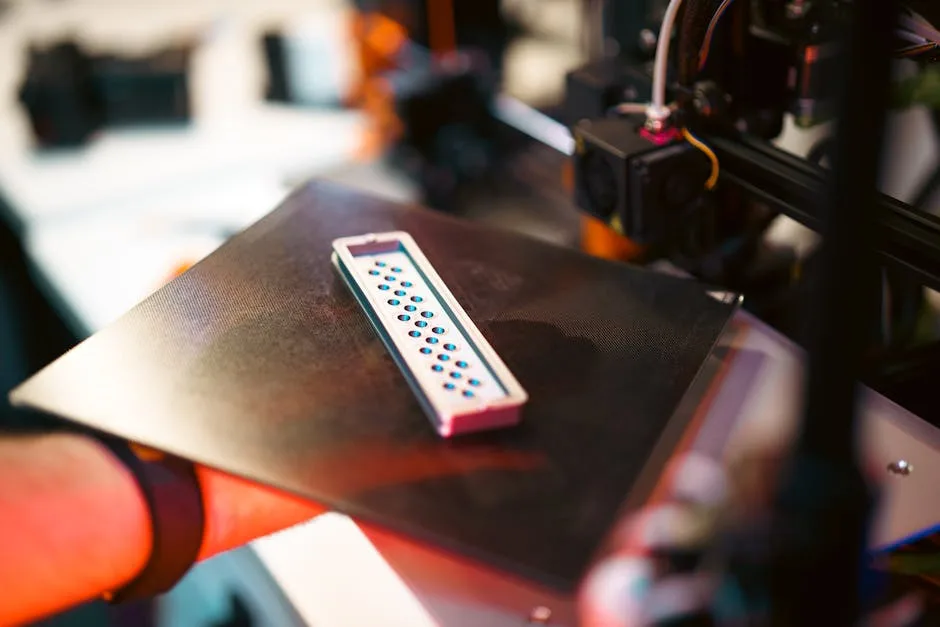
- 3D printing workshops for spare marine parts — two‑day courses priced €150–€300 per participant.
Training centers and learning opportunities
To preserve traditional skills and develop technical expertise, Trieste hosts specialized institutes and schools:
- Istituto Tecnico Nautico ‘G. Oberdan’ di Trieste (Piazza Vittorio Veneto, 5, 34121 Trieste TS)
- Centro di Formazione Professionale Cantieristica (Via del Lavoro, 8, 34123 Trieste TS)
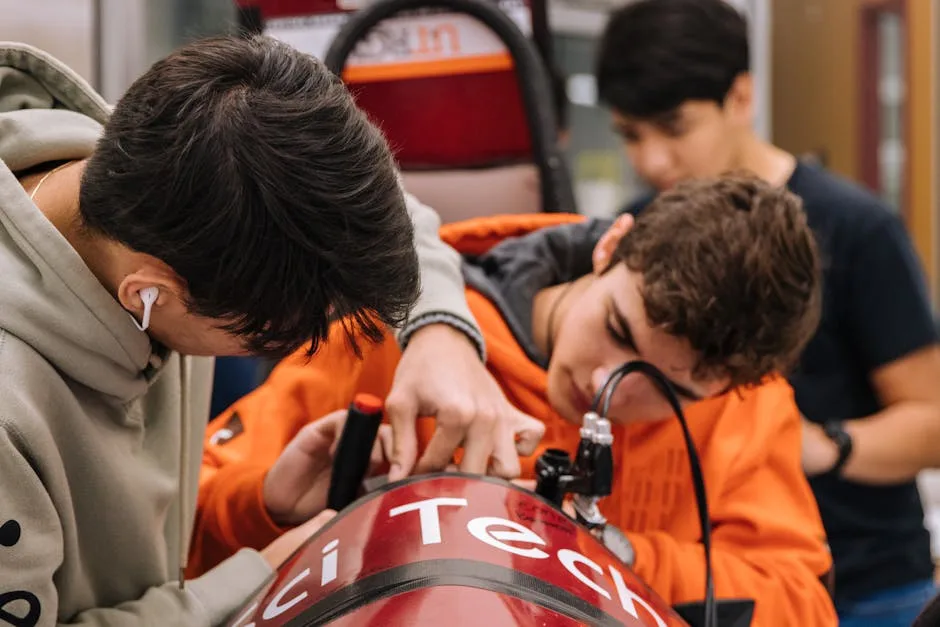
These institutions offer courses in naval architecture, metalwork, marine electrics and certified welding. Many programs include mandatory internships in local shipyards, with grants and support for outstanding students. Short certificate courses (6–12 weeks) typically cost between €600 and €1,200 depending on the specialty.
4. Practical tips, itineraries and extra addresses to round out your visit
Planning a visit to Trieste’s shipyards takes organisation and adherence to safety rules. Here are practical tips, suggested routes and useful addresses — cafés, info points and places to stay — to plan a maritime‑focused day or longer stay.
Suggested one‑day itinerary
Morning:
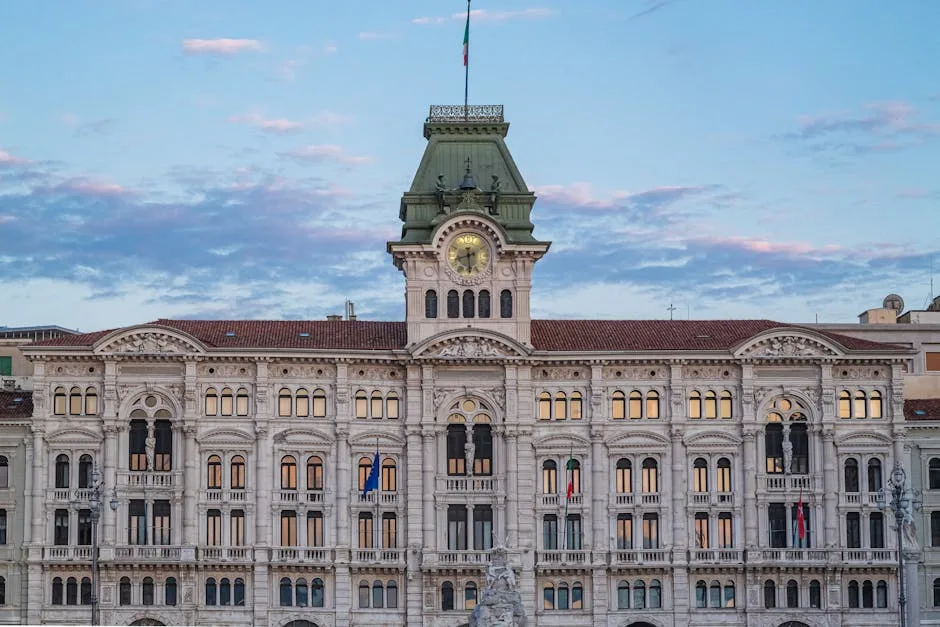
- 08:30 – Coffee and breakfast at Caffè degli Specchi, Piazza Unità d’Italia, 4, 34121 Trieste TS. Prices: espresso €1.20, cornetto €2.20.
- 09:30 – Guided visit to the Museo Storico Navale di Trieste, Via Capitelli, 3 (see opening hours above).
Midday:
- 12:30 – Lunch at Ristorante Alla Baracca, Via Carducci, 17, 34121 Trieste TS. Seafood specialties and dishes for port workers. Main courses €12–€18.
Afternoon:
- 14:30 – Exterior tour of Molo VII / Porto Vecchio and observation from Molo Audace.
- 16:00 – Workshop visit in Muggia or participation in a shipyard guided tour (advance booking required).
Transport and access
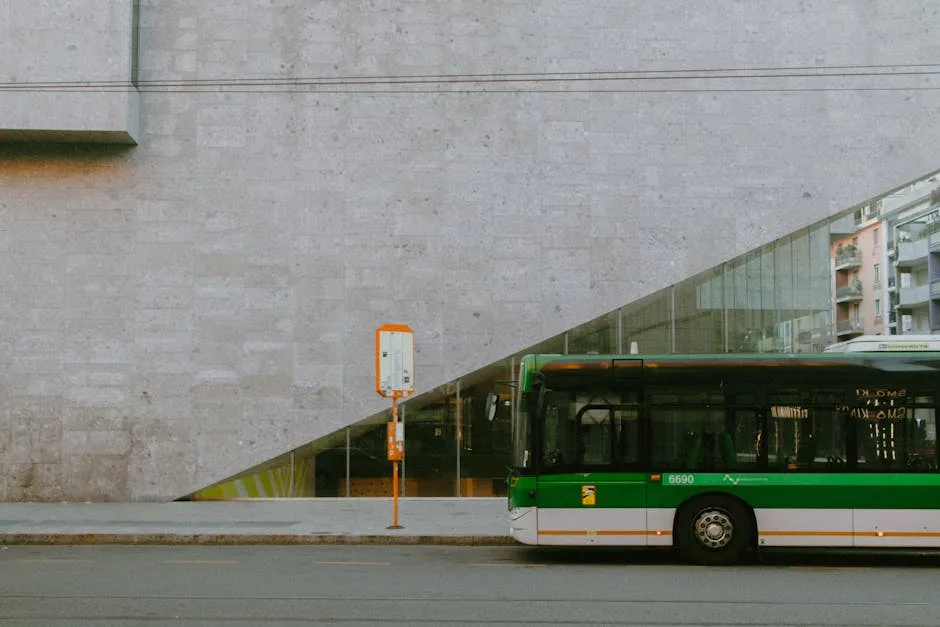
Trieste is served by the local bus network Trieste Trasporti. For the shipyard areas:
- City buses #2 and #6 serve areas near Porto Vecchio (stops « Porto Vecchio » or « Molo Audace »). Fare: €1.30 per ride (single ticket, valid 75 minutes). Tickets available at tobacco shops, machines and via the ITS Mobility app.
- Taxis: Main rank at Piazza Unità d’Italia. Approximate fare to Molo VII: €8–€15 depending on traffic.
- Bike‑sharing: available near the central station and the waterfront. Daily rates: €8–€12.
Useful addresses and contacts
- Ufficio Turismo Trieste – Piazza Unità d’Italia, 4, 34121 Trieste TS. Hours: 09:00–19:00. Phone: +39 040 369 477.
- Museo Storico Navale di Trieste – Via Capitelli, 3, 34121 Trieste TS. Phone: +39 040 328 111.
- Port Authority of Trieste (Autorità di Sistema Portuale) – Via dei Pescatori, 1, 34123 Trieste TS. Phone: +39 040 318 1111.
Local tips: Bring photo ID for access to certain sites, arrive 15–30 minutes early for check‑in, and wear closed‑toe shoes. Avoid visiting on busy maritime festival days if you want access to technical workshops.
Where to stay
To be well located:
- Hotel Savoia Excelsior Palace – Riva del Mandracchio, 4, 34124 Trieste TS. Indicative rate: €120–€220 per night depending on season. A 10–15 minute walk from the waterfront and close to port offices.
- B&B Nautilus Trieste – Via del Porto, 3, 34123 Trieste TS. Rates: €60–€90 per night.
Conclusion
The Trieste shipyard is far more than an industrial complex: it’s a place where maritime memory meets technological innovation. Between historic drydocks, artisanal workshops and research hubs, Trieste offers a full spectrum of experiences for lovers of industry, history and naval architecture. With good planning you’ll be able to observe time‑tested techniques — like ship carpentry and caulking — alongside modern applications such as 3D printing for marine parts and IoT monitoring systems for predictive maintenance.
Prioritize advance booking for technical visits and respect safety rules: mandatory gear, professional supervision and restricted access apply. Use public viewpoints like Molo Audace and Miramare Castle park for dramatic perspectives, and add a visit to the Museo Storico Navale di Trieste to place the industrial activity in its historical context. The Muggia yards offer a more intimate, craft‑focused experience — perfect for anyone wanting to understand traditional trades.
Don’t forget to explore the city itself: Trieste is rich in historic cafés (like Caffè degli Specchi), grand squares (Piazza Unità d’Italia) and seafood restaurants where you can relax after a day by the docks. Visitor infrastructure (transport, accommodation and tourist offices) is well organised, making it easy to plan both professional and leisure visits.
In short, the Trieste shipyard is a must‑see for anyone interested in the sea, industry and European history. Whether you’re a professional, a student or a curious traveler, you’ll leave with a deeper understanding of how a modern port operates and how age‑old skills evolve to meet today’s challenges. For any visit, contact the listed sites in advance, double‑check opening hours and book your slot to ensure a complete, rewarding and safe experience.