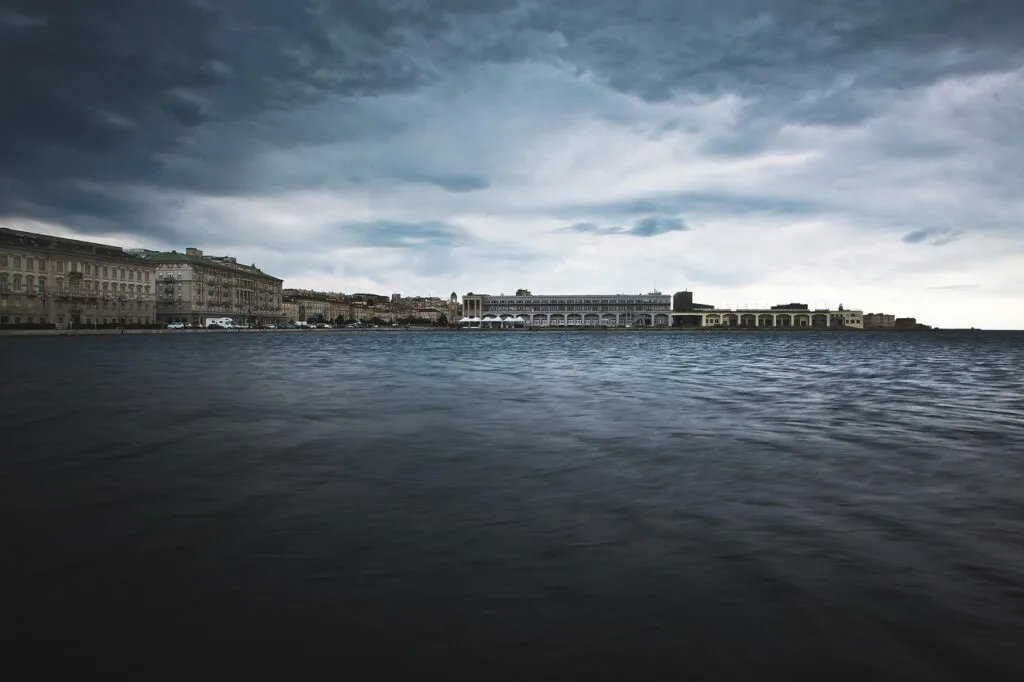






Introduction: Miramare offbeat — why seek out the estate’s hidden corners and bay views
Miramare is often the postcard image of Trieste: the Castello di Miramare sitting on the shoreline, lush gardens and the Adriatic stretching below. Yet beyond the standard photos and tourist routes, the Miramare grounds hide a sequence of secret angles, scented nooks, unexpected viewpoints and tiny marine scenes that reward the observant walker. This article is aimed at the curious visitor — whether you love architecture, history, plants or simply want an extraordinary view — guiding you through the estate’s hidden corners, narrow paths, discreet coves and panoramas over the Bay of Trieste.
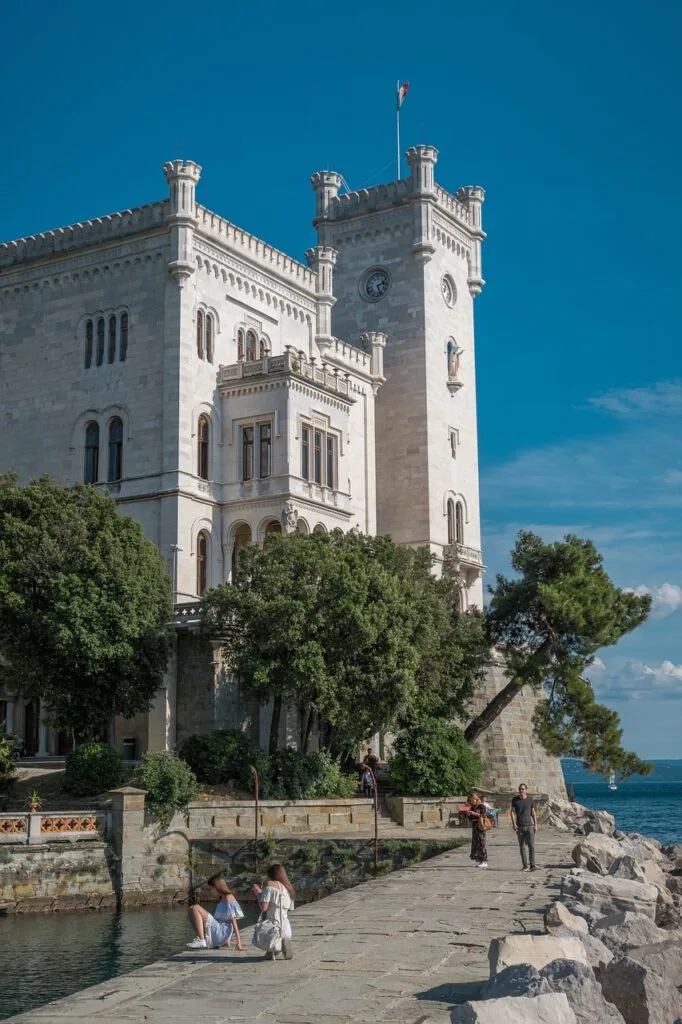
The Castello di Miramare (Castello di Miramare – Museo Storico) and its park (Parco del Castello di Miramare) can be seen in a few hours if you only skim the surface. But if you want to go deeper, allow time. Note the castle’s blend of neo-Gothic and romantic styles, but also pause on the stone benches, in the yew and laurel groves, and on the small headlands that face the sea, where the wind sculpts the maritime pines and reveals surprising perspectives on the Bay of Trieste.
This general guide, written in an informative, professional tone, gives practical details (exact addresses, opening hours, prices in euros), immersive descriptions of the places, and local tips to catch the most photogenic and peaceful moments on the grounds. We’ll also point out water sources, picnic-friendly nooks, shaded passages for summer and shelters from the bora in winter. If you enjoy watching the sea at dawn, hunting architectural details or losing yourself in a Victorian garden, this guide will help you build your own Miramare itinerary.
We’ll focus on precise spots: the castle’s north façade, the small cove of the Riva Bianca, the seldom-visited western belvedere, the porticciolo of Miramare and the marine reserve just below. Each section includes exact addresses (Viale Miramare, 34151 Trieste), practical hours (seasonal) and indicative prices in euros so you can plan without surprises. Finally, for photographers and lovers of seaside compositions, we’ve scattered visual cues 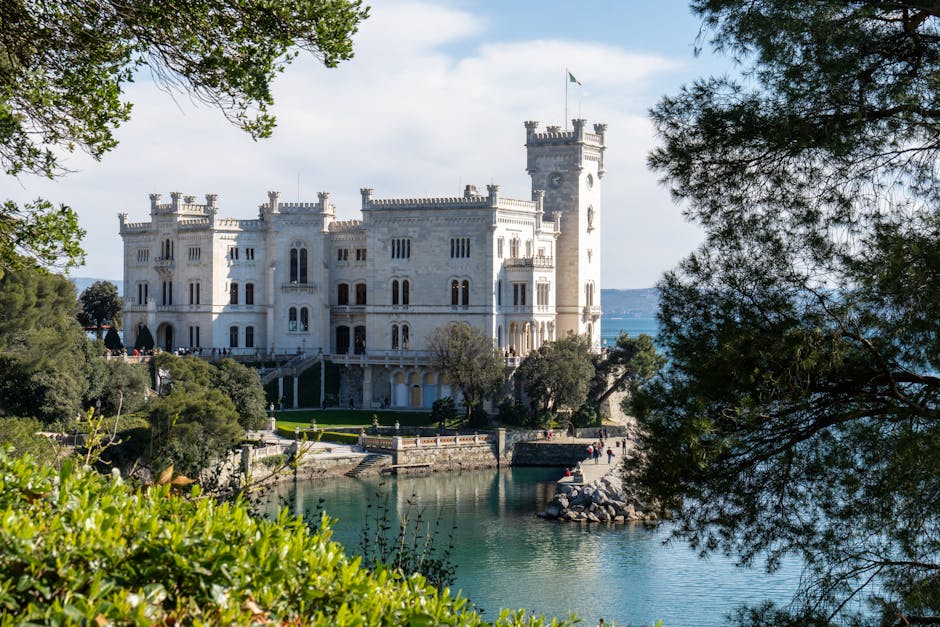 to inspire your framing and help you spot the best compositions.
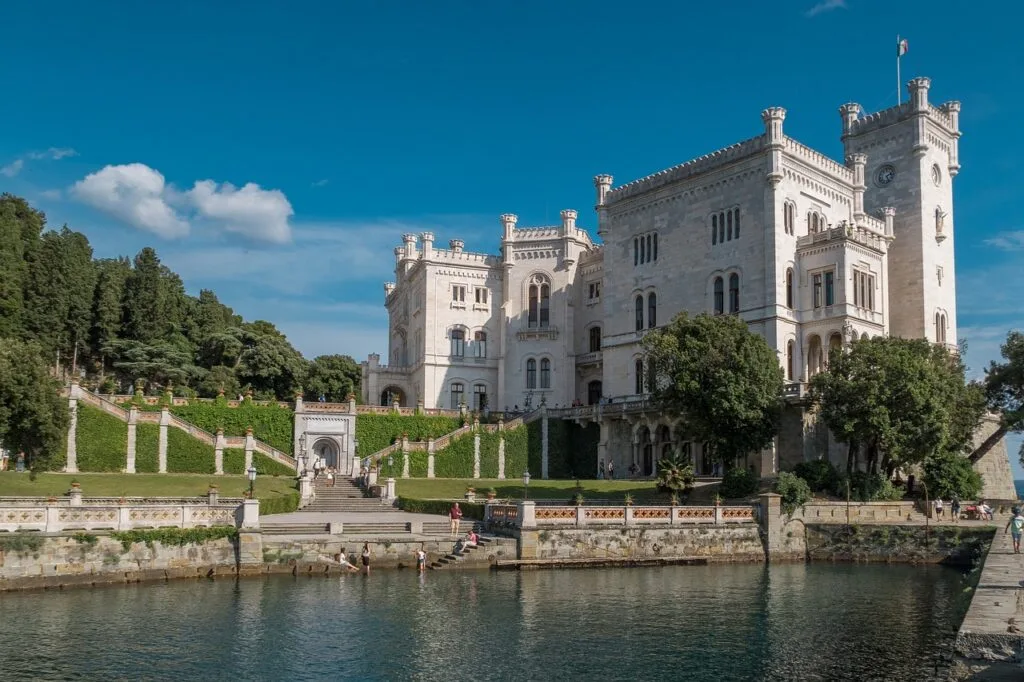
The Castello di Miramare and its secret nooks (an in-depth visit)
The Castello di Miramare (Castello di Miramare – Museo Storico) is the estate’s epicenter. Address: Viale Miramare, 34151 Trieste TS, Italia. The gardens around the castle cover roughly 22 hectares and are an intriguing mix of manicured beds, wilder copses and coastal walkways. It’s tempting to stick to the main circuit, but to feel the magic step off the beaten path: look for the small stone steps that lead to the park’s lower terraces, explore hedges that hide mini-clearings and follow the coastal edges toward promontories where bay views unfold, changing with every step.
Opening hours (general guidance): April 1–October 31: 09:00–19:00 (last entry 18:00); November 1–March 31: 09:00–17:00 (last entry 16:00). Hours may vary during special events — check the official website before you go. Ticket prices for the Museo Storico (indicative): full price €10.00; reduced €6.00 (students, seniors and groups); free for children under 6. Access to the Parco del Castello di Miramare is generally free, but some protected areas (educational paths) may require a fee or a guided visit.
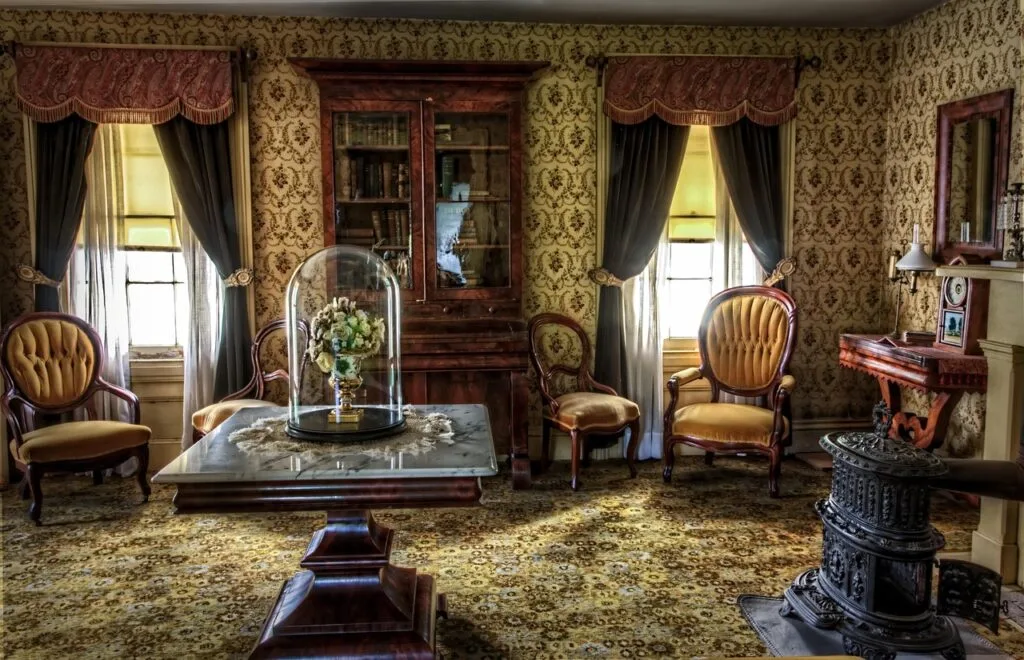
Inside, the museum recreates the period furnishings and the personal world of Archduke Ferdinand Maximilian of Habsburg. For hidden corners, look out for the side loggias and secondary windows: they open onto rarely photographed frames where the castle’s white stone contrasts beautifully with the dark green of the pines. Also don’t miss the rocky fringe below the eastern garden — a discreet staircase descends to a platform where the sea pounds the rocks; it’s an exceptional spot to listen to the surf away from the crowds.
Local tips: arrive early (between 09:00 and 10:30) to enjoy long shadows and avoid tourist buses. Bring a pair of closed shoes for steep trails and expect a light coastal breeze — a thin windbreaker is often enough. For photographers, morning light favors the west façade while late afternoon lends a warm tone to the stones and roofs.
Little-known belvederes and viewpoints over the Bay of Trieste
The Bay of Trieste reveals itself in layers: from the park’s headlands, from small coves and from the porticciolo. Some belvederes are clearly marked, but others aren’t: look for discreet cast-iron plaques, follow lines of stacked stones that form tiny improvised viewpoints, and explore paths that run along the coast. One of the best-kept secrets is a small promontory west of the park, reachable via a narrow trail near the Riva Bianca: from this spot you can see the castle, the coastal line toward Grignano and, on clear days, the outline of the Croatian mountains on the horizon.
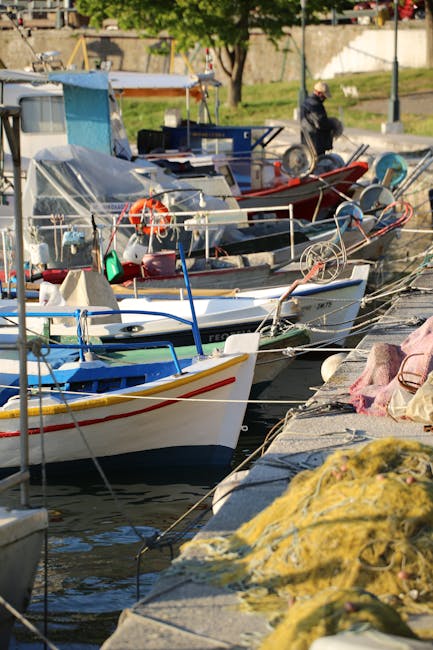
Another viewpoint not to miss is the north terrace near the porticciolo: it offers a steep angle on the little colourful boats and turquoise waters. Porticciolo address: Porticciolo di Miramare, Viale Miramare, 34151 Trieste TS. The quays are free to access and make an excellent spot to watch local maritime life at sunrise and sunset. Local fishermen moor their boats here; it’s common to see families gathering shells and teenagers diving from the rocks into sheltered coves.
Hours and practicalities: access to belvederes and quays is usually open 24/7, but avoid venturing alone at night on the cliffs. For photography, the golden hour (about an hour before sunset) is particularly flattering. Areas exposed to the bora, the local strong wind, can be chilling and unpredictable: check the weather (local sites or apps) before planning sea activities or trips on the rocky zones.
Local tips: bring a small blanket if you plan to watch the sunset; most viewpoints don’t have formal seating. Binoculars or a long telephoto lens will help you observe seabirds and ferry traffic offshore. Respect signs marking the marine reserve (Riserva Marina di Miramare): fishing and collecting shells are regulated there.
The coves and wild coastline: Riva Bianca, Grignano and the hidden stairways
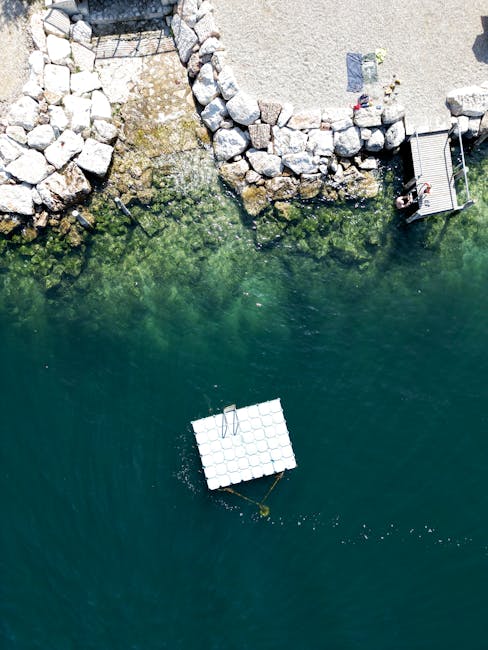
The coastline between Miramare and Grignano is dotted with small coves where you can almost be alone. The Riva Bianca, literally the “white shore,” is a stretch of polished rocks and small swimming platforms sheltered by pines. Main address: Viale Miramare, 34151 Trieste TS (Riva Bianca section). It’s very photogenic, especially early in the morning when the sea is calm and the light reveals the limestone’s hues.
Baia di Grignano (Baia di Grignano) lies west of Miramare and has the charm of a small coastal village: little houses, private quays and pebble beaches. Approximate main access: Via di Grignano, 34151 Trieste TS. Many small steps and paths link the Miramare grounds to these coves, and some stairways are so little used they feel like they belong to another era. These routes offer successive framed views of the bay, perfect for vertical photo compositions.
Activities and safety: swimming is possible in many coves, but watch for rocky seabeds and localized currents. Bring water shoes if you plan to walk on the rocks, and avoid areas banned for swimming indicated by signs. For snorkelers, zones near the porticciolo and the marine reserve are often rich in marine life; however, removing flora or fauna is strictly forbidden and may be fined. Nautical activity price indicators: kayak/stand-up paddle rental for a half-day ≈ €20–35; guided coastal boat trip ≈ €15–25 per person.
Local tips: take the coastal path late in the day to avoid the sun and enjoy the evening breeze. If you want a wind-sheltered spot, look for small rock inlets away from exposed shorelines; maritime pines create pockets of calm there. Lastly, respect private residences in Grignano: public paths are clearly marked but some private properties are visible from the shore — don’t trespass onto fenced land.
The marine reserve and wildlife watching: small treasures beneath the surface
Under the surface, Miramare hosts a marine reserve (Riserva Marina di Miramare) protecting a varied coastal habitat — Posidonia seagrass beds, rocky zones and benthic fauna. The reserve’s administrative address is often coordinated from the Castello di Miramare and the Parco del Castello di Miramare (Viale Miramare, 34151 Trieste TS); coastal trails and quays are useful observation points. Even though the reserve formally protects areas where boat access can be restricted, you can still admire its richness from the shore or on organized boat trips.
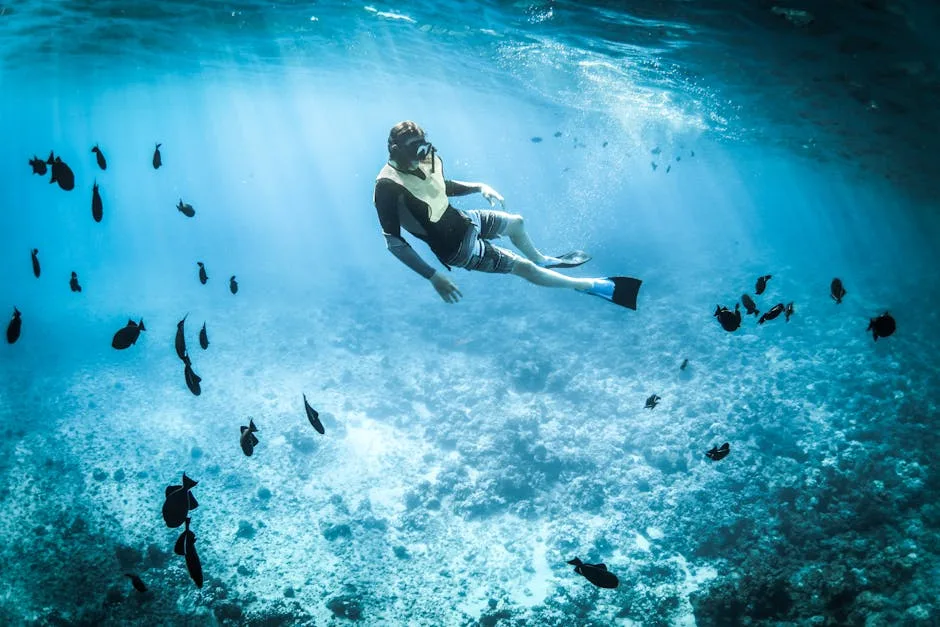
What you might see: depending on the season you’ll spot gobies, salema, octopus and, more rarely, juvenile groupers. Posidonia oceanica meadows appear as greenish carpets on the seabed and are crucial to local biodiversity. If you plan to snorkel, favor calm waters from May to September and check recommended routes so you don’t disturb sensitive zones.
Excursions and indicative rates: several local operators run small-boat or kayak outings from Porticciolo di Miramare. Indicative prices: commented boat tour (45–60 minutes) ≈ €15–20 per adult; guided snorkeling trip (2–3 hours, equipment included) ≈ €30–45 per person. Trips are usually offered from May to September; book ahead in high season.
Tips for wildlife watching: bring a quality snorkel mask, water shoes and biodegradable sunscreen to minimize your impact on marine life. Use binoculars to watch seabirds from the belvederes. Above all, follow signs and zonings: the Reserve can impose restrictions on boat mooring and fishing, and local patrols enforce the rules.
Practical addresses, local food and tips for a seamless visit
To make the most of the estate, it helps to know nearby services and shops. Central address: Castello di Miramare – Museo Storico, Viale Miramare, 34151 Trieste TS. Main parking: Parcheggio Miramare (Viale Miramare) — indicative rate ≈ €3.00 / hour; some free parking areas exist nearby but can be limited in high season. Transport: several municipal buses serve the site from central Trieste; check ATC Trieste for lines and fares.
Food: for a quick lunch, Gelateria e Bar Miramare (approximate address: Viale Miramare, near the main entrance) offers artisanal gelato from about €2.50 a scoop and panini from €4.00–8.00. For a sit-down meal, Ristorante La Terrazza al Castello (address: Viale Miramare, 34151 Trieste) serves fresh fish dishes and local specialties (antipasti, risotto alla pescatora): mains ≈ €12–22, tasting menu ≈ €30–45 per person depending on season. Weekends are best with a reservation.
Practical tips: bring water (drinking fountains are spread out) and a snack; stairs and routes can be demanding if you’re hunting hidden spots. Pack a windproof jacket even in summer: sea breezes and the bora can change temperatures quickly. If you’re on a cultural visit, allow 1.5–2 hours for the museum and 2–3 hours for a thorough exploration of gardens and the coast. For a full day including Grignano and a boat trip, plan 5–7 hours.
Services and accessibility: the castle has areas accessible to visitors with reduced mobility, but parts of the park and coastal trails are steep and not wheelchair-friendly. Ask at the museum desk about assistance and accessible routes. Finally, for photographers wanting to visually camp the place, follow drone regulations — unauthorized flights over the marine reserve and the castle may be prohibited and penalized.
Conclusion: rediscovering Miramare, between intimacy and marine panoramas
Miramare is more than a castle to photograph; it’s a landscape to walk and to read in detail. By exploring the estate’s hidden corners — discreet stairways, little-visited belvederes, rocky coves and the marine reserve — you turn a classic visit into an immersive experience, both natural and cultural. The addresses and practical information provided here (Castello di Miramare, Viale Miramare, 34151 Trieste TS; the porticciolo and nearby bays) let you plan stops and enjoy the best light, quiet moments and marine activities.
Remember that Miramare’s richness comes from its variety: tidy gardens, wild coasts, historic heritage and an underwater reserve. Respect the environment — leave no trace — and take time to listen: the lap of the sea, the cry of the gulls and the rustle of the pines give this place its own rhythm. Time your visit: for views, prioritize early morning and late afternoon; for snorkeling and marine life, choose calm days without strong tramontane wind.
Finally, for a truly successful visit, combine several experiences: an in-depth exploration of the castle and its historic rooms, a walk along little-known belvederes, a pause in a Riva Bianca cove and, if possible, a short boat trip to approach the marine reserve. The prices indicated (museum tickets ≈ €10.00 full / €6.00 reduced, boat trips ≈ €15–25, paddle rental ≈ €20–35) are practical benchmarks — check exact rates and hours before you go, as they can change with season and local events.
Miramare offers many emotions, from the meditative calm of a bench under a pine to the exhilaration of an endless marine panorama. Whether you’re a photographer, naturalist, history buff or casual walker, go with a local’s curiosity: explore side lanes, follow secondary trails, spot discreet signs and take the time to observe. You’ll leave not only with images, but with the feeling of having discovered a place that, despite its reputation, still surprises those who explore it with patience and attention.