





Introduction: Miramare at sunset, a visual invitation
On the Adriatic coast, a few kilometers west of Trieste’s historic center, there’s a place where history, architecture and nature meet to produce postcard-worthy sunsets: Castello di Miramare and its sprawling Parco di Miramare. This photo report aims to be an immersive exploration of these spaces as the light fades, revealing golden hues on the façades, coppery reflections on the sea and silhouettes carving the coastline. More than a simple tourist stop, it’s a sensory walk: the sound of the waves, the smell of salt mixed with maritime pines, the coolness that drops after a hot day, and the gradual reveal of the castle’s and gardens’ architectural details.
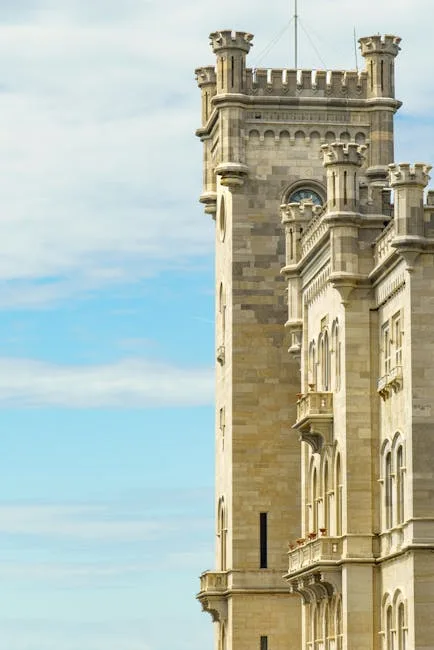
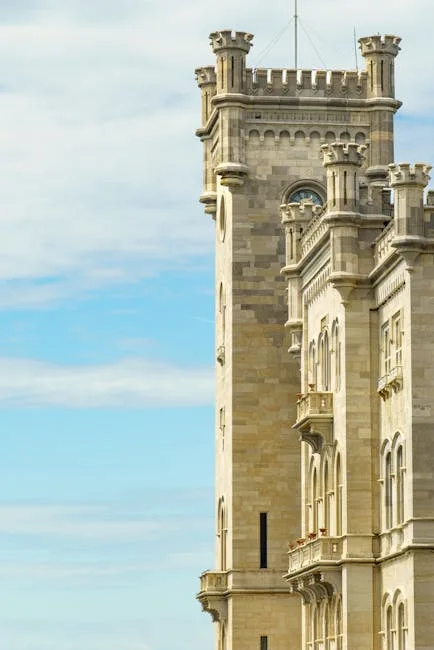
Castello di Miramare, built between 1856 and 1860 for Archduke Ferdinand Maximilian of Austria, sits like a romantic lookout over the sea. Its white stone balconies, turrets and large windows provide immediate and varied photographic compositions. At dusk, low-angle light emphasizes reliefs, deepens shadows and turns ornamentation into dramatic arabesques. The surrounding park, Parco di Miramare, is an English-inspired botanical garden where Mediterranean scrub mixes with exotic species planted in the 19th century: palms, magnolias, umbrella pines and cedars. The winding paths, rock gardens and lawns that slope down to the sea become perfect stages for portraits, wide panoramas and macro details.
This article is a practical guide for amateur and professional photographers, curious travelers and contemplative strollers. It gathers precise addresses, opening times, prices in euros, gear tips and recommended shooting angles. I’ll also share logistical tips — public transport, parking, the best hours to avoid crowds — and suggestions for extending the evening over an aperitivo or a typical Triestine dinner. Sunset at Miramare isn’t just a moment; it’s a photographic sequence made up of several acts: golden hour, the shift into the blue hour, and the sky’s final blaze before night.
Before diving into the mental image series and technical recommendations, remember that Adriatic weather can be unpredictable: partly cloudy skies often intensify sunset colors, while a calm sea multiplies reflections. Always bring a small tripod for the blue hour, graduated ND filters to handle very bright skies, and a waterproof cover if the wind picks up. Follow along for a complete photo report, hour by hour and spot by spot, to capture Miramare in all its twilight splendor.
Castello di Miramare at sunset: architecture, details and light
Castello di Miramare, official address Viale Miramare, 34151 Trieste TS, is the soul of the site. Perched by the water, it presents a carefully worked façade where pale limestone catches the evening’s golden light. Arriving one to two hours before sunset lets you photograph the architecture in warm light, then transition to the softer tones of the blue hour. The façades, balconies and sculpted motifs offer a wealth of details for tight framing: ironwork, rosettes, cornices and mullioned windows. Don’t hesitate to play with cast shadows to create graphic compositions.
Practical hours and prices (check the official site before visiting): Castello di Miramare is generally open daily; indicative hours: 9:00–19:00 (last entry 18:00) in high season and 9:00–17:00 off-season. Indicative prices: full adult fare around €9–12; reduced rates (students, seniors) €6–8; possible free entry for under-18s. Combined tickets for temporary exhibitions may be available. These details vary by season and special events, so always verify before you go.
Recommended shooting angles: the classic framing from the south terrace highlights the castle-sea relationship; a wide-angle lens will include both the shore and the Adriatic waters. For details, a 50–100mm lens is ideal. Try a low-angle shot to accentuate the towers’ verticality, or a horizontal composition in late afternoon to capture the long shadow the building casts across the park.
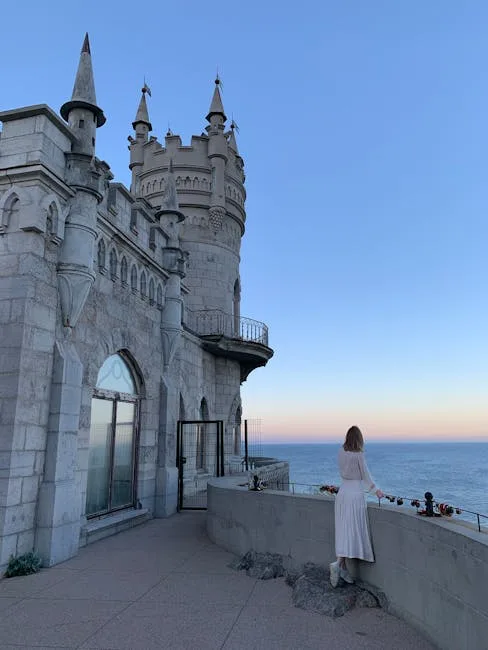
Gear tips: a sturdy tripod is essential for long exposures after sunset; use the self-timer or a remote to avoid shake. If you like silhouettes, expose for the sky and let the castle become a dark, graphic shape. For panoramas, bracket your exposures and stitch them in post (HDR) to preserve detail in both shadows and the blazing sky.
Immersive twilight experience: the castle’s richly furnished interior also offers fascinating light-play through large windows. Historical rooms — such as the Salone degli Specchi — take on a soft glow as the sun descends. Respect visiting rules (indoor photography can be restricted). After closing, the castle grounds remain accessible and lend themselves to melancholic images: the last rays embrace statues, benches and park paths while the sea turns into a muted mirror.
Parco di Miramare and coastal walks: natural compositions and historic gardens
Parco di Miramare spreads around the castle and terraces down to the sea, offering successive and contrasting perspectives. Main park address: Viale Miramare, 34151 Trieste TS (same entrance as the castle). Designed as an English landscape garden, it gathers local and exotic species introduced in the 19th century: magnolias, Aleppo pines, Chinese palms and cedars. The botanical variety creates textured beds, perfect for nature photos at sunset where side light sculpts foliage and creates luminous backlights.
Park opening times: the park is generally accessible daily from sunrise to sunset; some areas may be closed for events or maintenance. Entry to the park is free, but access to greenhouses or temporary exhibitions may require a ticket linked to the castle. For macro photographers, the hours just before sunset are ideal: long shadows reveal leaf and bark structure while the absence of harsh light preserves color.
Recommended walks: follow the main promenade that leads toward Baia di Grignano for viewpoints where the rocky coast frames the horizon. Coastal trails allow you to reach belvederes where you can photograph the castle, park and sea in a single frame. Benches and small clearings are perfect spots to set up a portrait or a moody session at dusk.
Wildlife and flora to watch for: seabirds and ducks frequent the park’s wetlands; in the evening you may spot herons and sometimes small birds of prey in flight. Respect their quiet: use a long lens (200–400mm) to approach without disturbing. Rare botanical specimens, like century-old magnolias, deserve soft-light treatment; a medium aperture (f/5.6–f/8) will give sharpness with a pleasant background bokeh.
Logistical tips: the park has public restrooms and historical information panels. Bring a bottle of water and warm clothing even in summer: the Adriatic breeze can cool down noticeably after sunset. If you plan a long session, pack a headlamp for the return on unlit paths and respect the closing hours posted at secondary entrances.
Viewpoints, shooting angles and time sequences: structure your report
A successful photo report organizes the visual story into sequences: arrival, golden hour, sunset, blue hour and post-sunset. At Miramare, think in “chapters”: the castle seen head-on, the coastline seen from the cliffs, architectural details, chiaroscuro portraits and marine panoramas. Here are viewpoints to target, with addresses and recommendations:
- Terrazza del Castello (Viale Miramare, 34151 Trieste): frontal panorama of the castle and the sea. Arrive 60–90 minutes before sunset to set up gear. Use a wide-angle (16–35mm) to include castle + sea.
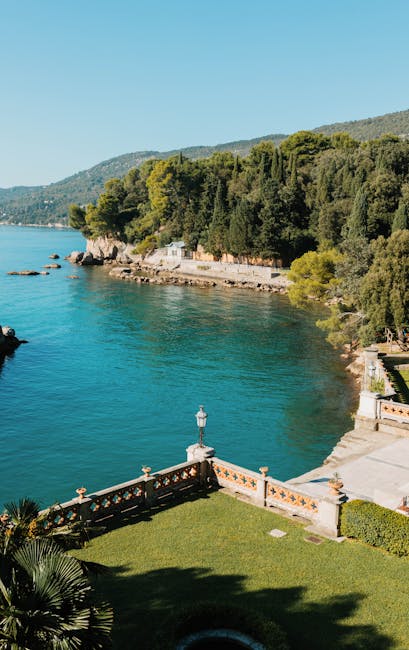
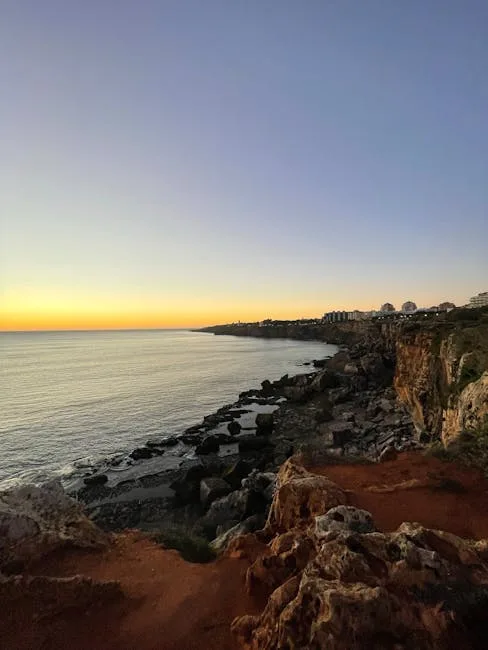
- Belvedere verso Grignano (Sentiero costiero, Parco di Miramare): rocky viewpoints toward Grignano bay. Ideal for silhouettes and waves.
- Allée dei pini (Viale dei Pini, inside Parco di Miramare): perspective compositions, repeating trunks at dusk. Perfect for portraits in low-angle light.
- Promenade mare Adriatico (coastal path near Viale Miramare): long reflections and horizontal compositions. A polarizing filter is recommended to manage glare.
Key times and sequences: golden hour starts roughly 45–60 minutes before sunset and delivers warm, directional light. The sunset itself is often short but spectacular; be ready to fire in bursts. Then comes the blue hour (about 20–40 minutes after sunset): it’s the time for silhouettes, the switch-on of artificial lights, and long exposures to smooth the sea. Finally, post-sunset, when the horizon holds a residual hue, yields pastel tones perfect for melancholic moods.
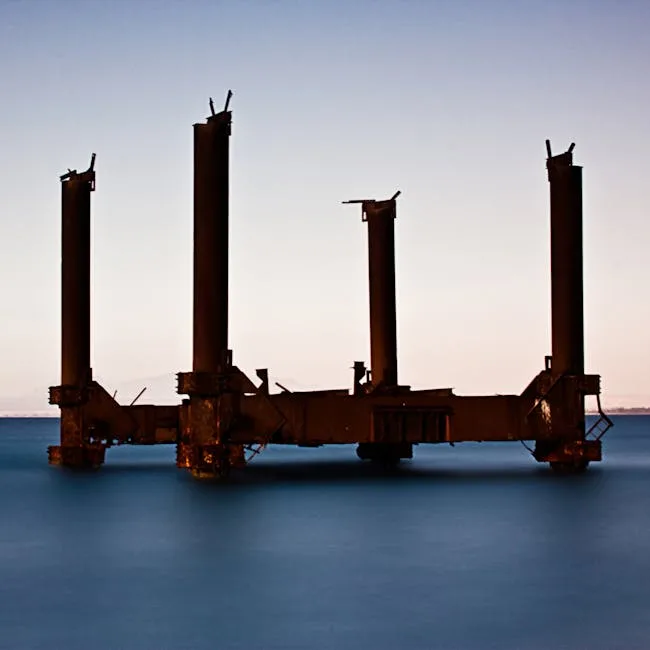
Recommended techniques: exposure bracketing for very high-contrast subjects, using a graduated ND filter to balance sky and ground, and stacking images for panoramas without distortion. For nighttime shots of the lit castle, choose multi-second exposures (2–10 s) and low ISO (100–200). Backlit portraits work well with a discreet fill flash or a reflector to lift the face while keeping the sky’s atmosphere.
Local practical tips: access, transport, dining and rules of conduct
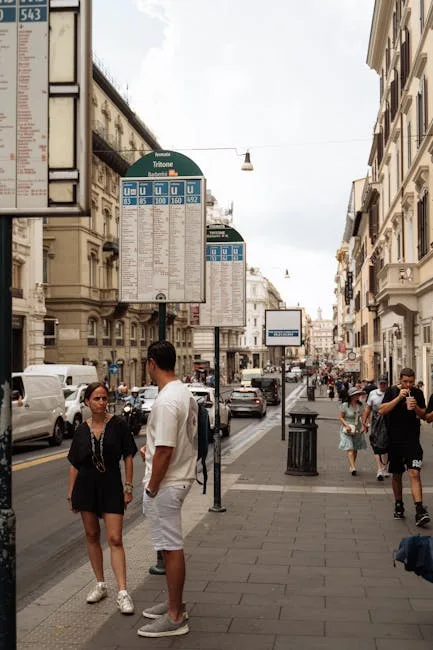
Access and transport: Miramare is easily reachable from Trieste’s center (Piazza Unità d’Italia, 34121 Trieste TS). Reference departure address: Piazza Unità d’Italia, 1, 34121 Trieste TS. From Trieste Centrale train station (Piazza della Libertà, 34132 Trieste TS), take the city bus: ACTV / Trieste Trasporti lines such as line 6 (direction Miramare) or line 36 depending on schedules, stop « Castello Miramare. » Journey time: about 15–25 minutes. Urban ticket price: around €1.50 (single ride; frequent inspections) — buy in advance at kiosks, machines or via the local app. Cycling from the center is possible but involves long climbs; it’s a pleasant option in spring and autumn.
Parking: several public car parks line Viale Miramare and adjacent areas. Indicative rates: €2–4 / hour depending on season and proximity; a parking spot near the main entrance may cost €6–10 for a half day. In summer, arrive early to find a close spot; in late afternoon spaces often free up as beachgoers leave.
Food and drinks: to extend your photo session after sunset, here are some convenient nearby spots:
- Ristorante Al Terrazzo (Viale Miramare, 6, 34151 Trieste TS): seafood-focused cuisine with sea views. Typical hours: 12:00–15:00 and 19:00–23:00. Average price: mains €12–25.
- Bar Ristorante Il Covo (Via della Palazzina, 34151 Trieste TS): quick options, coffee and aperitifs; approximate hours 8:00–22:00. Drink prices: coffee €1.20–1.50, aperitif €6–10.
- Gelateria al Molo (Lungomare, near Miramare): artisan ice cream for a sweet break after your session. Often open 11:00–22:00.
Rules and site respect: Castello di Miramare and Parco di Miramare are protected heritage areas. Follow signage: no drones without authorization (strict rules in urban and heritage zones), do not damage vegetation, and respect private or closed areas. For commercial photo shoots, request prior permission from the Soprintendenza or park managers. Finally, take your trash with you and minimize noise, especially at dusk when wildlife is most active.
Other practical tips: bring water, snacks and a windproof jacket. In autumn and winter, check the tide and sea conditions if you plan to go down on the rocks for low-angle shots; some passages can be slippery. Keep your gear close and secure; gates sometimes close early and you may need a short detour to return to the car park.
Conclusion: turning a Miramare sunset into a photographic story
Shooting a photo report at Miramare at sunset means embracing a progressive time-frame: Castello di Miramare’s architecture first reveals itself in warm light, then becomes a poetic silhouette, while Parco di Miramare offers plant details and perspective lines. The report is not just a series of isolated images but a visual narrative built around successive moods — golden hour, the turning point, the blue hour and nocturnal calm. Each phase demands different technical and aesthetic choices: composition, exposure, focal length, and how to handle the movement of sea and sky.
Practically, plan your visit by checking the official hours for Castello di Miramare (Viale Miramare, 34151 Trieste TS) and current ticket prices — expect about €9–12 for adult entry in high season, variable with exhibitions. Use public transport (buses 6 or 36 from Piazza Unità d’Italia or Trieste Centrale) to avoid parking hassles, or arrive early to secure a spot near the entrances. Be mindful of rules for commercial photography and drone use; get the necessary permits if your project requires them.
Beyond technical and logistical details, don’t forget the importance of attention and respect: for the environment, other visitors and the heritage site. Take home memories as images but also as sensory impressions — the distant cry of gulls, the evening coolness and the scent of maritime pine. These elements enrich the photographic narrative and give emotional depth to your shots. If you want to extend the experience, Trieste offers other notable sites (Piazza Unità d’Italia, Molo Audace, Castello di San Giusto) to complement your report, but none combine the intimacy of a historic park and the immediacy of a shoreline quite like Miramare.
Whether you’re a photographer hunting spectacular images or a curious walker chasing beautiful light, Miramare at sunset offers endless playgrounds: rich textures, contrasts, shifting colors and dramatic silhouettes. Take your time, respect the place, experiment with compositions and let the Adriatic sea become the co-author of your visual story.