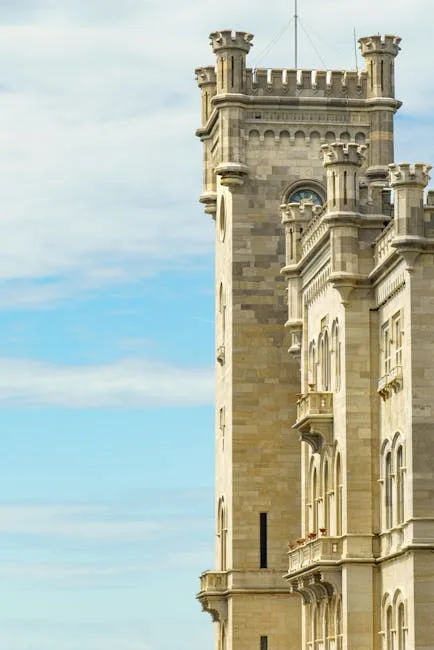






Introduction: Miramare Coastal Gardens — where botany meets the sea breeze
Perched on the edge of the Gulf of Trieste in northeastern Italy, the Castello di Miramare and its expansive parco offer a peaceful interlude where garden design and the salt-scented force of the Adriatic come together. The “Miramare coastal gardens” are more than just exotic plantings around a 19th‑century princely residence; they’re a living landscape where every path, stone balustrade and shrub tells the story of botanical alliances born of a taste for the exotic, a concern for the scenery and a desire for dialogue between people and the sea. Walking here you constantly feel the presence of water: the air tastes of salt, the light is crisper, the wind carves the silhouettes of pines and agaves, and the panorama unfolds in blues that shift with the hour and the weather.
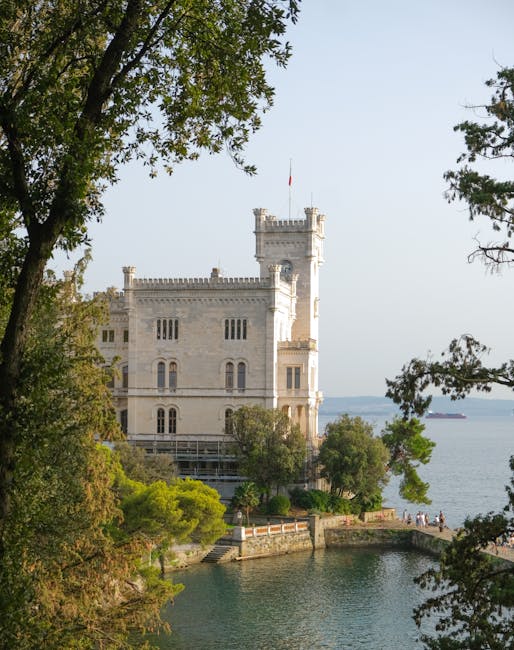
For the curious traveler in Trieste, the parco e il castello of Miramare offer a twofold visit — cultural and natural — where the romantic architecture of Castello di Miramare, built for Archduke Maximilian of Austria, blends into a garden designed to be both seen and lived in. Exotic plants introduced in the 19th century from around the globe have found a mild microclimate here, sheltered by the bay and limestone cliffs. That has allowed rare trees, palms, giant agaves and flowering shrubs to establish themselves and form today’s surprising vegetal palette beside the sea. The contrast of historic setting, structured avenues and wild thickets gives Miramare an atmosphere that’s at once domestic and untamed — ideal for photography, reflective walks or botanical observation.
Beyond its visual charm, Miramare’s coastal gardens are also a living laboratory for understanding interactions between Mediterranean and introduced species, the impact of sea winds on plant physiology and coastal landscaping techniques. Walkers can learn to recognize different salt- and wind-resistance strategies — low-growing habits, thick cuticles, narrow or curved leaves — that characterize littoral flora. You’ll also notice the importance of historic maintenance: pruning, drainage, protecting rare specimens and managing visitor impact.
Finally, Miramare is a perfect stop when exploring Trieste — a city of trade, literary cafés and seaward vistas. The gardens encourage you to slow down: sit on a bench facing the sea, watch boats glide by, listen to seagulls and breathe in the scents of Aleppo pine and oleander. In this article we offer a complete immersion — history, a botanical inventory, practical tips (addresses, hours, prices), routes and activity suggestions — so you can fully enjoy Miramare’s coastal gardens and their intimate relationship with the sea breeze.
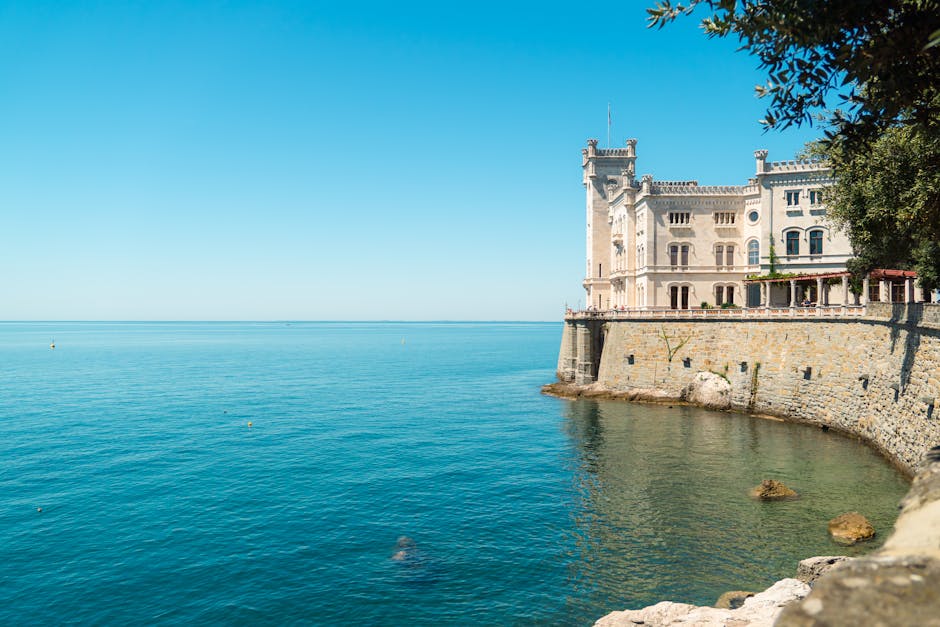
History and context: Castello di Miramare and the Parco del Castello
Castello di Miramare is the central anchor around which the coastal gardens are organized. Built between 1856 and 1860 for Archduke Maximilian of Habsburg-Lorraine and his wife Charlotte of Belgium, the castle sits at Viale Miramare, 34151 Trieste TS, Italy. With rich Neo‑Gothic and Neo‑Renaissance ornamentation, the building was conceived as an intimate residence turned toward the sea, with terraces and balconies opening on the gulf. From the start, the park was laid out to complement the building: curving paths, groves, artificial ponds and viewpoints were arranged to deliver varied plant tableaux at every turn.
The Parco del Castello di Miramare covers roughly 22 hectares and blends English-style landscaping with planted beds of exotic species imported in the 19th century. The designers aimed to recreate distant atmospheres: palm groves, pinewoods and artificial caves sit alongside water features and formal lawns. The park was also planned as a natural buffer against coastal erosion and to provide refreshing breezes during hot summer days.
Practical information for visiting the castle and park:
- Castello di Miramare address: Viale Miramare, 34151 Trieste TS, Italy.
- Castello di Miramare opening hours (approximate): generally open daily — April to September: 09:00–19:00; October to March: 09:00–17:00. Occasional closures for events or restoration works may occur.
- Admission price: a full visit of the castle/museum around €10 for adults; reduced rates for students, seniors and groups; free entry on certain days or for some EU residents under local cultural schemes. The park is usually accessible free of charge.
Note: hours and prices may vary with the season and the programming of temporary exhibitions. It’s recommended to check before your visit on the official Castello di Miramare site (managed by the Polo museale del Friuli Venezia Giulia or local authorities) or call the local information number. Entrance signs also provide information on paths, planting history and park rules (do not pick plants, keep dogs on leash, etc.).
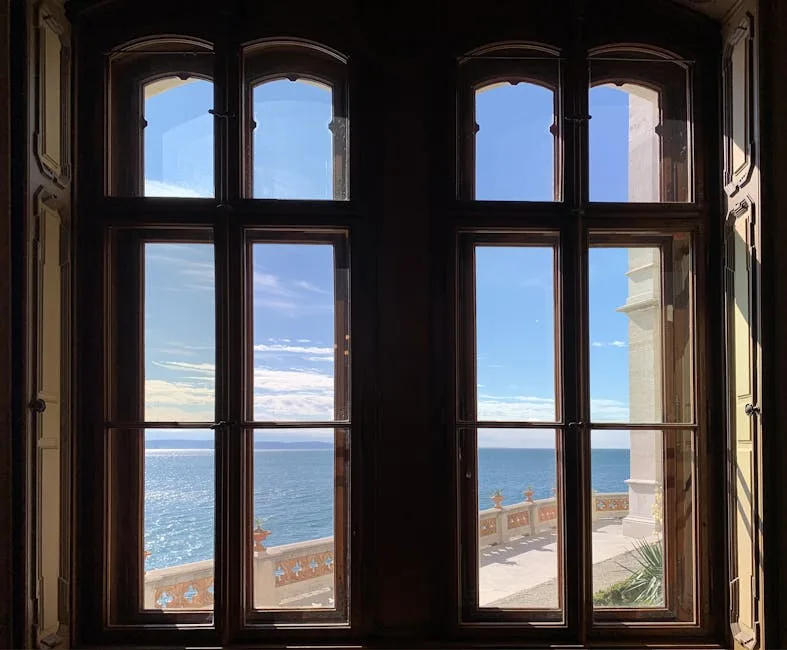
Botanical diversity: notable species and coastal plantings
Miramare’s park stands out for its botanical palette — a considered mix of Mediterranean natives and exotic introductions adapted to the coastal microclimate. Sea winds and limestone soils shaped the plant choices: you’ll find Aleppo pines (Pinus halepensis), umbrella pines (Pinus pinea), palms like Phoenix canariensis, giant agaves, oleanders (Nerium oleander) and euphorbias. These salt- and wind-tolerant species form beds that alternate with lawns and more shaded groves.
Some of the park’s most remarkable specimens include:
- The umbrella pine at the belvedere: a majestic tree framing views over the gulf and serving as a landmark for walkers.
- The agave beds: sculptural plant formations whose fleshy leaves retain water and contrast with the fine silhouettes of the pines.
- The Canary Island palms: planted to create a subtropical feel, they line paths near the castle and terraces.
- The oleander hedges: used in borders and beds, they add colorful summer blooms and scent the walks.
The park also includes wilder sections where low coastal vegetation grows on exposed cliffs and limestone outcrops. These coastal zones are important for local biodiversity: pollinating insects, seabirds and small reptiles find shelter there. You’ll see conservation and ecological management efforts: limited fertilizer use, selective pruning, leaving natural litter in some groves and signage that highlights protected species.
Tips for botanical observation:
- Bring a small guide to Mediterranean and exotic plants or use a plant identification app to help name species.
- Favor early morning or late afternoon for softer light and less wind exposure.
- Respect roped-off areas: some rare species are protected and may be sensitive to trampling.
- In summer, carry water, a hat and sunscreen — while the park has shaded pockets, exposed sections can be intense.
Practical visit: access, detailed hours, prices and local tips
Getting to Miramare’s coastal gardens from Trieste center is straightforward, but a few practical details will make your visit smoother and prevent surprises. Below is a complete guide to plan your day.
Getting there and transport
- By car: address: Viale Miramare, 34151 Trieste TS. There’s paid parking near the main entrance. Expect parking fees that vary (around €1–€2 per hour depending on season); have small change or a mobile payment method ready if available.
- By public transport: city bus number 6 (ATV Trieste) from Piazza Oberdan or Trieste Centrale station toward Miramare/Castello. Frequency: every 15–30 minutes depending on the season. Final stop: Miramare.
- By bike or on foot: for fit travelers, the coast is bikeable from the center (allow about 30–40 minutes) along the via della costa, offering scenic views.
- By boat: during the tourist season, boat trips depart from Trieste harbor and skirt the coast to Miramare — a picturesque way to arrive facing the castle.
Hours and admission
- Parco del Castello di Miramare: generally open year-round and free to enter, from sunrise to sunset (times vary by season). Some areas may be closed for maintenance.
- Castello di Miramare (museum): indicative hours: April–September 09:00–19:00; October–March 09:00–17:00. Closed on certain holidays. Occasionally there are evening openings or paid guided tours.
- Museum admission (indicative): adult about €10; discounts for students and seniors (~€5–€7); children often free or very reduced. Combined tickets with temporary exhibitions may cost more.
Local practical tips
- Arrive early to avoid tour groups and to catch soft morning light for photos.
- If you’re into botany, bring binoculars and a notebook — some corners of the park are great for spotting seabirds.
- Follow the signage: picking flowers or approaching fragile plants and cliffs is prohibited. Dogs are allowed on a leash in the park but may not be permitted inside the castle grounds.
- Carry some cash for cafés and small shops around the castle; they may accept cards, but in low season it’s safer to be prepared.
- In strong winds, secure loose items and be ready for gusts when you reach the viewpoints.
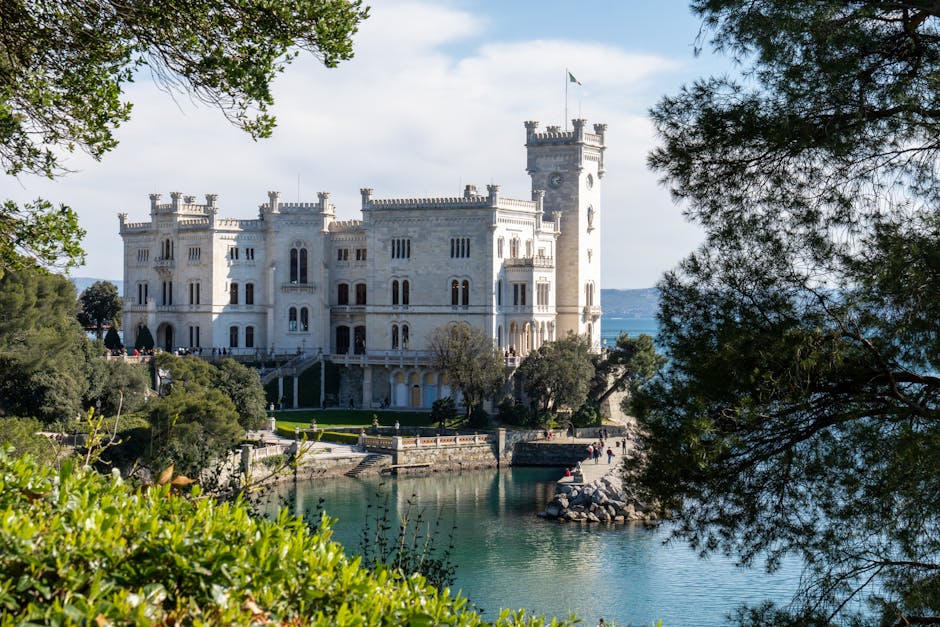
Activities, suggested routes and nearby discoveries
Miramare’s gardens are ideal for relaxed walks, photo sessions and themed visits. Here are several route ideas and activities to suit different paces.
Relaxed route (2 hours): start at the main entrance on Viale Miramare, follow the central avenue toward the castle, take time to admire the maritime façade of Castello di Miramare, then circle the building along the terraces to reach the viewpoints over the gulf. Continue your loop through agave beds and shaded groves, and finish on a bench by the sea for a picnic.
Botanical route (3 hours): pick up the park map (available at the entrance) and follow paths leading to sectors planted with exotic species. Look for informational panels showing scientific names, origins and ecological traits of the plants. Plan a stop at the small kiosk to consult guides and photograph notable specimens.
Guided activities and workshops: depending on the season, themed guided tours (history, botany, photography) are offered by local offices or naturalist associations in Trieste. Check with the Trieste tourist office or the castle reception for schedules and fees (guided tours are often an additional €5–€10).
Nearby discoveries:
- Grotta Gigante: the famous karst cavern is reachable by car from Miramare (about 20 minutes). Address: Via Romer, 67, 34010 Sgonico TS. Hours and prices vary; wear closed-toe shoes for the visit.
- Barcola: Trieste’s coastal promenade, perfect for a stroll after Miramare and accessible continuously along the waterfront.
- Trieste city center: about 10–15 minutes by car or 20–30 minutes by bus; enjoy historic cafés (Caffè San Marco, Caffè Tommaseo) after your botanical outing.
Food tip: cap off your visit with a seafood lunch at one of the coastal restaurants. For a simple, local option, look for trattorie near Viale Miramare serving fresh fish and Adriatic specialties. Check recent reviews and ask for the day’s catch — freshness matters.
Conservation, seasons and best times to visit
Preserving Miramare’s coastal gardens is an ongoing challenge: salt exposure, storms, tourist trampling and climate change require careful management. Local authorities and park services implement sustainable practices: path restoration, replacing degraded specimens with hardier varieties, planting windbreak hedges and running information campaigns to reduce visitor impact.
Best times to visit:
- Spring (April–June): ideal — mild temperatures, oleander and shrub blooms, and perfect light for photography. Fewer crowds than peak summer.
- Late summer and early autumn (September–October): still pleasant weather, warm sea and autumnal hues. Often the best time to avoid the summer crowds.
- Summer (July–August): very busy — arrive early to beat the heat and tourist influx. Evenings are pleasant for cooler walks.
- Winter: the park remains accessible and offers a special quiet; some species lose leaves and the castle may have reduced hours.
Seasonal precautions:
- In strong winds (the region’s typical bora), gusts can be severe: take shelter and avoid cliff edges.
- After heavy rains, some paths may be muddy or slippery: wear sturdy shoes.
- Exotic species can be vulnerable in exceptional frosts: park teams carry out temporary protections but replanting work is sometimes necessary.
Get involved in conservation: ask about volunteer programs or educational visits organized by the parco or the museum. Joining a themed guided tour or participating in a workshop is a direct way to support awareness and the protection of the site.
Conclusion: Why Miramare’s coastal gardens are worth a visit
Miramare’s coastal gardens are a place where history, botany and the sea converse in a refined balance. Between the terraces of Castello di Miramare and the viewpoints overlooking the Gulf of Trieste, every walk reads like a landscape lesson: the site tells of a European taste for the exotic, the gradual adaptation of plants to the coast and the fragility of an ecosystem shaped by marine forces. The park is both a learning resource for plant lovers and a calming space for visitors seeking a meditative pause by the sea.
Practically speaking, Miramare is accessible and well equipped: the clear address (Viale Miramare, 34151 Trieste TS) makes planning easy, castle hours and admission info help organize a visit (museum entry around €10, park free), and public transport links the site to Trieste center without a car. Local tips — arrive early, bring water, follow signage and join guided tours — will maximize comfort and your overall experience.
Finally, Miramare invites you to extend your exploration: the Barcola, Trieste’s historic cafés, Grotta Gigante or a boat trip make natural continuations to the visit. Whether you’re a photographer, amateur botanist, romantic stroller or simply curious, Miramare’s coastal gardens offer ever-changing scenes depending on season, light and sea. Their unique atmosphere — a blend of stone, greenery and foamy spray — leaves a lasting impression: the memory of a place where the sea breeze has sculpted tree forms and where the eye happily drifts toward the horizon.
In short: plan your visit, respect the site and take time to listen to the sea. Miramare isn’t just a destination to tick off a list — it’s a sensory and educational experience that enriches your discovery of Trieste and the Adriatic coast.