





Introduction: The Secrets of Castello di Miramare — Imperial Romance and Sea-Facing Vistas
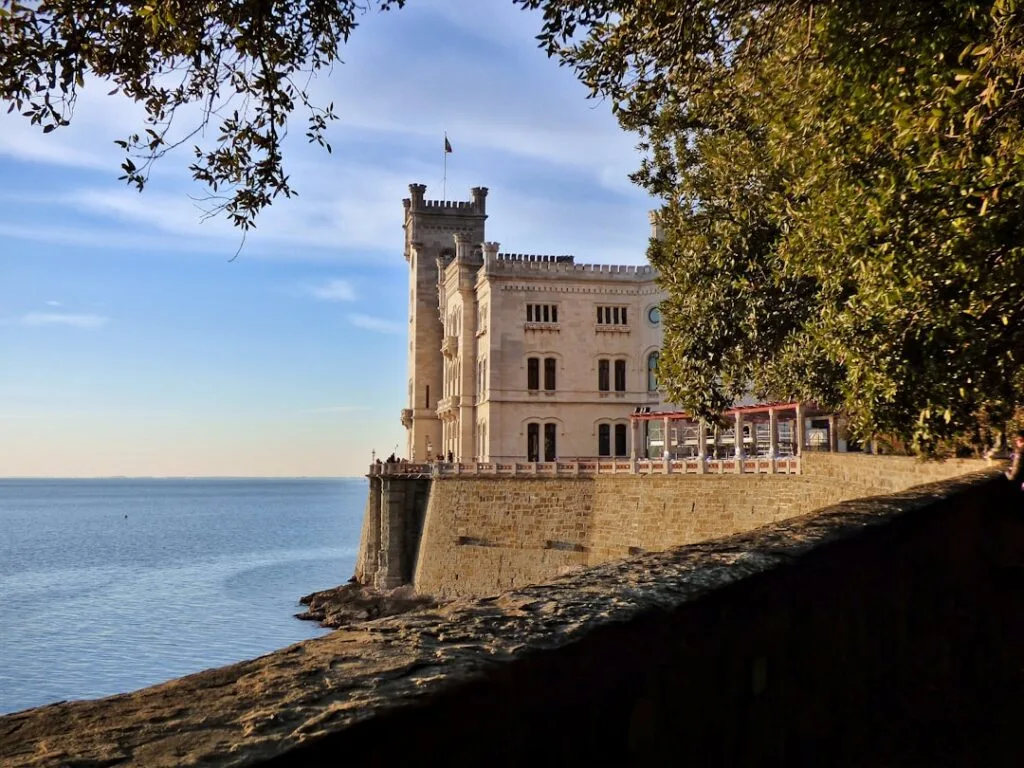
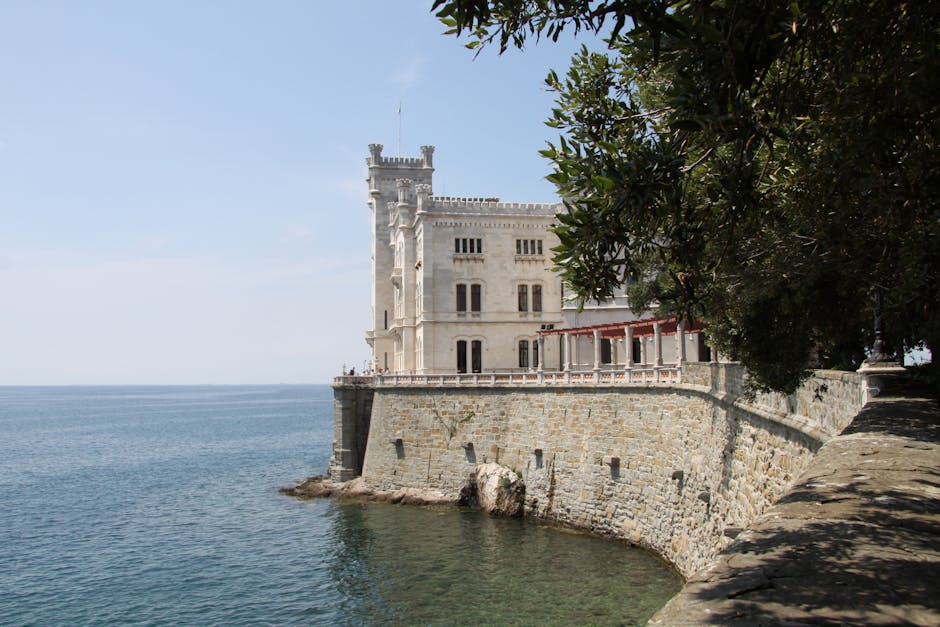
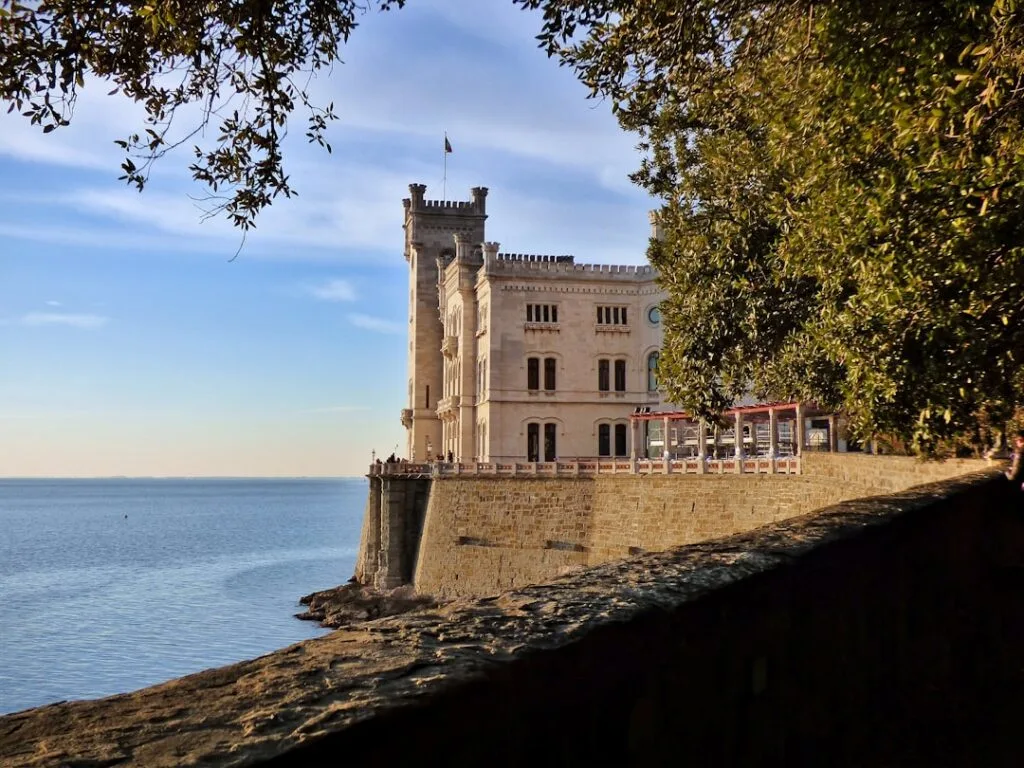
Perched on a rocky promontory overlooking the Gulf of Trieste, Castello di Miramare (Miramare Castle) is one of Italy’s most romantic and captivating residences. Built in the mid-19th century for Archduke Ferdinand Maximilian of Austria and his wife Charlotte of Belgium, the castle has retained an almost untouched charm: white façades, towers and turrets outlined against the sea, richly furnished interiors and an expansive botanical park terracing down toward the water. But Miramare is more than a postcard setting: it’s a place steeped in personal stories, political intrigue and shifting maritime moods that influenced Trieste and the broader region.
In this comprehensive guide, we’ll lift the veil on Miramare’s secrets: its romantic history, refined architecture, the museum-quality interiors and the sea panoramas revealed from its balconies and pathways. You’ll also find practical, up-to-date details — full addresses, opening hours by season, current prices in euros, public transport routes, photography tips for the best light of day and advice for enjoying the park and surrounding area. Whether you’re planning a day trip from Trieste, a romantic sunset escape, or you’re simply curious about the historic anecdotes, this guide will help you experience Miramare with insight and ease.
The castle and its grounds are places where intimate history meets the grand narrative of Europe: Maximilian, the future Emperor of Mexico; Charlotte, the tormented princess; imperial splendor and the everyday life of a high-society couple. Layered on top of this is the natural setting — Adriatic light, the bora winds, the Gulf of Trieste’s shifting colors — which makes every visit unique. You’ll learn how to stroll the shaded paths, where to find the best sea views, which pieces of furniture deserve special attention inside the castle, and how to combine the visit with other highlights in Trieste.
Finally, this piece is written to be useful on the ground: exact addresses (Castello di Miramare, Viale Miramare 30, 34151 Trieste TS, Italy), seasonal opening times, suggested prices and tips for access and parking. Throughout, you’ll find mental photo prompts to help plan your shots or pick images for a travel journal. Join me for a full immersion into the secrets of Miramare, where imperial history meets the vast blue of the Adriatic.
 Click here to book your ticket for the castle and audio guide
History of Castello di Miramare: From an Imperial Dream to Tragic Fates
Castello di Miramare was built between 1856 and 1860 for Archduke Ferdinand Maximilian of Austria (later Emperor of Mexico) and his wife Charlotte of Belgium, also known as Carlota. Commissioned to the Viennese architect Carl Junker, the castle was intended as the private residence of a couple seeking an elegant, intimate refuge on a site with sweeping views over the Adriatic Sea and the Gulf. The architecture is eclectic: neo-Gothic and neo-Renaissance influences combined with romantic, pictorial touches, all adapted to a very specific maritime and landscape context.
Maximilian and Charlotte occupied Miramare for only a few years before historical events dramatically altered their lives. In 1864 Maximilian accepted the crown of Mexico and was executed in 1867 after a tragic reign. Deeply affected, Charlotte lived the rest of her life in isolation and mental illness, while Miramare passed through various administrations and uses. Over time, the castle preserved many original objects and pieces of furniture, allowing today’s visitors to step into the couple’s atmosphere and daily life.
After World War I and the political upheavals in Europe, the castle underwent several transformations: it served as an official residence, a military hospital during conflicts, and eventually, after World War II, became a museum. The Museo Storico e Museo del Castello di Miramare now offers a carefully curated presentation, restoring reception rooms, private apartments and service areas in the spirit of the period. Collections include furniture, tapestries, portraits, letters and personal items that evoke the archduke and his wife’s daily life and intellectual interests.
Surviving the tides of time, Miramare has maintained a distinct aura: once a princely residence, a romantic retreat and a historical memory, it stands as a miniature chronicle of 19th and 20th century events. History buffs will find a place where the intimate and the political meet, the coastline and interior design intersect, and each object tells a story. The park and coastline complete the historical picture, reminding visitors that the sea was both stage and witness to the destinies played out at Miramare.
Architecture, Interiors and Noteworthy Rooms: A Journey into 19th-Century Luxury
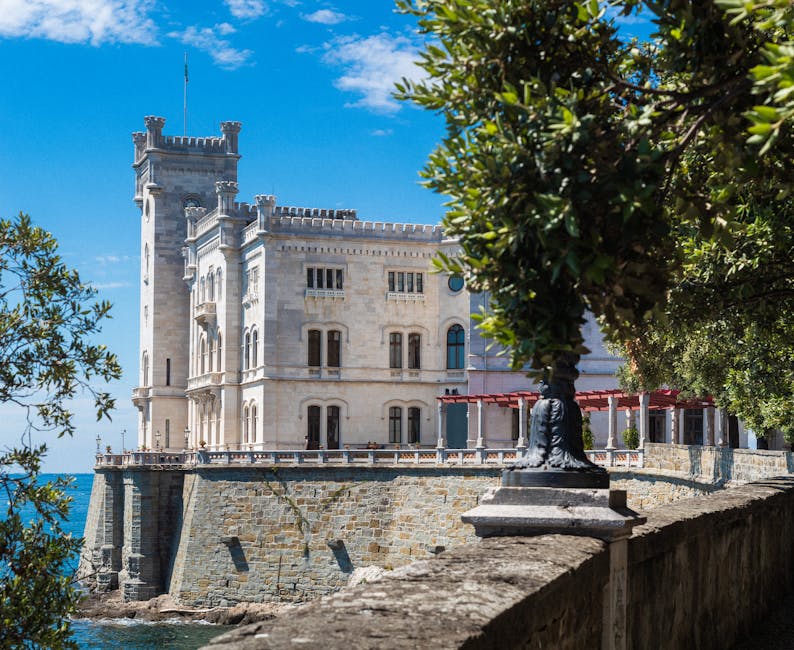
Castello di Miramare displays a harmonious combination of architectural elements that reflect Archduke Maximilian’s cosmopolitan tastes. The white façade, framed by balconies and turrets, is the first act — but it’s inside where refined exuberance is revealed. Reception rooms, salons and private apartments have been restored to showcase original furniture and décor. Rooms not to miss include the Sala delle Feste (Banquet Hall), the Salotto (drawing room), the Library and the Appartamenti Imperiali (Imperial Apartments).
The Sala delle Feste is notable for its ornate ceilings, mirrors and tapestries. You’ll feel the obsession with detail typical of European courts: carved woodwork, bronze lighting fixtures and heavy draperies. The Salotto offers a more intimate atmosphere, with period sofas and armchairs, marble tables and display cabinets holding porcelain and decorative objects. The Library reveals the residents’ intellectual curiosity: oak shelving, bound books and antique globes create a studious, refined atmosphere.
In the Appartamenti Imperiali, bedrooms and private rooms show the human side of the castle: family portraits, clothing, accessories and personal photos. Small details — ornate metal door handles, wallpaper patterns, embroidered curtains — narrate the daily life of an imperial couple. Some rooms retain original, little-altered elements, while others have undergone meticulous restoration to recover original colors and textures.
The castle also houses museum spaces, such as the Museo Storico e Museo del Castello di Miramare (Castello di Miramare – Museo Storico), where panels and display cases contextualize Maximilian’s political story and the castle’s uses. Curators have arranged the visitor route to offer a smooth narrative: from public, ceremonial spaces to more private corners, with explanations about furniture, fashion and personal items. An audio guide is frequently available (in multiple languages) to deepen your visit.
Visiting tips: allow at least 90 minutes to 2 hours to fully appreciate the interiors. Photograph the grand rooms (without flash where forbidden), but also take time to study the subtle details: inscriptions on furniture, carpet patterns and small information plaques. Natural light, filtered through large sea-facing windows, enhances colors and textures — for interior photography, favor late morning or early afternoon when the light is soft and bathes the reception rooms in a warm glow.
The Botanical Park and Sea Views: Walks, Viewpoints and Nature
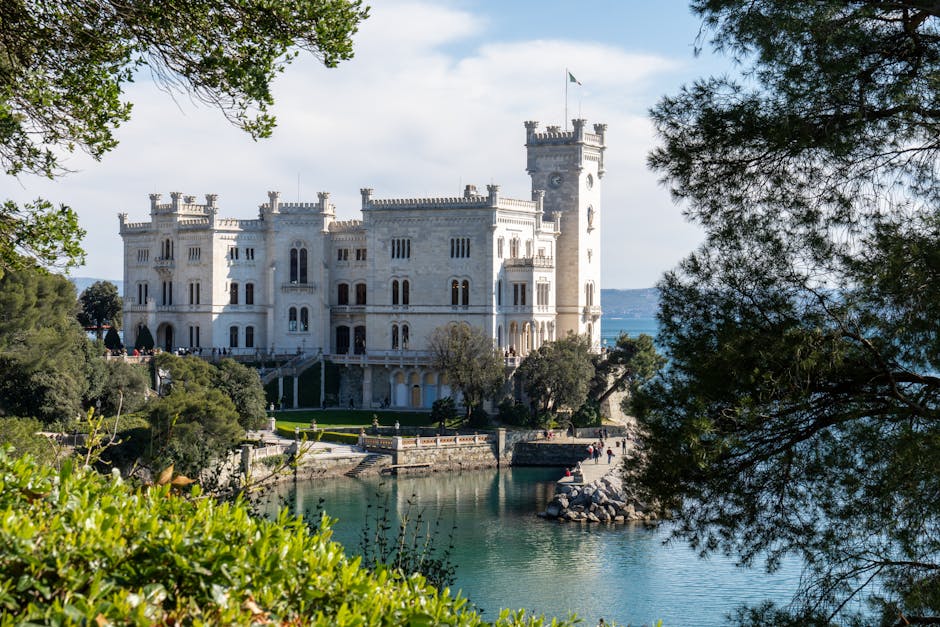
The park at Castello di Miramare is almost as famous as the castle itself. Designed alongside the residence, the park covers roughly 22 hectares and terraces down to the sea, blending Mediterranean species with exotic plants imported in the 19th century. Winding paths offer varied perspectives of the gulf and viewpoints arranged to enjoy the marine spectacle. Notable species include large Aleppo pines, magnolias, camellias, cedars and palms that create shifting landscape tableaux through the seasons.
Strolling the park is like following a sensory and color journey: in spring, blooms perfume the air; in summer, pine shade offers refuge from the heat; in autumn, colors transform; and winter reveals the structure of paths and sightlines. Small ponds, statues and benches facing the sea punctuate the walk. Areas closest to the shore are ideal for watching the swell, fishing boats and, occasionally, sailboats on the horizon.
Famous viewpoints: from the Terrazza del Castello at the front, you dominate the Gulf of Trieste; the Piccola Baia (small bay) and Spiaggia di Miramare provide a closer connection to the water; the rocky promontory to the right of the castle is perfect at sunset. Photographers will find exceptional compositions at sunrise, when low-angle light highlights the façades’ whiteness and the sea’s blue tones. During a bora wind the sea changes character and clouds can create dramatic skies — ideal conditions for striking images.
The park is generally free to access (except for some restricted areas or paid events) and features well-maintained paths. Families are welcome: strollers are possible on main routes, though some steep areas require caution. Respect signs protecting plant species and avoid picking flowers or branches. Dogs are allowed on a leash, but be mindful of local rules for certain protected zones.
Visiting Miramare: Address, Opening Hours, Prices and Practical Tips
Essential information:
– Full name: Castello di Miramare / Museo Storico e Museo del Castello di Miramare
– Address: Castello di Miramare, Viale Miramare 30, 34151 Trieste TS, Italy
– Access: from Trieste centro, about 8–10 km, easily reachable by car, train or bus.
Opening hours (indicative — check the official site before your visit):
– High season (1 April – 31 October): Castle open 9:00 – 19:30 (last admission 18:30). Park generally open 8:00 – 20:00.
– Low season (1 November – 31 March): Castle open 9:00 – 17:30 (last admission 16:30). Park hours follow daylight, often 8:00 – 17:00.
Museums may close on certain public holidays or for cultural events; consult the Autonomous Region of Friuli Venezia Giulia’s cultural site or the dedicated Italian heritage website for updates.
Prices (indicative):
– Castle / Museum entry (adults): about €10.00
– Reduced fare (EU youth 18–25, seniors, groups): around €7.00
– Children (under 18): often free or heavily discounted (bring ID)
– Family ticket (2 adults + 2 children): about €22.00
– Park: free (except for temporary paid exhibitions)
Guided tours and paid audio guides are available; ask at the ticket office. Prices may vary for temporary exhibitions.
How to get there:
– By car: from central Trieste follow Viale Miramare. Paid parking is available near the castle (Park Miramare / parcheggio) and a few free spots line nearby streets; in high season spaces are limited — aim to arrive early.
– By train: take the regional train from Trieste Centrale toward Monfalcone/Grado and get off at the « Miramare » station (~10–12 minutes). From the station it’s a 10–15 minute walk to the castle.
– By bus: Trieste’s local networks (ACTV and Trieste Trasporti) serve the area (e.g. bus no. 6, 6B seasonally). Check local routes and timetables.
– By bike: partial cycle paths exist; bring a lock — some park paths are suitable for slow cycling.
Local practical tips:
– Arrive early (9:00–10:00) to avoid the crowds and get the best light for photos.
– Wear comfortable shoes: the park includes paved areas and gravel paths.
– If you take the train, check return times so you don’t miss the last connection.
– Restaurants and cafés: there are cafés and small restaurants along Viale Miramare. For local cuisine try Antica Trattoria « Alla Vedova » (in Trieste center) or Ristorante « La Tavernetta » in Miramare — reserve in high season.
– Weather: the bora (northeast wind) can be cold and strong — bring a windproof jacket. In summer, sunscreen and a hat are recommended.
– Accessibility: the castle offers accessible routes but some historic rooms may have limitations; contact the museum for specific needs (elevator, assistance).
Click here to book your private Miramare Castle tour
Combine the Visit: Nearby Routes and Attractions around Trieste
Miramare is a great starting point to explore other Trieste gems. Here are suggestions to extend your day or plan a themed half-day along the coast and through history:
- Barcola (Lungomare di Barcola): the seaside promenade west of Trieste, perfect for a walk after Miramare; direct access by bus or car, 15–20 minutes.
- Castello di Duino (Duino Castle): an imposing castle about 12 km to the southwest, perched on cliffs. Address: Via Duino 14, 34011 Duino Aurisina (TS). Times and prices vary; allow 30–40 minutes by car from Miramare.
- Faro della Vittoria: the monumental Victory Lighthouse offering panoramic views; access via Viale Miramare / Riva del Mandracchio depending on entry, roughly a 15-minute drive.
- Trieste Historic Center: head back to town to visit Piazza Unità d’Italia, the Roman Theatre and Castello di San Giusto. Perfect for dinner in a local osteria.
Click here to book a kayaking adventure to Duino
If you plan a full day, start at the castle in the morning, have lunch at a seaside trattoria, and then follow the coast toward Duino to finish at sunset on the cliffs. For coastal hiking enthusiasts, trails connect Miramare to other stretches of the karst shoreline, offering scenic views and biodiversity.
Conclusion: Why Miramare Deserves a Deep Visit
Castello di Miramare is more than one of the most photographed landmarks near Trieste: it’s a site where the imprint of an imperial past, the Adriatic’s gentleness and harshness, and the poetry of terraced gardens converge. Its dual identity — intimate residence and museum object — makes it ideal for lovers of history, architecture, photography and coastal walks. The contrast between hushed interiors and wide sea views delivers a rich, varied experience that stimulates both mind and senses.
Visiting Miramare means taking time to observe: the details of a period armchair, the way light slides across a tapestry, the shape of a cloud over the gulf. It also means enjoying a generous park where you can stroll with family, find a sunny bench for an impromptu picnic, or wait for a blazing sunset. The practical information provided here — the exact address (Viale Miramare 30, 34151 Trieste TS), seasonal hours, indicative prices and access options by train or car — will help you plan the visit calmly.
Ultimately, Miramare deserves more than a quick stop: give it at least half a day, or a full day if you want to combine the castle with nearby spots (Barcola, Duino, Trieste’s historic center). Wear comfortable shoes, pack a jacket for the bora and make sure your camera battery is charged — the views change constantly and each hour brings a new emotion. Above all, respect the site and help preserve its heritage: don’t pick plants, stay within marked areas and, when possible, check at the ticket office for temporary exhibitions and guided tours that will deepen your understanding of this unique seaside castle.