





Introduction: The Unexpected Charms of Trieste’s Port
Located at Italy’s northeastern tip, bordering Slovenia, Trieste is a port city where history, an Austro-Hungarian legacy and Mediterranean vibes collide. The Port of Trieste isn’t just a tangle of cargo ships and cranes — it’s the beating heart of a city that has served as a gateway between Central Europe and the Mediterranean for centuries. This article dives into the secrets of Trieste’s port: its landmarks, museums, quays and the way imperial past and industrial modernity coexist in harmony.
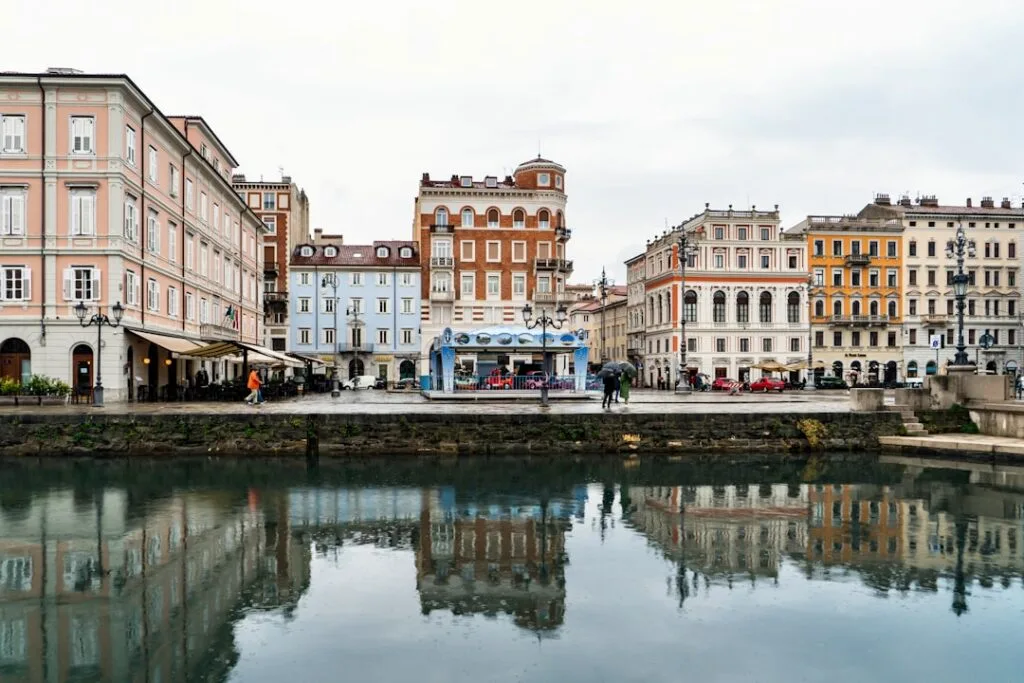
The port has shaped Trieste’s identity since the Austro-Hungarian era, when the city became one of the Adriatic’s main commercial harbors. Today, modern port infrastructure sits alongside historic sites: the Molo Audace, welcoming mega-yachts and strollers alike, faces the vast Piazza Unità d’Italia, lined with historic hotels and cafés. Rail tracks and repurposed warehouses recall the port’s role as a freight hub, while cultural tourism leans on an impressive heritage — castles, theatres, museums and religious buildings overlooking the sea. This mix gives Trieste a distinctive atmosphere that’s both cosmopolitan and maritime.
In this introduction we’ll set the stage for an immersive visit: where the key sites are, how much the main tickets cost, practical opening times, and how to make the most of a day at the port — whether you’re in transit or staying longer. We’ll highlight specific names like Piazza Unità d’Italia (Piazza Unità d’Italia, 34121 Trieste TS), Castello di Miramare (Viale Miramare, 1, 34151 Trieste TS), Molo Audace (Molo Audace, 34121 Trieste) and the Cattedrale di San Giusto (Largo Papa Giovanni XXIII, 1, 34121 Trieste). For each site you’ll find practical tips: entrance fees in euros, seasonal opening hours, local tricks to avoid queues and parking hassles, and anecdotes that bring the places to life.
Finally, we’ll cover the port’s contemporary transformation: container yards, cruise terminals and the rehabilitation of industrial wastelands into cultural spaces. Entrepreneurs and curious visitors will learn how Trieste now attracts maritime start-ups, international carriers and travelers seeking authenticity. Prepare for a walk that starts on the bustling quays and finishes on the heights above Castello di Miramare, stopping by cafés where James Joyce might have paused. The Port of Trieste awaits — between history and modernity, with treasures along every quay.
 Click here to book your ticket for Miramare Castle & Museum
History and Development of the Port: From the Habsburgs to the Present Day
The rise of Trieste’s port stems from its free-port status granted by the Austrian emperor in the 18th century. From that moment on the quays expanded, warehouses were built and sea routes connected Trieste to Europe’s major trading centers. You can read this history all over the city: neoclassical façades on Piazza Unità d’Italia (Piazza Unità d’Italia, 34121 Trieste TS), former administrative buildings and Porto Vecchio warehouses that have been reclaimed and sometimes converted into cultural venues.
A key landmark in this evolution is the Molo Audace (Molo Audace, 34121 Trieste). Built at the end of the 19th century, it quickly became the passenger landing and the welcoming point for official ships. Today the Molo Audace is used as much for leisurely strolls as for port ceremonies; it’s an excellent vantage point to observe the mix of coastal shipping and cruise traffic. Nearby are the Arco di Riccardo and the remains of the Roman Theatre (Via del Teatro Romano, 2, 34121 Trieste), reminders of the ancient Roman presence on the site.
Castello di Miramare (Viale Miramare, 1, 34151 Trieste TS) exemplifies the relationship between power and the sea: built for Archduke Ferdinand Maximilian of Austria, the castle looks out over the Adriatic from a cliff and embodies a 19th century where prestige and trade met. Industrialization in the 19th and 20th centuries then added large port infrastructures for bulk goods and containers, permanently changing the skyline with cranes and silos, while urban life densified along the waterfront.
On a political and social level, the port was also a place of emigration and cultural exchange: thousands of travelers and commodities passed through Trieste, contributing to a multiethnic, multilingual population. The coexistence of Austro-Hungarian, Italian and Slovenian architectures reflects this complex past. For the visitor, understanding the port means reading a layered history where each quay holds its own memory — from cafés where merchants and sailors negotiated to warehouses now hosting exhibitions and restaurants.
Click here to book your ticket for Miramare Castle & Museum
Architecture, Monuments and Must-See Museums Around the Port
Trieste’s port triangle is surrounded by an impressive concentration of monuments and museums within walking distance. Start at Piazza Unità d’Italia (Piazza Unità d’Italia, 34121 Trieste TS), the large square facing the sea. Dominated by the Palazzo del Municipio (Municipal Building) and the Palazzo del Governo, the piazza is open 24/7 and serves as the nerve center for events. It’s also a great meeting point for guided tours and cruise departures.
Just a short walk away, Museo Revoltella (Via Diaz, 27, 34121 Trieste TS) is the municipal gallery of modern art dedicated to collector Baron Pasquale Revoltella. Hours: generally Tuesday to Sunday 10:00–18:00 (closed Monday). Fees: around €7.00 for adults, with reductions for students and seniors (indicative prices). The museum offers an immersive experience with permanent collections and temporary exhibitions, and its terrace provides a view over the bay and port.
Don’t miss the Cattedrale di San Giusto (Largo Papa Giovanni XXIII, 1, 34121 Trieste TS), located on the San Giusto hill. Opening hours: roughly 08:00–19:00 daily, free entry but chapel visits may be charged in season (suggested donation €2–3 for maintenance). The cathedral, with its mosaics and crypt, connects to Castello di San Giusto which offers a panorama over the port and the city.
For an archaeological immersion, the Roman Theatre (Via del Teatro Romano, 2, 34121 Trieste TS) is free and accessible year-round; it offers a surprising setting at the foot of the castle hill. Finally, if you want insight into maritime life, check local listings for temporary exhibitions at the Museo del Mare, and stroll along the Molo Audace and Porto Vecchio to see modern transformations into public spaces.
The Port Today: Economic Activity, Terminals and Practical Visitor Info
The Port of Trieste is today a major infrastructure for maritime trade in the Adriatic. Porto di Trieste (official address: Porto Vecchio / Molo dei Bersaglieri area, 34124 Trieste TS) includes several terminals: container terminals, a roll-on/roll-off (ro-ro) terminal, bulk terminals and a cruise area. International logistics companies operate year-round here, and the port is linked by rail to European lines, strengthening its role as a logistics hub.
For visitors, it’s important to distinguish public-access areas from restricted industrial zones. The historic quays — Molo Audace (Molo Audace, 34121 Trieste) and Porto Vecchio — are perfect for wandering, taking photos and watching maritime activity. Modern terminals (e.g. Terminal Containers Trieste, Zona industriale Porto, 34124 Trieste) are generally closed to the public for safety reasons, but organized excursions and official viewpoints exist where you can watch cranes and loading operations.
Practical info and prices: if you arrive by ferry, local and international operators like Trieste Lines offer seasonal connections; check the Infopoint Porto Vecchio (address: Molo Bersaglieri area) for schedules and fares. Main parking areas around the port include Parcheggio Stazione Marittima (Piazza della Borsa / near Molo Audace) with daily rates ranging from €6.00 to €20.00 depending on duration. For cruise passengers, embarkation/disembarkation often takes place at the Stazione Marittima (PalaStampa area); allow extra time for formalities and transfers to the city center (taxi ≈ €12–20, tram/bus ≈ €1.30–€2.00).
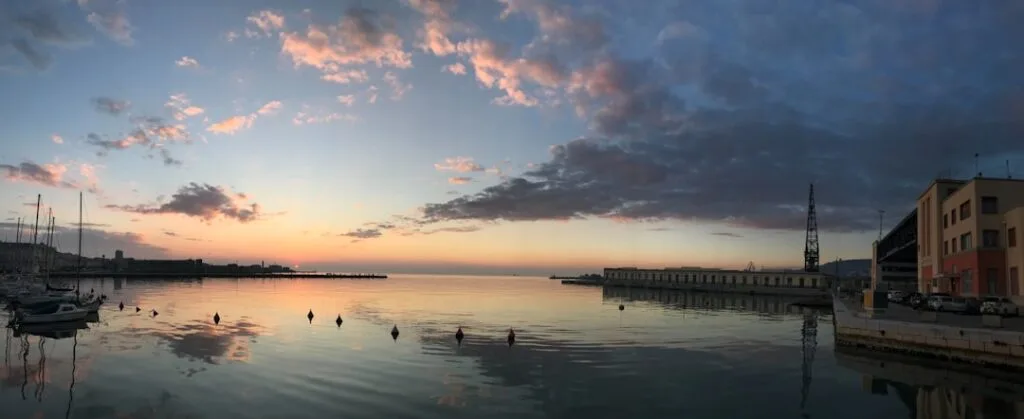
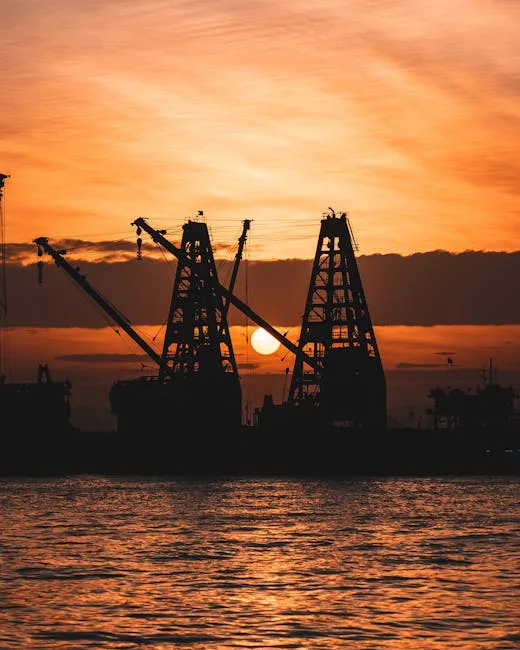
Safety and visiting tips: wear comfortable shoes for walking the quays and climbing up to Castello di Miramare; bring a windbreaker because the bora can be strong, especially in winter. For the best photos of the port, favor the golden hours of early morning and sunset, when light highlights the silhouettes of cranes and seafront façades. Also look into guided port tours offered by APT di Trieste (Azienda per il Turismo); they provide professional insight into the facilities without exposing visitors to restricted areas.
Practical Tips for Visiting Trieste and Enjoying the Port
Where to stay: to be close to the port, favor hotels around Piazza Unità d’Italia and the seafront. Notable options: Grand Hotel Duchi d’Aosta (Piazza Unità d’Italia, 2, 34121 Trieste TS) for a central seafront location; prices vary by season, expect €90–220 per night. For budget travelers, B&Bs and guesthouses in the Borgo Teresiano neighborhood offer rooms from around €50.
Getting around: Trieste is well connected by train (Stazione di Trieste Centrale, Piazza della Libertà, 34133 Trieste TS) and by Trieste – Friuli Venezia Giulia Airport (Aeroporto Friuli Venezia Giulia, Via Aquileia, 34100 Ronchi dei Legionari), about 30 km away. The urban bus network (ACTV/Trenitalia local services) quickly reaches the port; a city ticket ≈ €1.30 (valid 75 minutes). To travel between the port, historic center and Miramare, buses 6/36/38 are frequent; check local timetables on the Trieste Trasporti website.
Food: try local port specialties such as brodetto alla triestina (fish stew) at restaurants like Ristorante Al Bagatto (Viale Miramare area) or Trattoria Nerodiseppia (near Porto Vecchio). A full meal typically costs from €18 to €45 depending on the venue. For a historic coffee, stop at Caffè San Marco (Via Cesare Battisti, 18, 34132 Trieste TS) — a literary institution where an espresso often ranges between €1.20 and €2.50 depending on where you sit.
Tickets and passes: if you plan to visit several museums, look into the Trieste Card or local tourist cards: they may include entry to Museo Revoltella, access to Casa della Musica and discounts for certain sites. Also consider buying tickets online for Castello di Miramare (adult entry roughly €9.00; summer hours 09:00–19:00, winter hours 09:00–17:00) to avoid queues in high season.
Click here to book your ticket for Miramare Castle & Museum
Local tip: the bora, that characteristic wind, can turn a calm day at sea into a rough one. Check weather forecasts and dress accordingly. Finally, respect loading zones and signs such as « Área portuale – accesso consentito solo al personale autorizzato »: port operators enforce rules strictly for safety reasons.
Conclusion: Between Memory and Renewal — Discovering the Port of Trieste
The Port of Trieste invites you to read history in the open air: between the imperial façades of Piazza Unità d’Italia and the industrial silhouettes of the terminals, the city tells centuries of trade, emigration, culture and innovation. Each quay has its own story — from Molo Audace, a place for strolls and landings, to Castello di Miramare watching over the sea, and museums like Museo Revoltella or the remains of the Roman Theatre, which offer successive perspectives on time and space.
This guide provides precise addresses (Piazza Unità d’Italia, 34121 Trieste TS; Castello di Miramare, Viale Miramare, 1, 34151 Trieste TS; Museo Revoltella, Via Diaz, 27, 34121 Trieste TS; Teatro Romano, Via del Teatro Romano, 2, 34121 Trieste TS; Cattedrale di San Giusto, Largo Papa Giovanni XXIII, 1, 34121 Trieste TS), plus price and opening time pointers to plan your visits: museum entries, parking and transport. By following local rules (closed port areas, wind forecasts, cruise formalities), you’ll be able to fully enjoy the meeting of heritage and modern activity that makes Trieste unique.
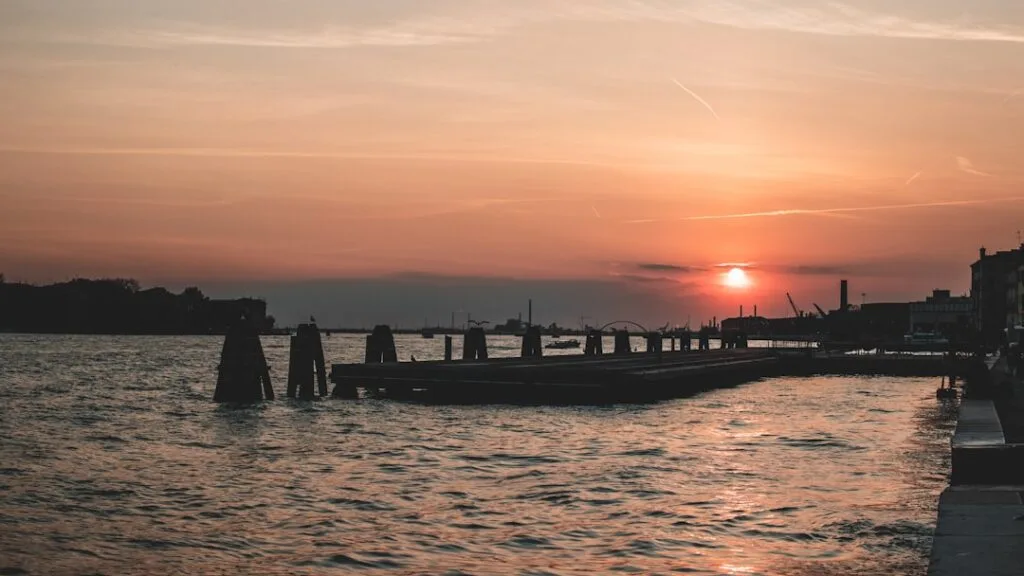
Finally, give yourself time to wander: a coffee on the seafront, a sunset walk along Molo Audace, a climb up to Cattedrale di San Giusto to admire the view over the ships and the city. The real wealth of Trieste is discovered on foot, by noticing the small details — a volunteer opening a tiny chapel, a restaurant terrace still smelling of fish, a warehouse converted into a gallery. The port is a living stage where past and present constantly talk to each other. Whether you’re a history buff, a maritime professional or a curious traveler, Trieste and its port hold surprises and memorable moments at every turn.